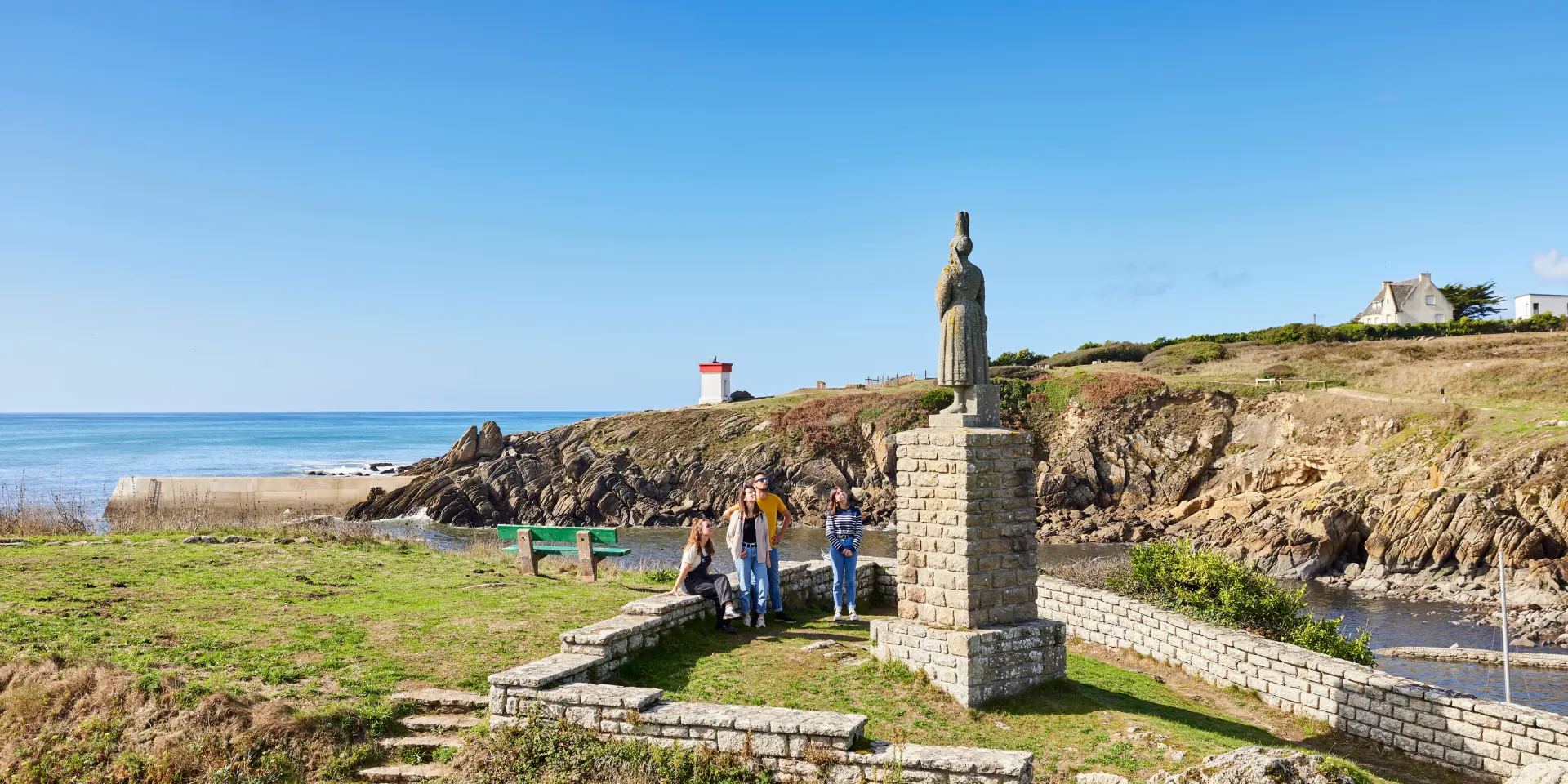
Statue of the Bigoudène woman at Pors PoulhanStatue of the Bigoudène woman at Pors Poulhan
©Statue of the Bigoudène woman at Pors Poulhan|A. Lamoureux

Small heritage remarkable

When we talk about remarkable small heritage, it is above all remarkable! This refers to elements, built or natural, that tell us about past religious, agricultural or craft practices.

Statue of the Bigoudène in Pors-Poulhan

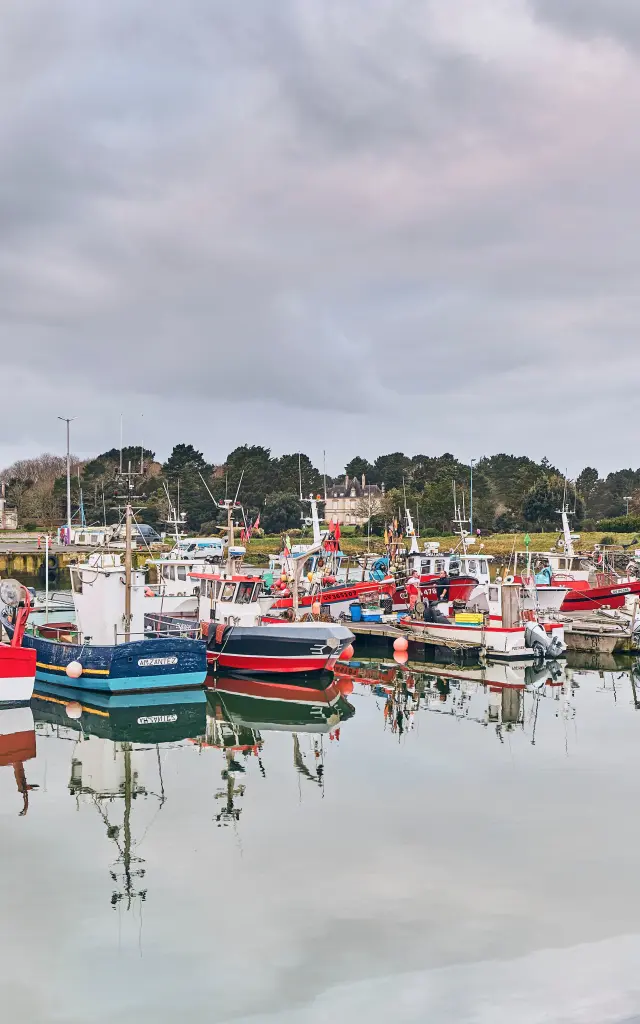
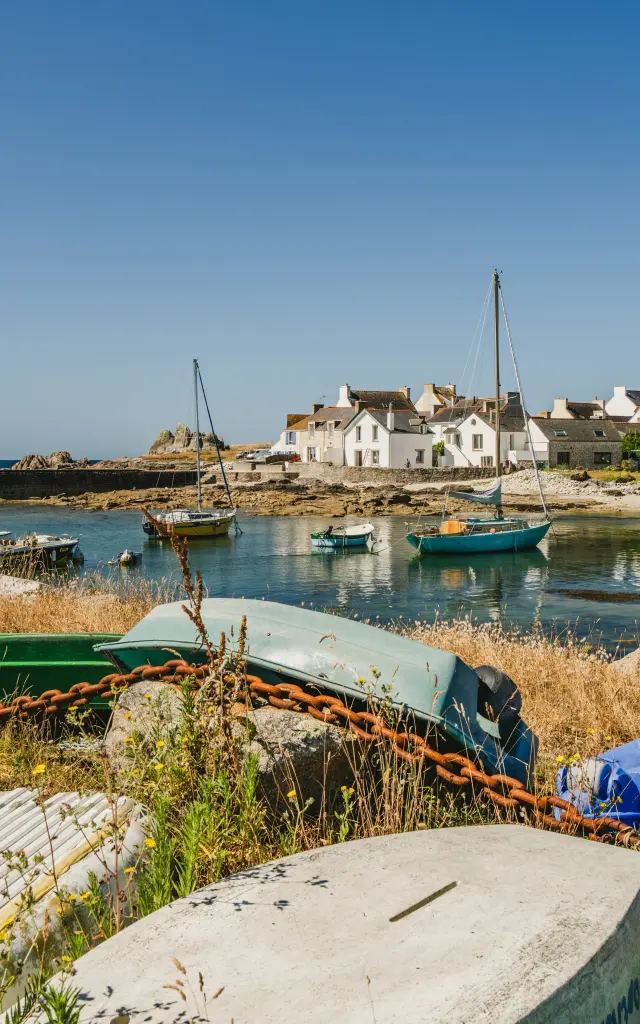
The border between Cap-Sizun and PaysBigouden is found at the sheltered port of Pors-Poulhan.

On the southern shore stands a statue of a Bigouden woman gazing out to sea. This work was sculpted in 1938 in Plozévet, in a public school classroom converted into a studio, by the famous local artist René Quillivic from Plouhinec, who also sculpted the statue of the bellringers in Plozévet.

Its base reads Ama echu bro Bigouden, a Breton inscription meaning ‘Here ends Bigouden country’.
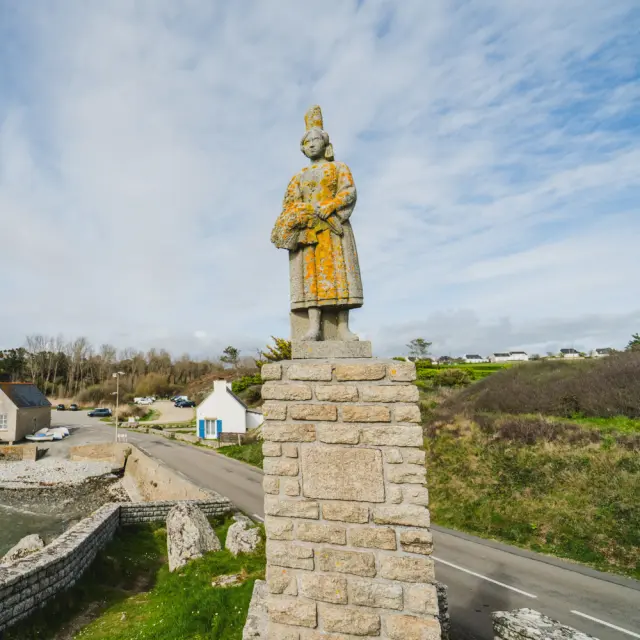
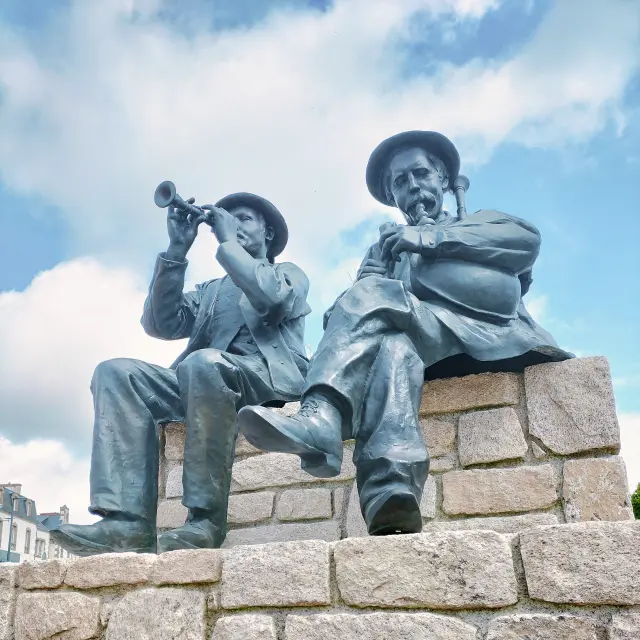
Statue of the musicians in Plozévet

This work by sculptor René Quillivic was created in 1908 as a tribute to the many musicians in Plozévet.

In spring 2024, the iconic statue of the musicians was once again moved to the Place Henri Normant in Plozévet, opposite the Tourist Office.

To mark the occasion, the bronze statue was cleaned and given a patina.

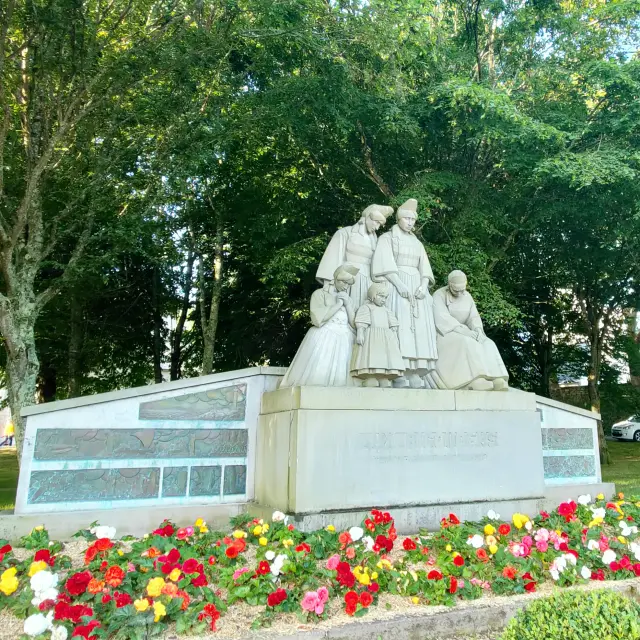
Monument to the Bigoudens in Pont-l'Abbé

The monument to the Bigoudens was created in 1931 by granite-and-bronze sculptor François Bazin. It depicts Bigouden women at the five ages of life: grandmother, mother, sister, young daughter and granddaughter.

There are no men in this sculpture. The anguish of waiting is clear to see, and sadness and resignation clearly visible on the faces of these five women.

On either side of the granite block, two bronze bas-reliefs depict scenes from Celtic mythology.

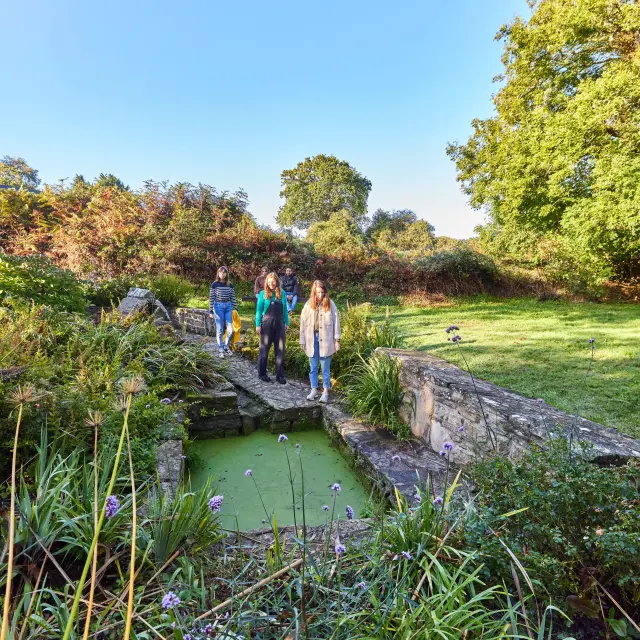
The wash-houses

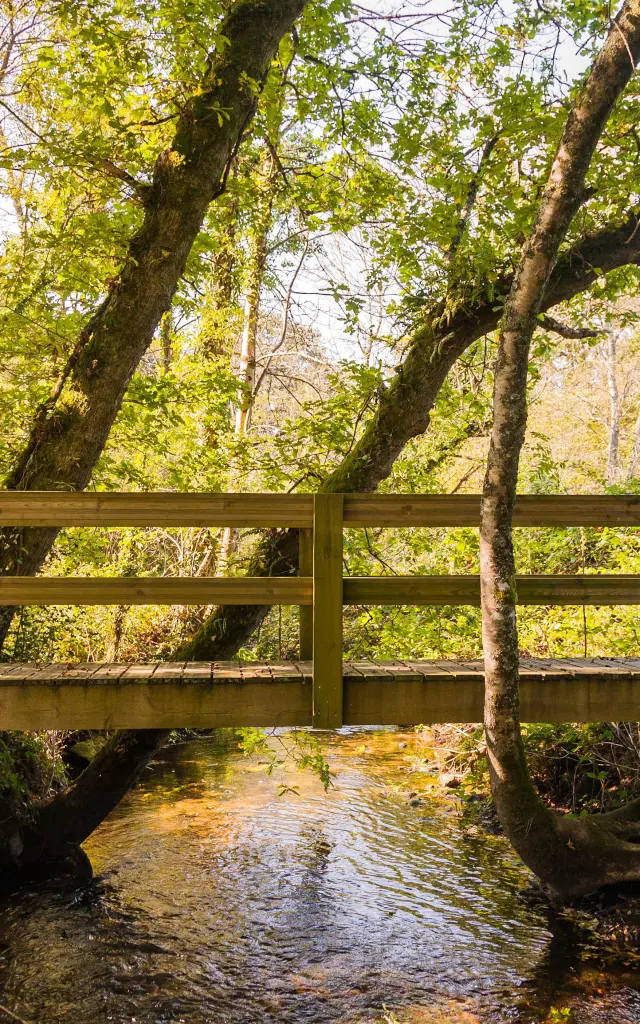
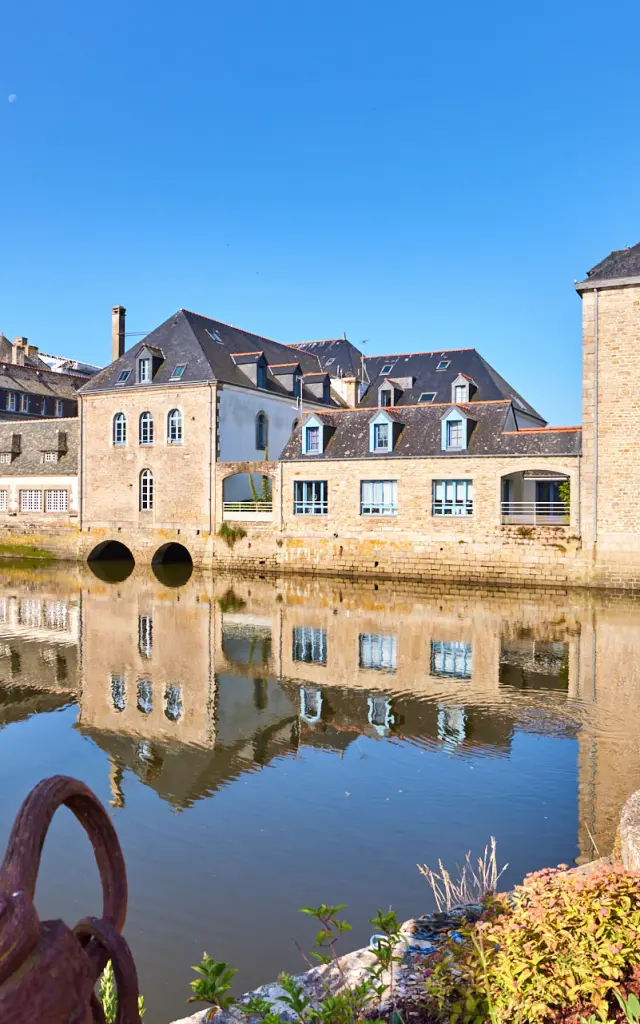
Traditional wash-houses tell the story of past customs and are part of what is known as vernacular heritage, in other words the heritage that relates to the customs of the time rather than religion.

There are many charming wash-houses throughout the region, and you can enjoy seeing them along a footpath . They are generally very well maintained by a group of heritage lovers andlocal clubs. They leave us dreaming of the life our ancestors led at a time when there was no running water in the home.

Wash-houses have nothing to do with fountains, which are associated with religious worship.

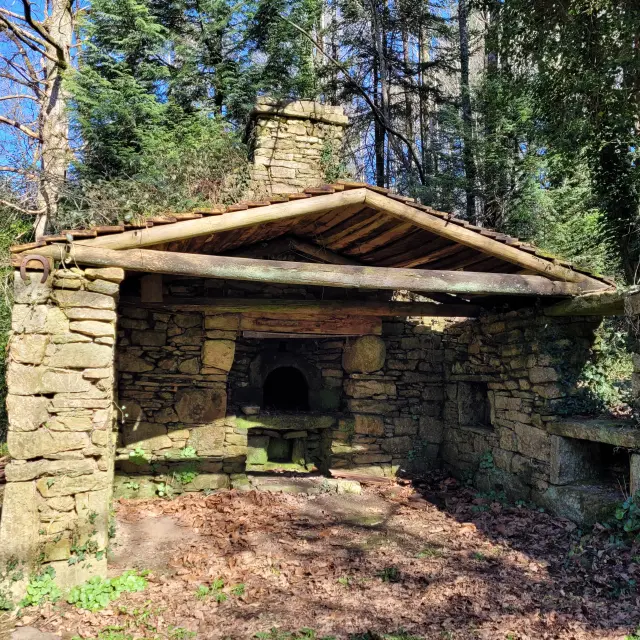
Bread ovens

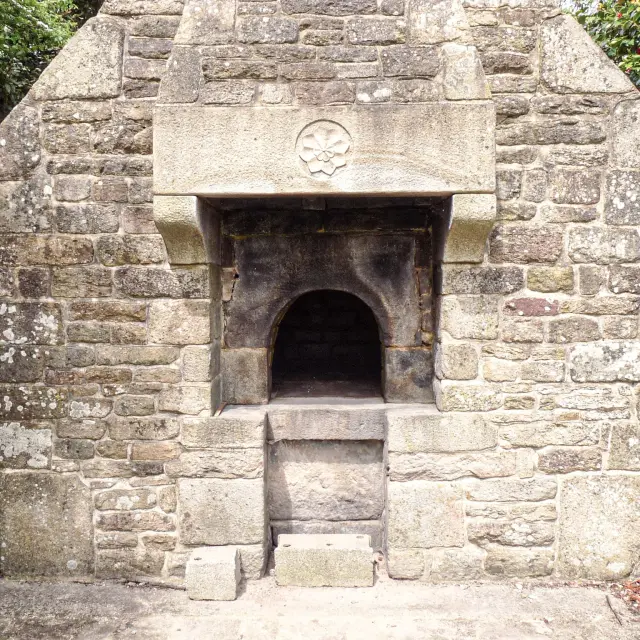
Bread ovens are often made of granite and feature a dome of cut stone. They usually have an arched opening above a granite floor.

The bread oven next to the Saint-Germain chapel in Plogastel-Saint-Germain has been restored, and events are held there every summer.

The bread ovens are not to be confused with the fours à goémon, long trenches in the ground that you will find along the coast. In these ground-level fire-pits, locals used to burn seaweed in the 1800s, to produce soda bread.