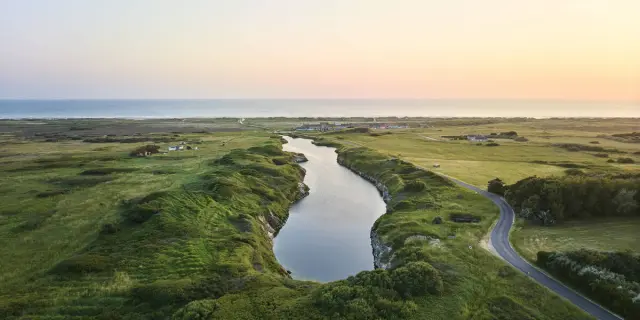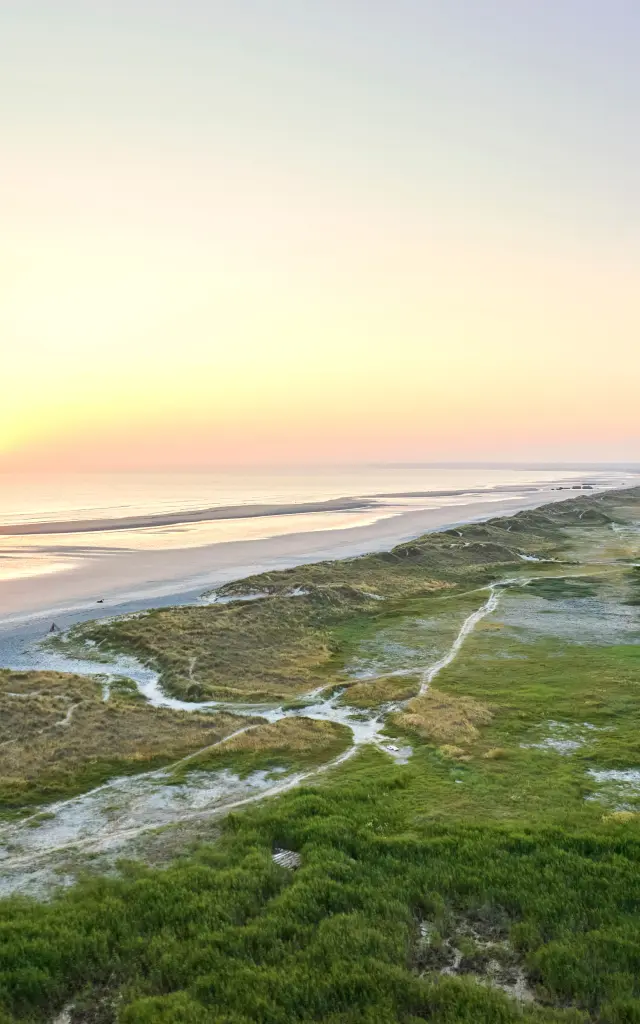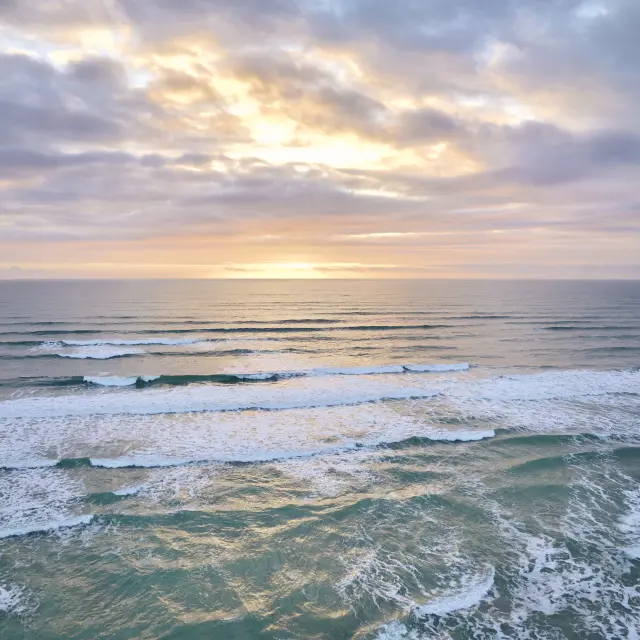
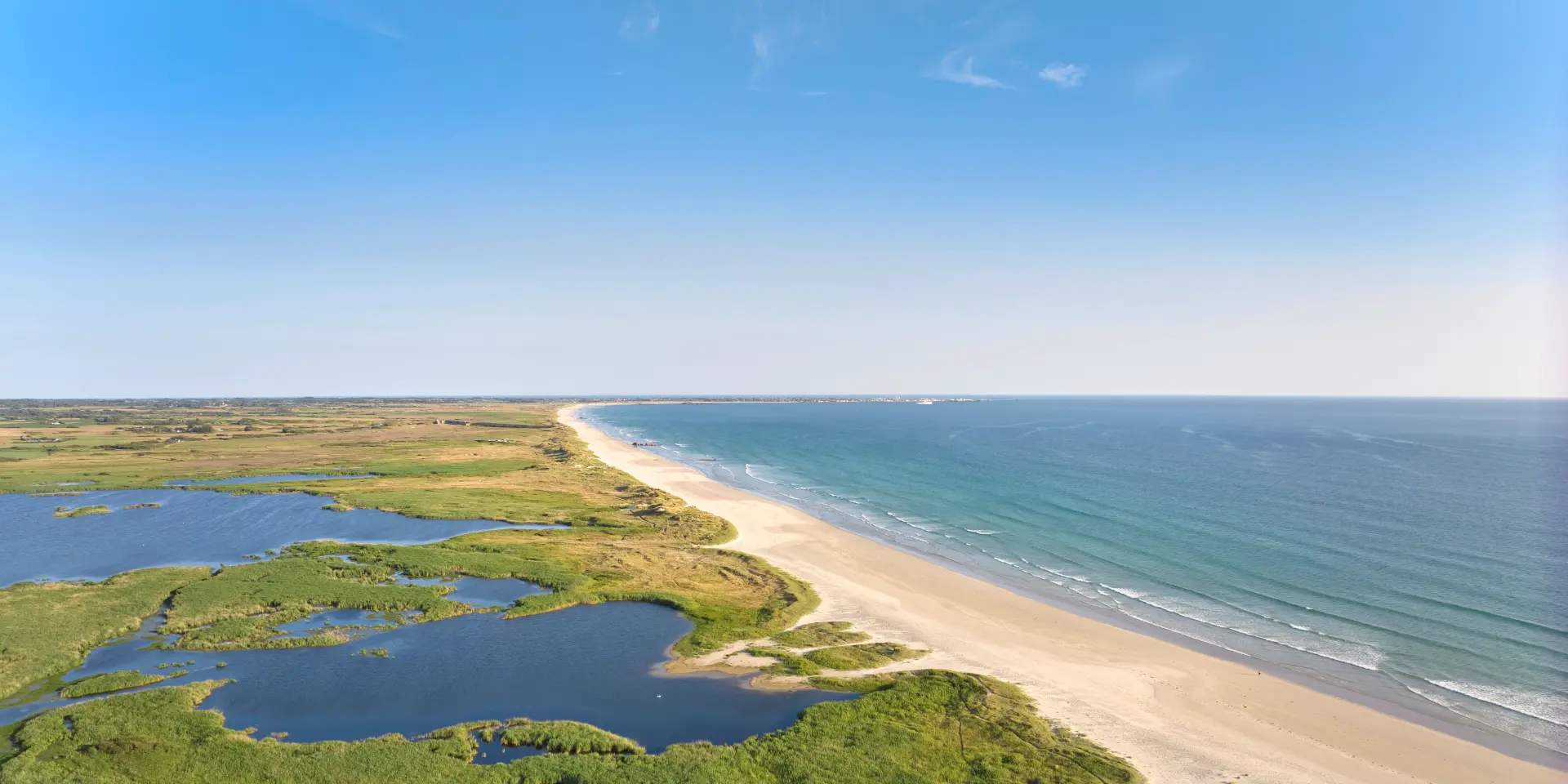
View of Audierne BayView of Audierne Bay
©View of Audierne Bay|A. Lamoureux

Protecting nature Through an eco-responsible approach

Our natural heritage is a jewel that must be preserved. The ocean, beaches, marshes and wetlands are the wealth of the Bigouden region. Well aware that these exceptional environments are fragile ecosystems, our local authorities have chosen to regulate their use and place certain areas within a special legal framework, to better preserve them for future generations.

Audierne Bay A supersize nest

In the face of urbanisation, unbroken stretches of wilderness are becoming increasingly rare and precious.

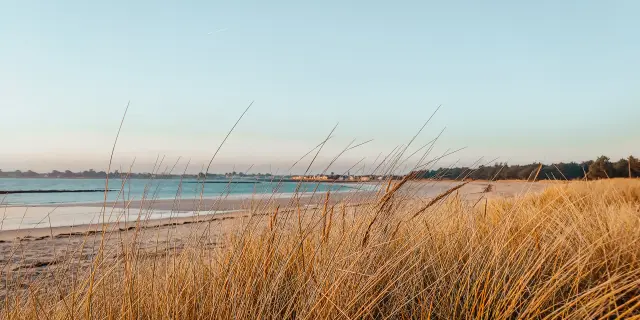
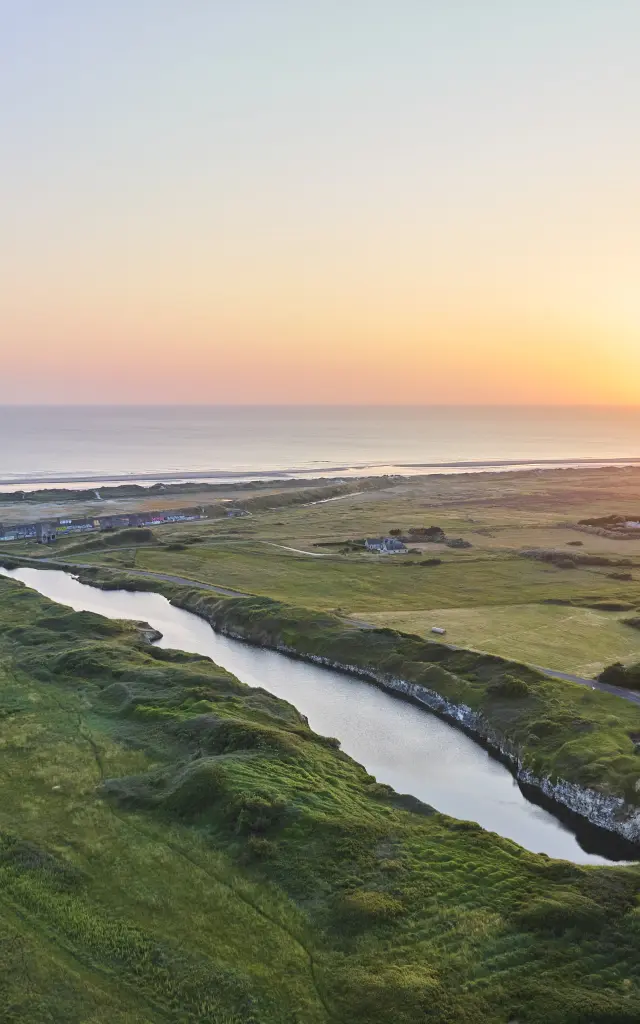
Between Penmarc’h and Audierne, 40 km of beaches and ponds intermingle to form a unique ecosystem, where the dunes, pebble beaches and the natural water reservoirs are absolutely vital. Audierne Bay is also home to the largest natural ponds in Finistère: Kergalan and Trunvel, which together cover an area of around 1.7 km².

The alternating dry and wet environments encourages biodiversity. Fauna and flora benefit from this, including a large community of winged travellers.

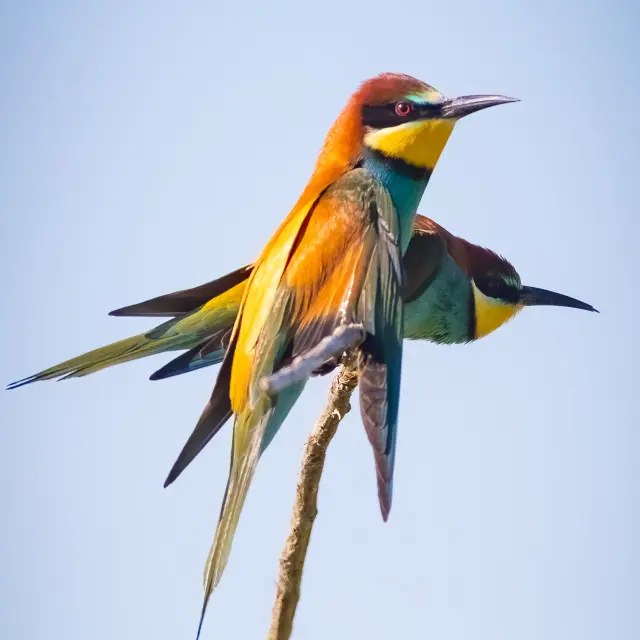
Migratory birds include the golden plover, which rests in the dunes from October to February before heading back to Antarctica, the tern, whose distinctive call resounds in spring, and the European bee-eater, with its exceptional plumage. Finally, the long-necked gravelot, famous for its fragility, nests at the top of the beach in spring, where its eggs blend in with the sand and pebbles so must be protected.

Benjamin Buisson - Head of Coastline and Biodiversity - CCPBSBenjamin Buisson - Head of Coastline and Biodiversity - CCPBS
©Benjamin Buisson - Head of Coastline and Biodiversity - CCPBS

Audierne Bay is a little paradise where birds nest in peace. They come here from Africa, the Nordic countries and elsewhere to find relative peace and quiet, but above all to rest.

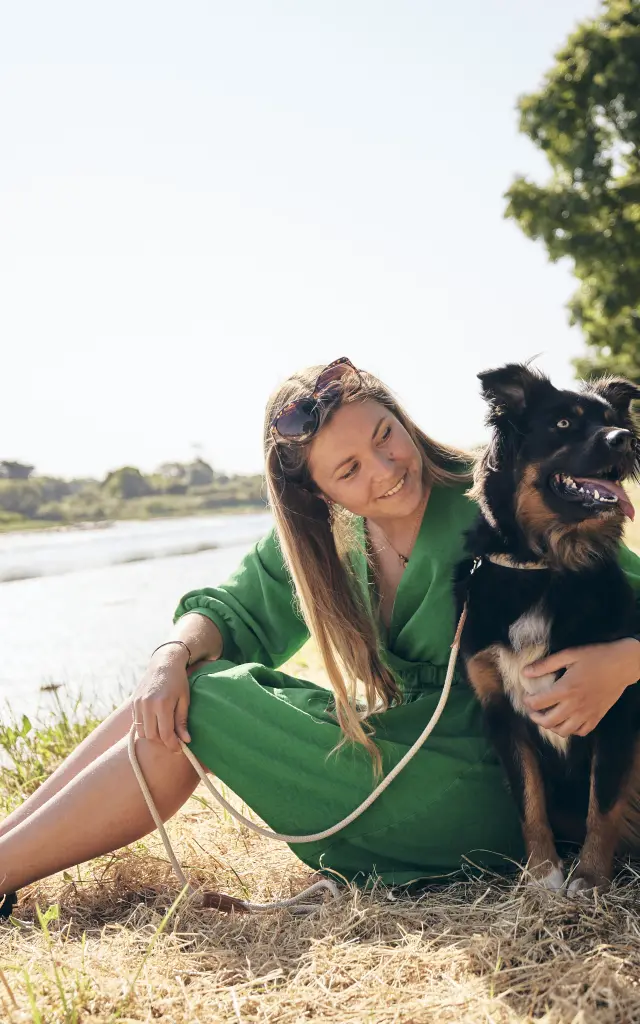
The importance of this phase is underestimated: the birds are fighting the cold, needing to feed and prepare for their future journey before mating. This explains why it’s so important to avoid disturbing them, by keeping your dog on a lead on the beach, for example.

Benjamin Buisson, Head of the Coastline and Biodiversity Unit, Pays Bigouden Sud Council

Regional nature reserve And other labels

This area belongs to the French Coastal Preservation Society and is managed by the Pays Bigouden Sud county coucil and the Haut Pays Bigouden county council. It is also protected by a number of labels.

Firstly, since 2021, the Ramsar label recognises the ecological interest of the 530 hectares of wetlands in Audierne Bay.

It is also a Natura 2000 zone, a European distinction that gives certain sites a high heritage value because of the flora and fauna that live there.

Finally, it is also covered by a Regional Nature Reserve Project. The communities of Bigouden communes have launched a classification process that will encompass the Bigouden dunes and paluds. The aim is to provide strong protection for natural areas in order to better preserve this exceptional site and improve knowledge of its biodiversity.

The traveller's charter To raise awareness among residents and visitors

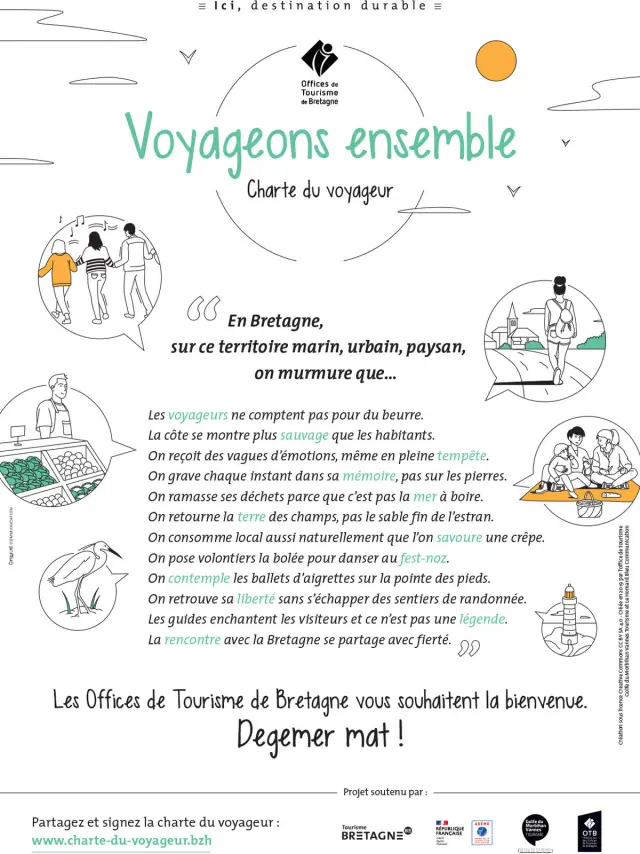
The Traveller’s Charter sets out 12 commandments to promote slow tourism, in other words the art of travelling while taking one’s time, fully immersing oneself in nature and the richness of one’s heritage.

The charter, which has been extended to the regional level, has been adopted by a network of 60 tourist offices in Brittany.

  • Read the charter and discover 12 ideas for responsible travel.
  • Sign the charter online and when you travel in Brittany, you’re doing something sustainable for a preserved area. Sign here
  • Share the charter and make a commitment to responsible tourism alongside Brittany.

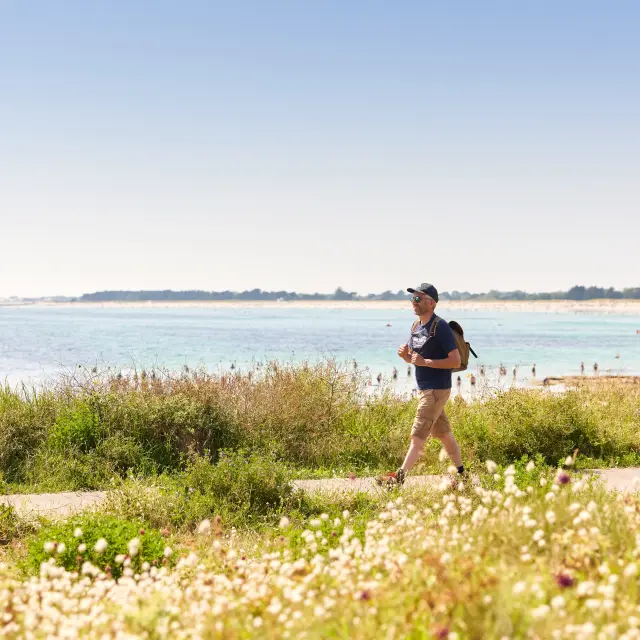
Protecting the sites when you're walking

Here are a few things you can do:

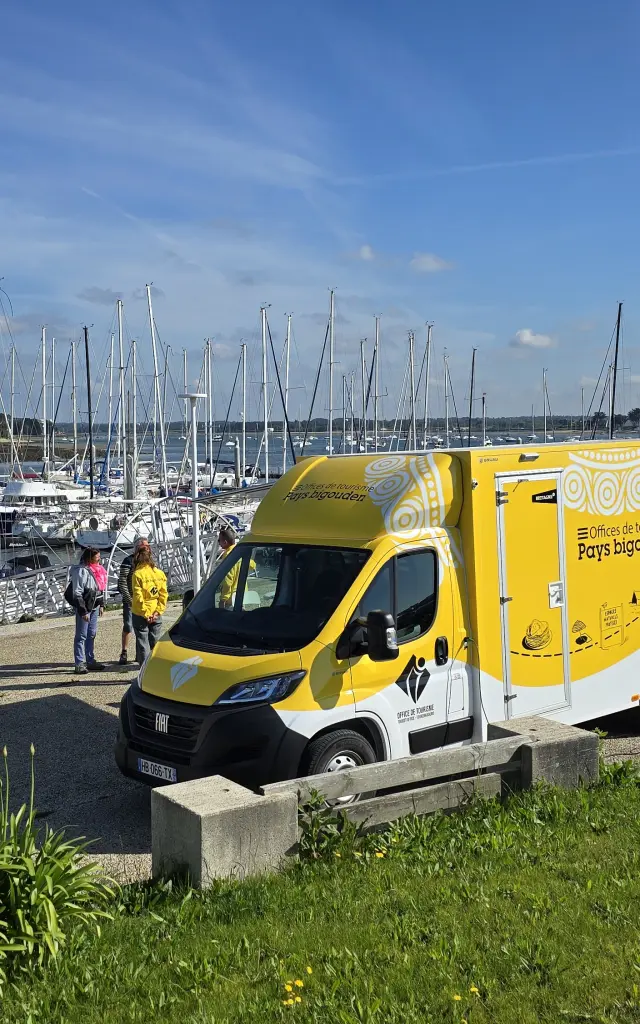
  • Avoid plastic bottles and keep your water bottle handy when out walking! The staff at our tourist offices will be happy to fill them up for you, if you need them.
  • Don’t pick or take anything with you! Leave the pebbles in place to maintain the dune and take photos of the flowers rather than picking them.
  • When taking a short break, make sure there’s no rubbish left behind.
  • Use non-motorised and shared transportto get around as much as possible.
  • Protect the gravelot birds. Be careful and vigilant when you walk along the beach and the dunes. The gravelot’s eggs are hardly visible, so watch out for them!
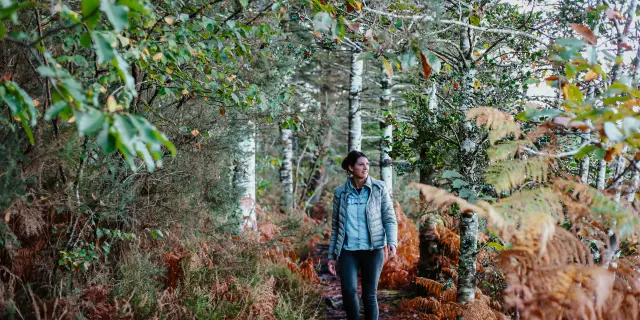
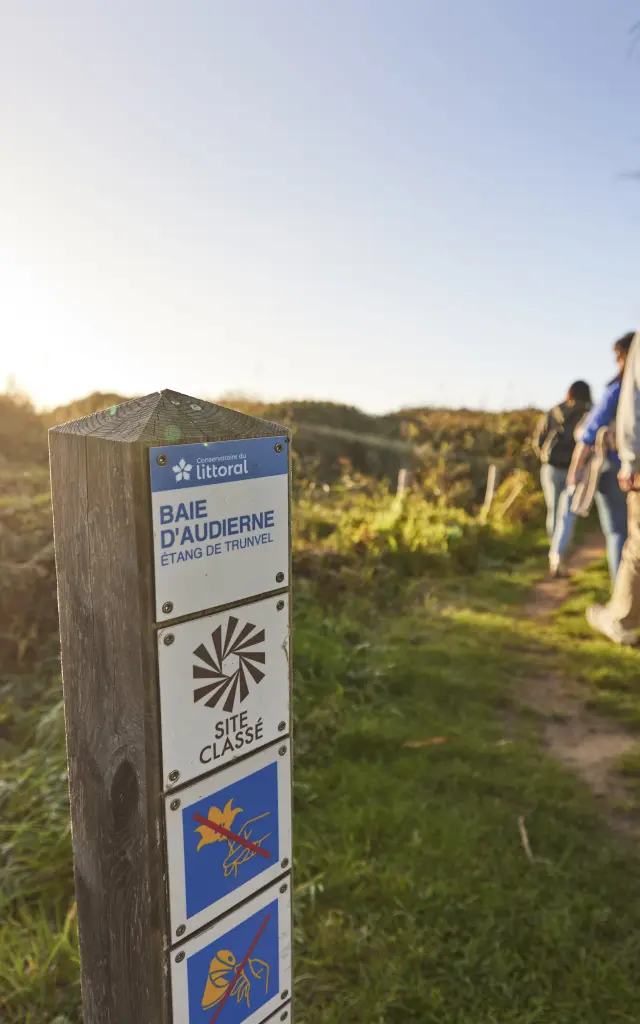
  • Follow the signs and stay on the paths.
  • To appreciate the beauty of our landscapes, avoid visiting sites at peak times.
  • For health reasons and to protect the flora and fauna, dogs are not allowed on the beaches of Pays Bigouden during summer (even on a lead) except at Penmarc’h from 8pm to 10am.
  • Protect your favourite Bigouden spots by not sharing them on social networks. Indicating the location of a spot on social networks may seem harmless, but it can have major repercussions, such as increased visitor numbers and an impact on the environment.