Tourelle des Perdrix - LoctudyTourelle des Perdrix - Loctudy
©Tourelle des Perdrix - Loctudy |A. Charlot

Lighthouses and beacons

Day and night, lighthouses and beacons keep a 360° watch over us. Turrets, landmarks, buoys or lighthouses, they all have their own personality and function in maritime signalling.

Partridge Turret in Loctudy and Île-Tudy

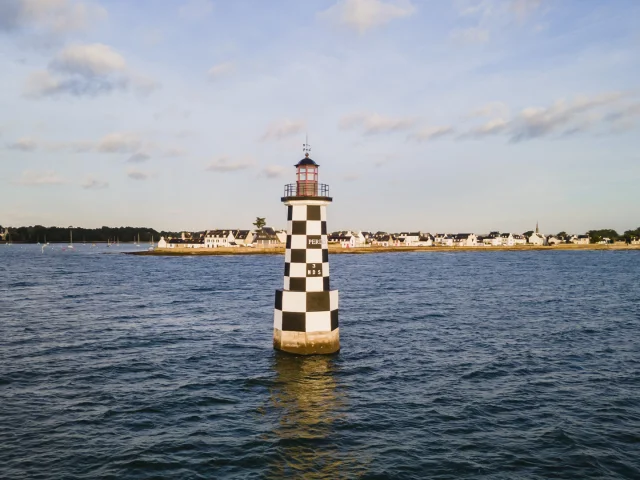
A visual symbol of Loctudy andÎle-Tudy, the Perdrix turret is located at sea at the entrance to the fishing port of Loctudy and at the entrance to the river at Pont-l’Abbé. It was built here to mark a dangerous rock for ships.

At first, it was a simple wooden mast in 1872, then a beacon with a light in 1886. The current 17.40 m turret was erected in 1889.

Initially painted red, it was covered in its famous 64 black and white chequered pattern in 1947. Today, it no longer serves any practical purpose for navigation, having been replaced in 2000 by red and green buoys, but it has been preserved thanks to the determination of the two municipalities concerned.
Sainte-Marine lighthouse

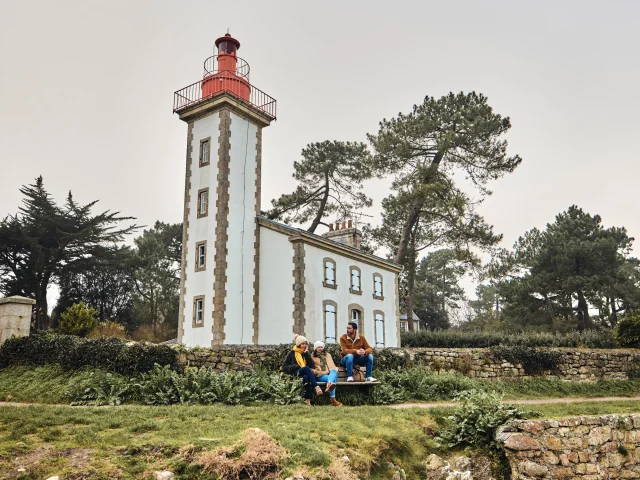
The Sainte-Marine lighthouse stands on the tip of Combrit next to the fort. It is located at the mouth of theOdet river, just opposite the port of Bénodet.

The lighthouse was built in 1885: a fixed white light on a square tower at the gable end of the main building, 13.20 m high, by César Maubrat, a contractor from Pont-l’Abbé.

The lighthouse was electrified in 1943, then damaged by German troops on 10 August 1944.
Together with the light from the Bénodet lighthouse, it forms a line of sight to the north, allowing you to reach the harbour in front of Bénodet.

Guilvinec lighthouse

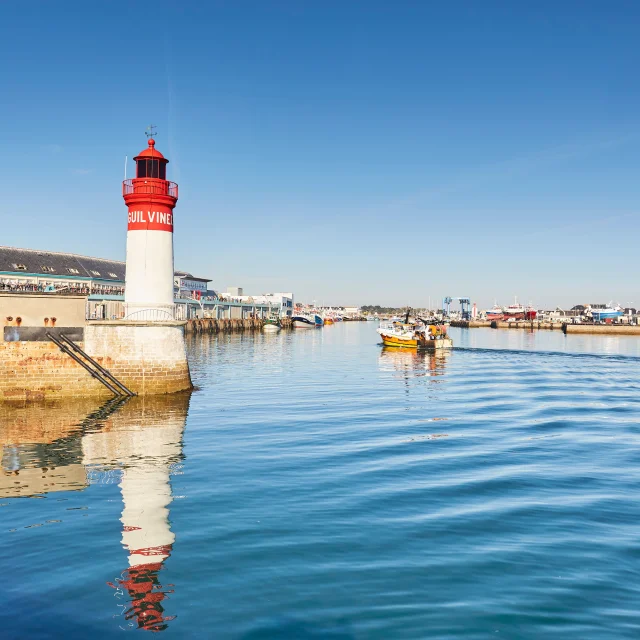
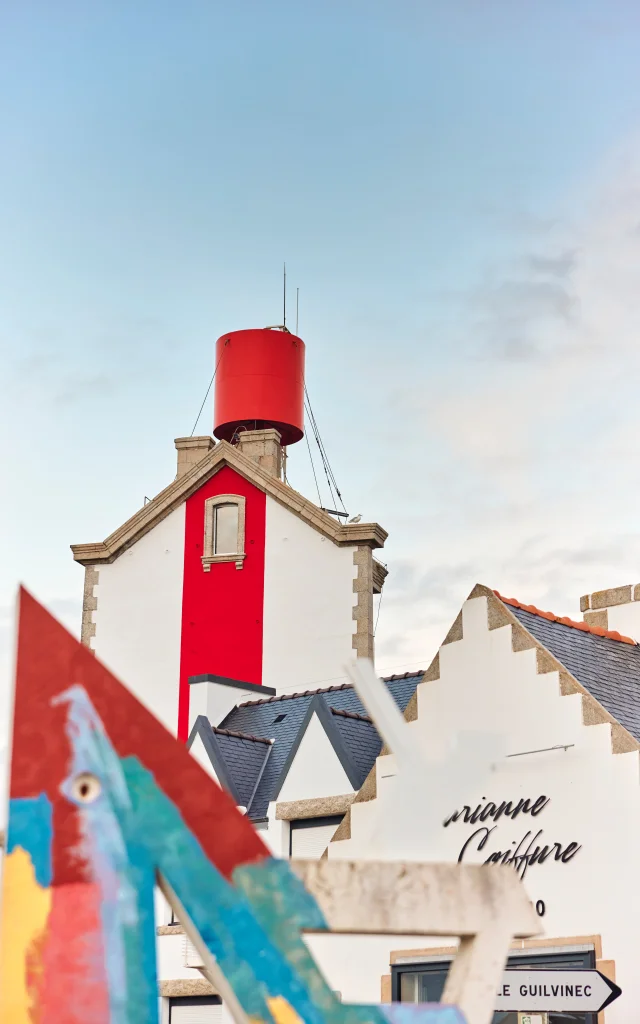
Every day, this brightly coloured lighthouse witnesses the return of the coastal trawlers and the landing of the fresh catch.

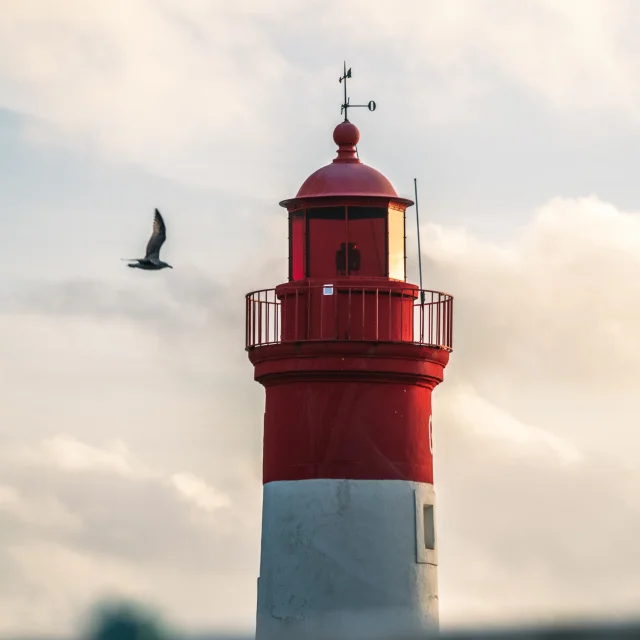
The Guilvinec lighthouse is also known as the North pier lighthouse. It is a red and white harbour lighthouse built in 1922.

It has been illuminating and protecting theentrance to the port of Guilvinec and its breakwater since 17 March 1923.

If you follow the quay and climb a few steps, you can reach its small balcony on the ground. Standing behind the balustrade, you can wave to the fishermen returning to port in the late afternoon.

Langoz lighthouse in Loctudy

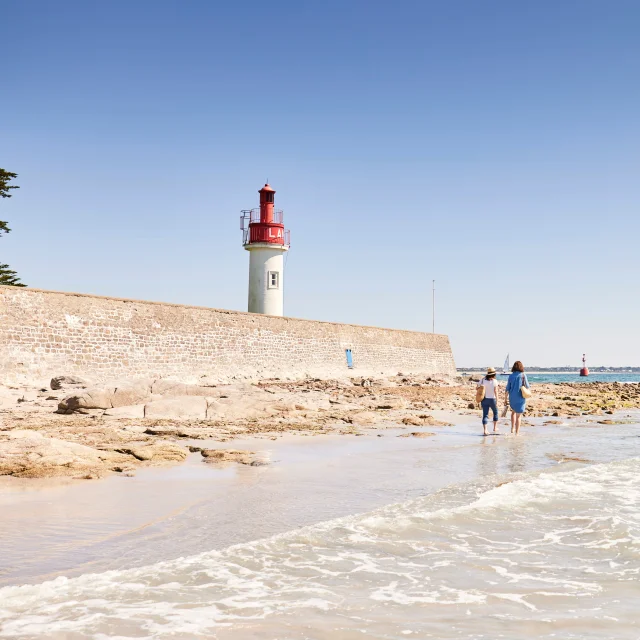
Close to the centre, the Langoz lighthouse bears witness to theexploitation of seaweed. This was a widespread activity all along the coast between 1780 and 1950. The seaweed was burnt in “goémon ovens”, rectangular trenches dug in the ground all along the coast.

No one was allowed to work with seaweed at night. The lighting of the lighthouse in the evening signalled the end of the work, until it was extinguished in the early hours of the morning.

Lighthouse enclosure and sea wall in Léchiagat

At the far end of the harbour, the red and white landmark of Croas Malo stands 25 metres tall and proudly announces the town. A sea wall produces no light, but is a visible and recognisable feature for sailors at sea. The Croas Malo landmark must be aligned with other features on the coast to find the right course and enter the port of Guilvinec.

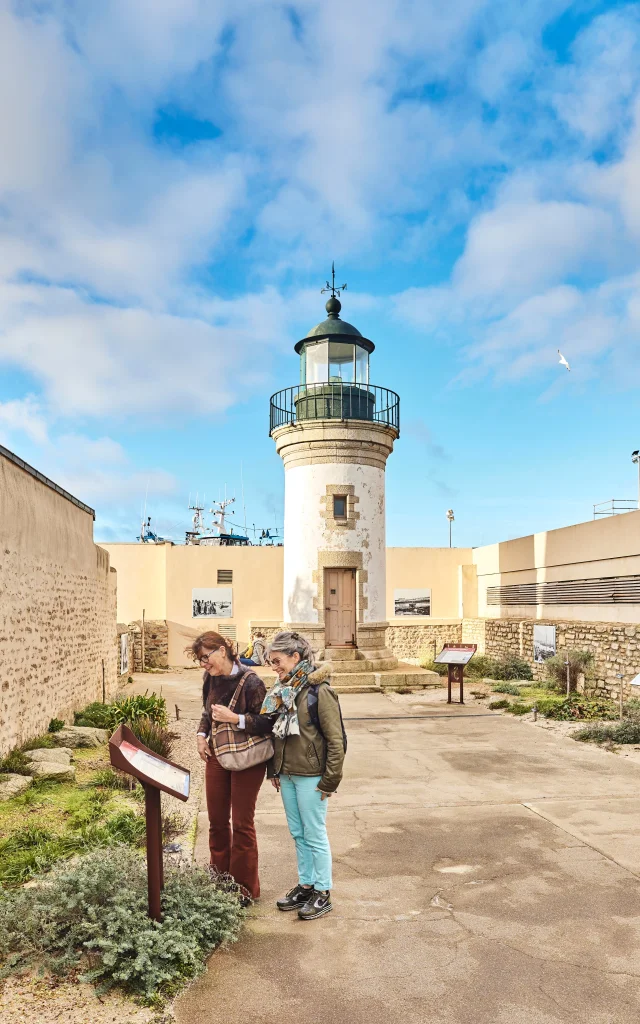
At the end of the port of Léchiagat, a lighthouse nestles in an enclosure, a must-see for lovers of maritime heritage. You can continue your walk by taking the quay on the left as you leave the enclosure, for a view of the sea and the port of Guilvinec.

Beacon at Men Ar Groas in Lesconil

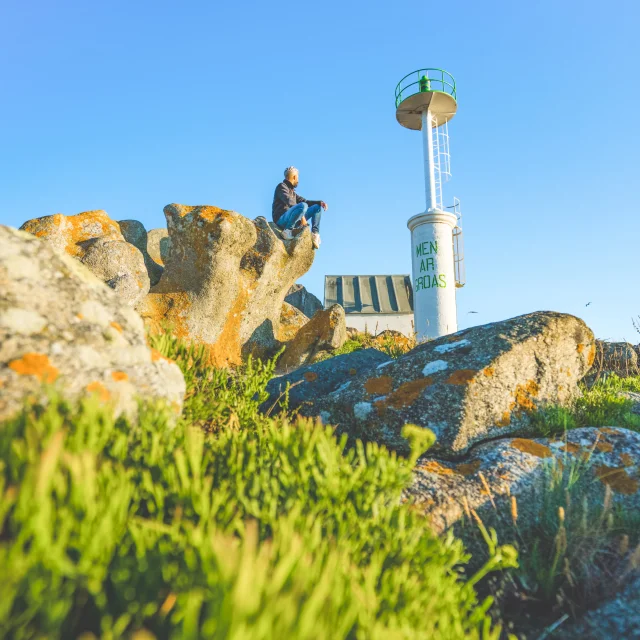
In Lesconil, at the end of the harbour (east quay), take time to admire the Men Ar Groas beacon, built in 1905 against the menhir of the same name.

For the record, the fishermen had to wait some fifty years for the beacon to rise into the sky due to lengthy administrative procedures. Before it was built, it is said that a village shopkeeper used to place a paraffin lamp on the windowsill every evening to guide the sailors. A mission and a challenge, to prevent the lamp from going out on windy evenings…