Pors Carn beach - Penmarc'hPors Carn beach - Penmarc'h
©Pors Carn beach - Penmarc'h |A. Lamoureux

Sheltered ports

Sheltered harbours are little havens nestling in the nooks and crannies of the coastline. Discover these gems in Pays Bigouden.

Bigouden's sheltered harbours

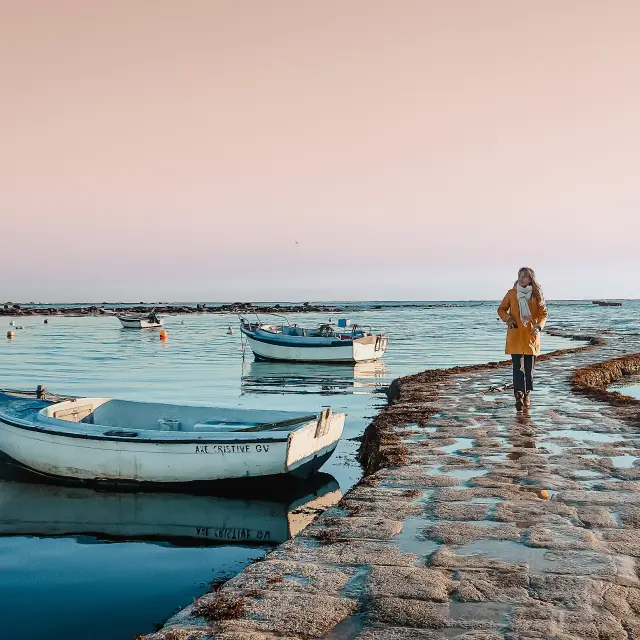
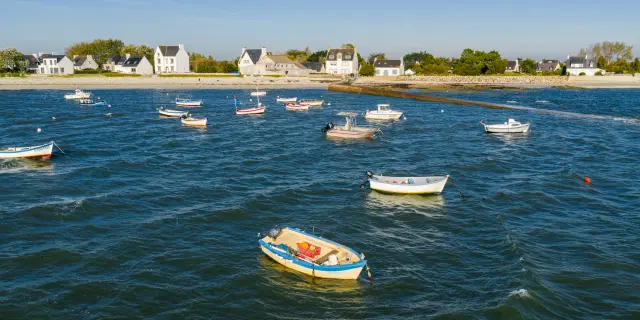
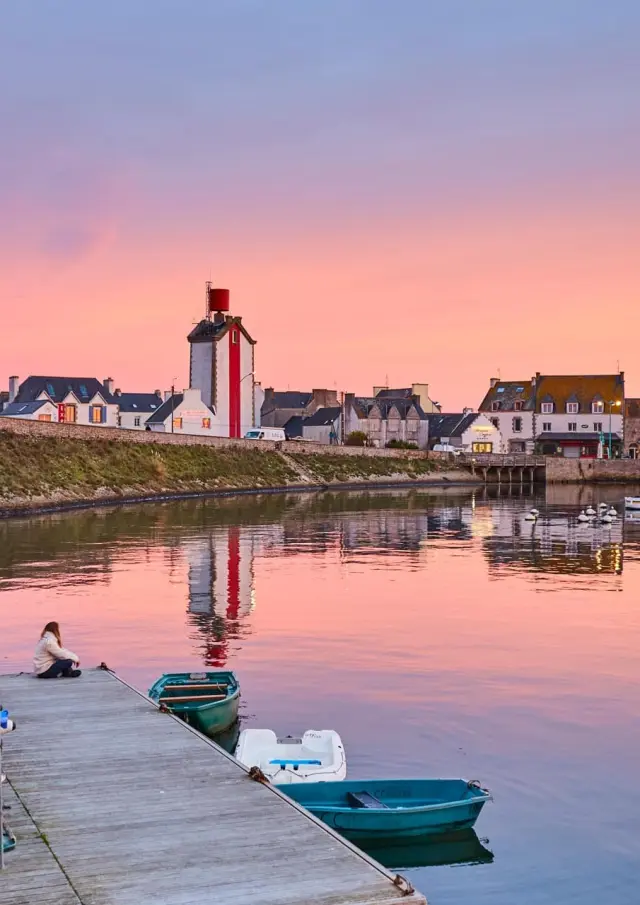
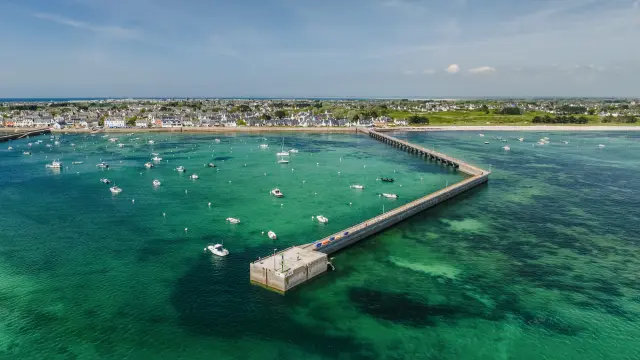
Older generations used the topography to shelter their boats. Certain coves and inlets less exposed to the swell and wind have therefore become sheltered harbours, sometimes with a seawall or breakwater extending over the rocks. In some places, a winch has been installed to help the arms that had to haul the boats ashore in winter or in stormy weather.

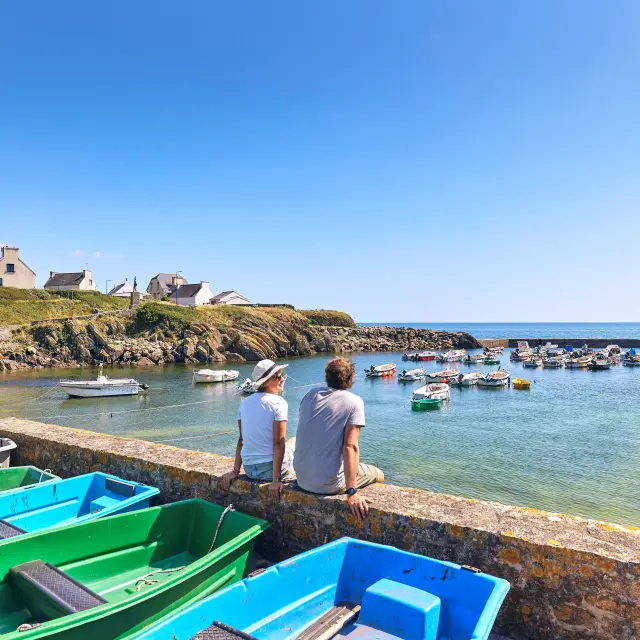
Sheltered harbours are often charming places. To get to their moorings, boat owners use their smaller rowboats known as ‘tenders’, which are usually stored in the slipway.

Those who use the sheltered harbours now are former fishermen who have converted to yachting, or simply sea lovers who like to go out and set a few traps offshore.
Pors Poulhan

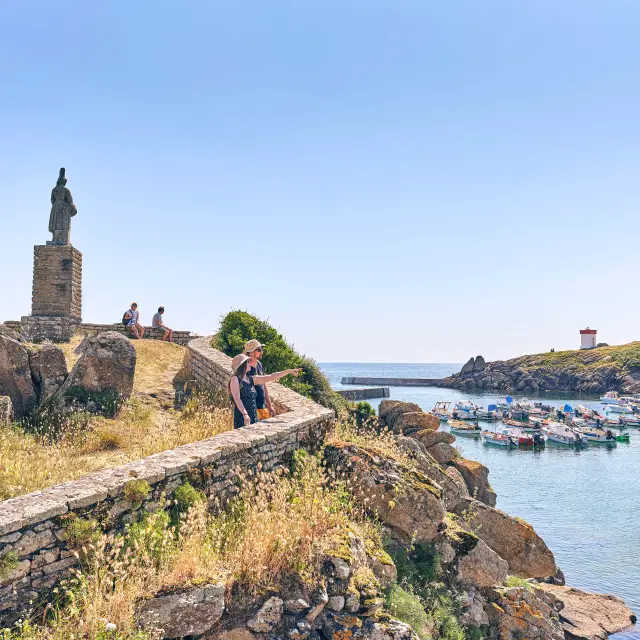
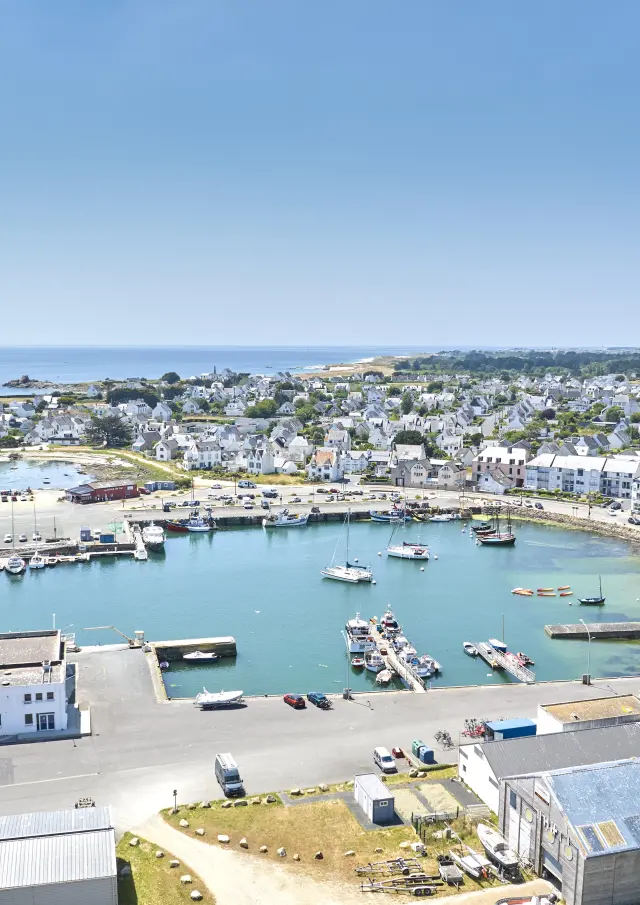
Situated at the gateway to Pays Bigouden and on the Route du Vent Soleil, the picturesque port of Pors Poulhan invites you to take a break. The Bigoudène Statue, designed by the famous sculptor René Quillivic, marks the border between Pays Bigouden and the area known as Cap Sizun to the north.

The many brightly-coloured hulls are jabadaos, traditional boats used by yachtsmen for small-scale fishing.

The old school on the harbour quay hosts a variety of exhibitions during the summer, while the harbour entrance light sends out its lights into the night.

Pors Poulhan is alive all year round, a meeting place for locals, regulars and visitors alike.

The Bar des Côtiers is a cosy bistro where you can drink your coffee on the terrace in the morning and dance the night away to the live music.

Kérity in Penmarc'h

Kérity, what an atmosphere!

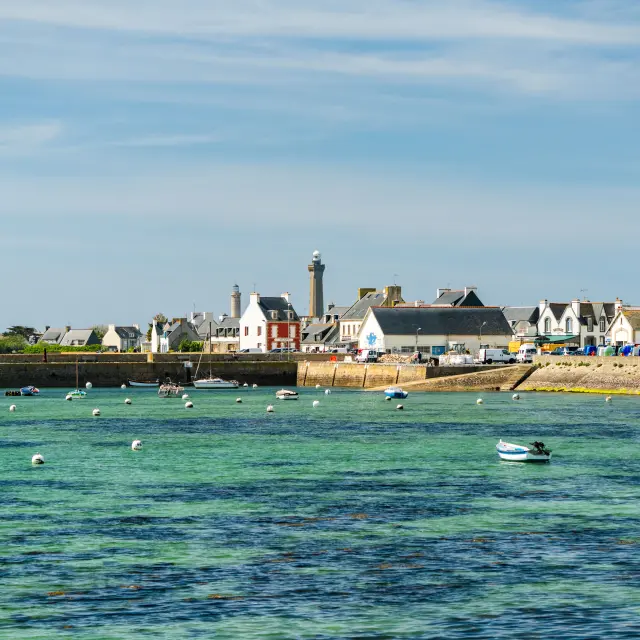
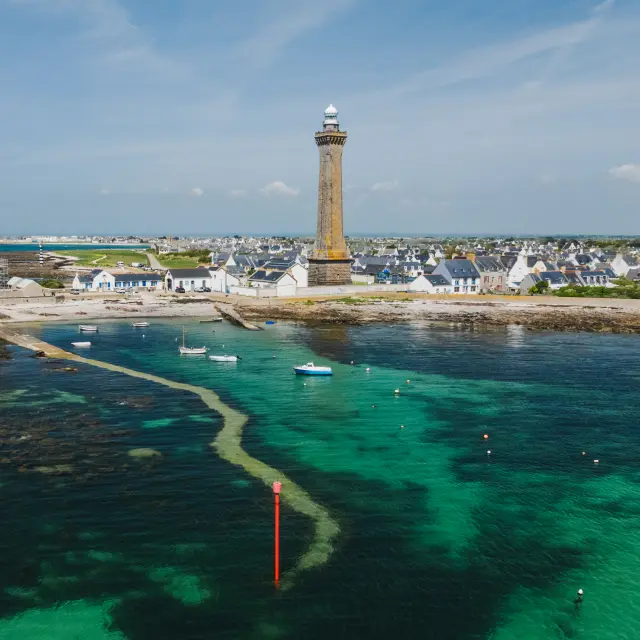
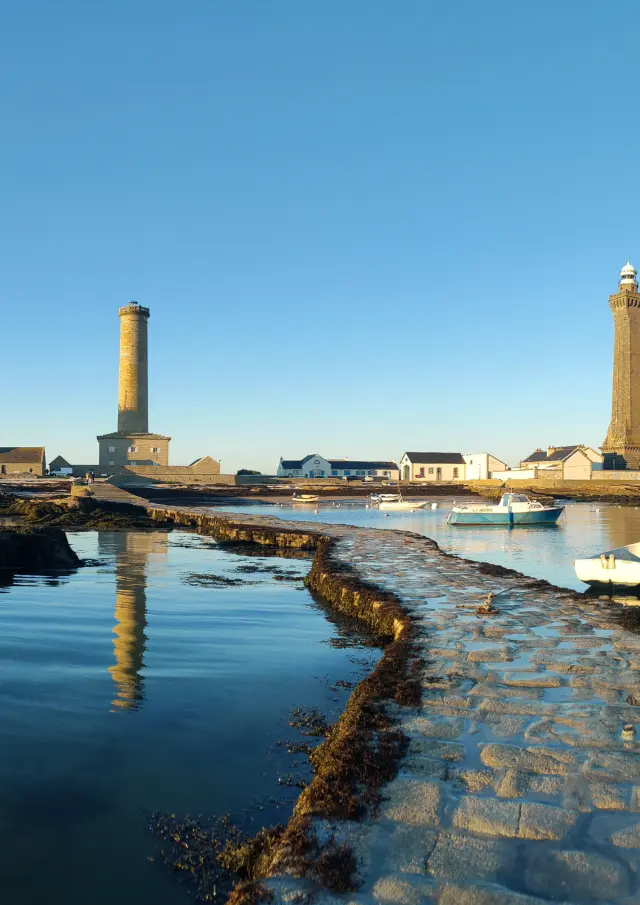
It offers typical bistros, a festive atmosphere at weekends, the Eckmühl lighthouse in the distance and the long dykes stretching out to sea. When you see the ocean rolling over the reefs just above the water’s edge, you realise that you’d need to be a good sailor to find the pass!

Indeed, the small fishing port is only accessible from mid-rising tide, with a shallow draught (1.20 metres maximum). Despite the signposted Pénaguer channel, access is tricky, especially in a westerly to south-easterly wind as you pass close to the rocks.

Pors Carn in Penmarc'h

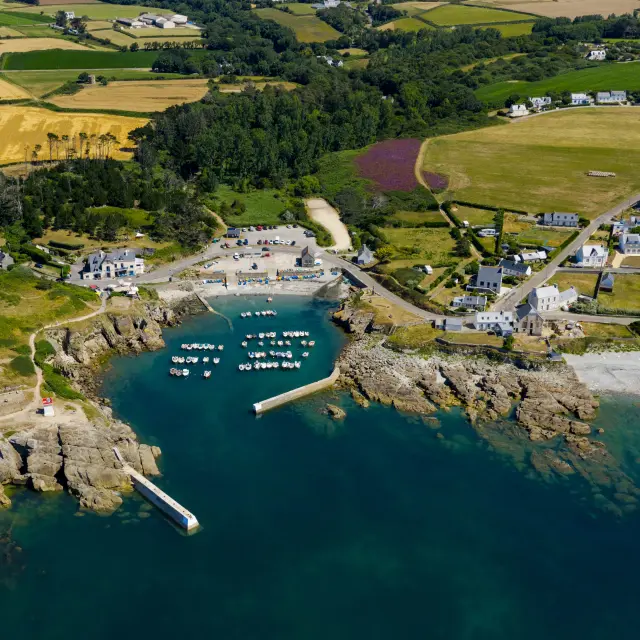
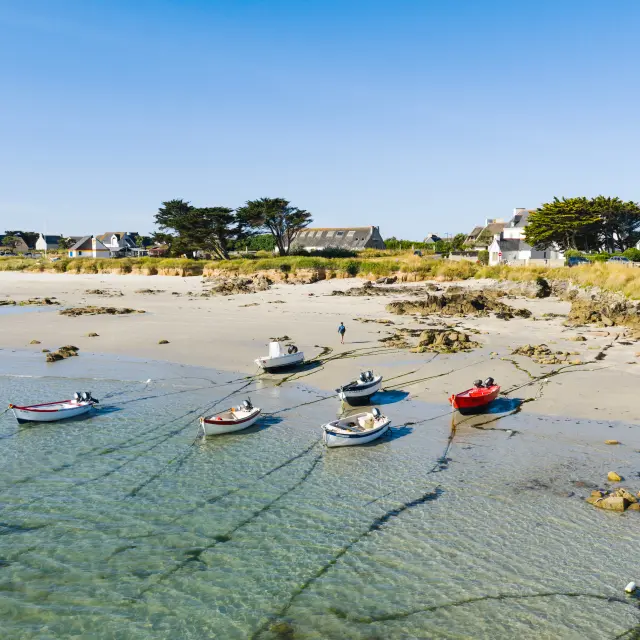
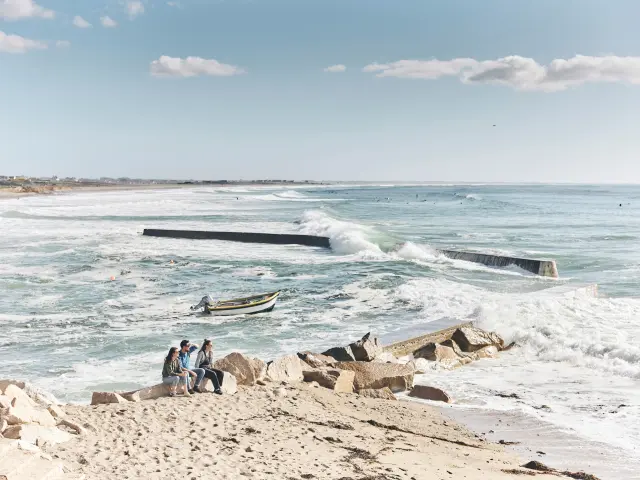
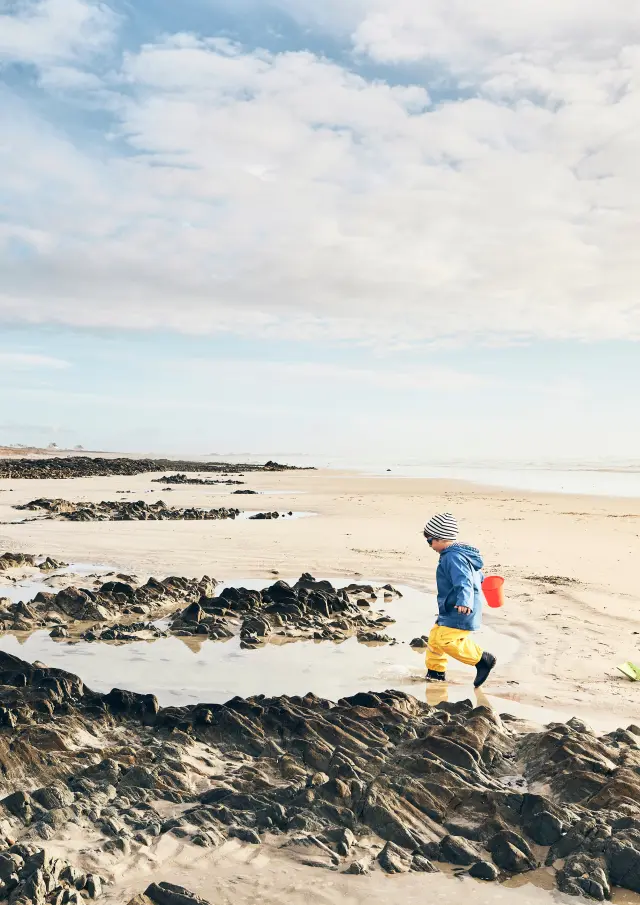
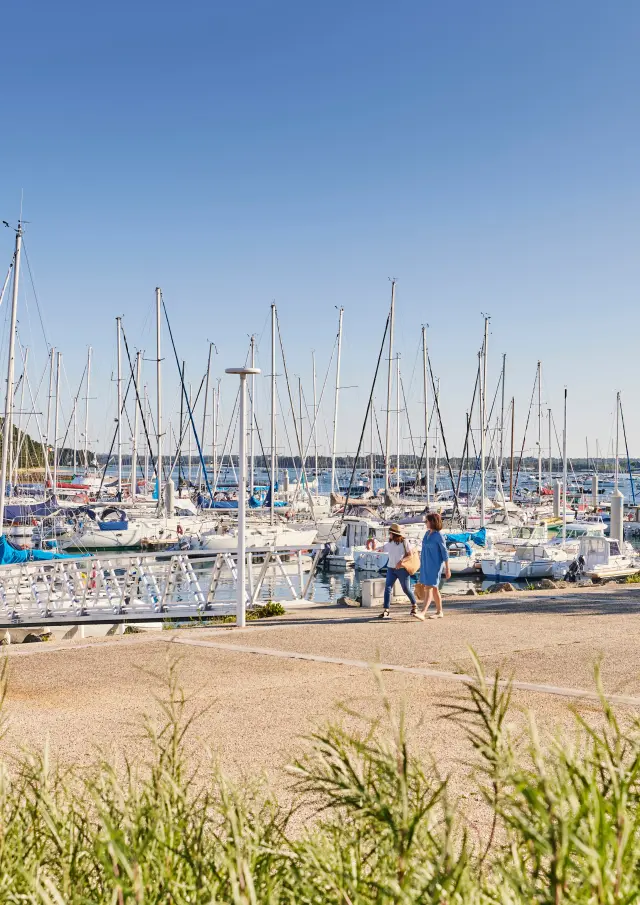
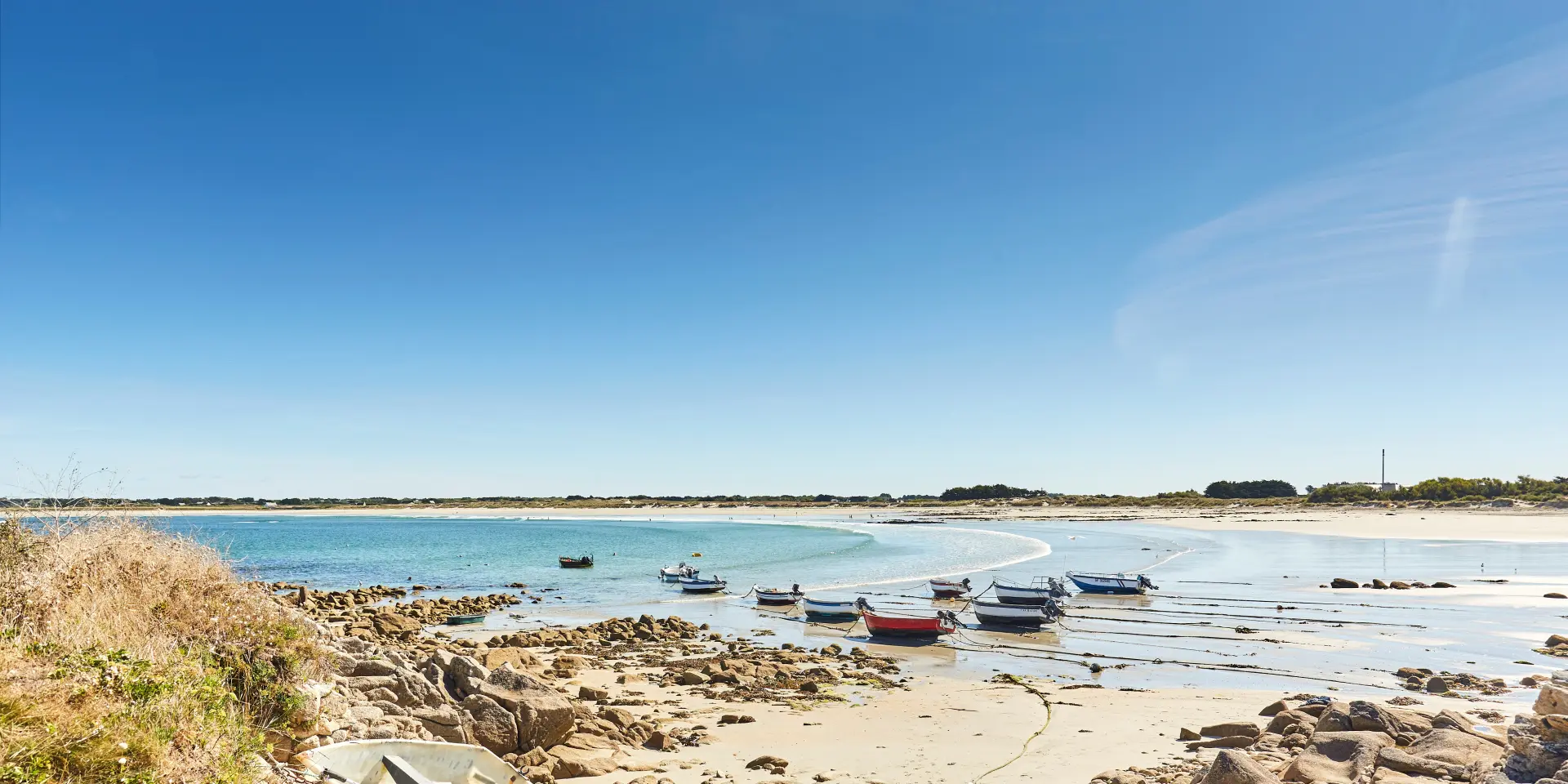
At the southern end of Pors Carn beach is a small shelter where the boats line up. The waters are translucent in calm seas and the atmosphere is beachy, with the local speciality kouign being served at Tom Café or Marie-Cath.

This is also where surfers gather to take advantage of the beautiful lines rushing into the Pors Carn cove.

From the end of Pointe de Pors Carn, there is a magnificent view of the sheltered harbour below and the Pointe dela Torche. Picnic tables are available. On your left, the GR® 34 coastal path continues for a particularly beautiful stretch, as far as the rocks of Saint-Guénolé.

Saint-Pierre in Penmarc'h

The port of Saint-Pierre, at the foot of the Eckmühl lighthouse, gives an image of a port as it was in the last century. The chapel with its turret, built in the 1500s, was used as a semaphore and then as a fire tower until the old lighthouse was built in 1835.

Nearby, Saint-Pierre lifeboat station, created in 1901, has been restored and houses the only seaworthy oar lifeboat on the entire French coastline, the Papa Poydenot.

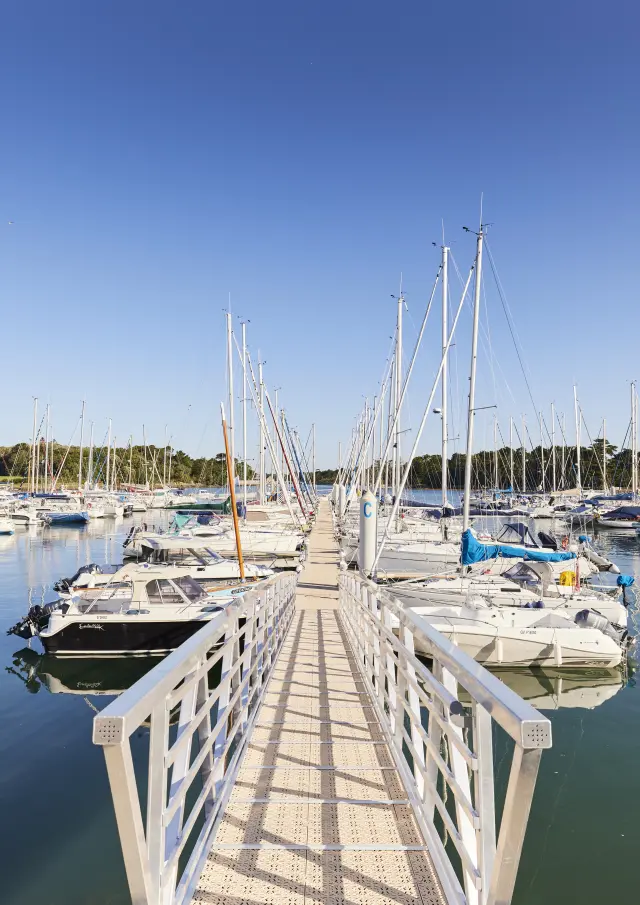
Saint-Pierre has around twenty moorings for pleasure craft.

Penhors in Pouldreuzic

At the heart of Audierne Bay, the sheltered harbour of Penhors is protected from the onslaught of the Atlantic by two dykes. Just talk to the fishermen and you’ll realise that leaving the harbour through the pass is a critical moment that requires you to know how to manoeuvre your boat with dexterity.

Penhors is also a surfing spot, a supervised swimming beach and a place to relax where restaurants, food trucks and bars spread out their terraces facing the sea.

The Musée des coquillagesde l’Amiral (the Admiral’s shell museum) presents a collection of curiosities from the depths of the oceans.

Larvor in Loctudy

The small fishing and yachting harbour of Larvor, in Loctudy, has a slipway and mooring area where you can go out to sea.

Low tide reveals a surprise: an eye made of shards of glass and earthenware by the recently deceased artist Pierre Chanteau. Chanteau created a number of Yeux d’Iroise all along the Breton coastline, often on the slipways or breakwaters of small sheltered harbours like Larvor.