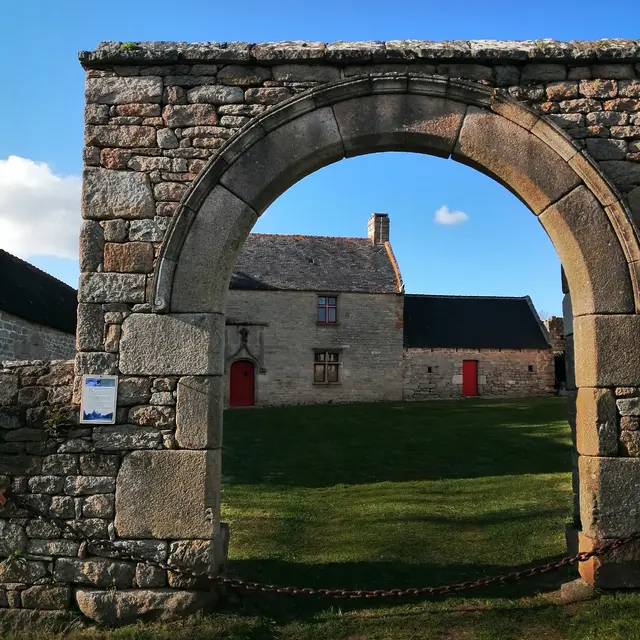
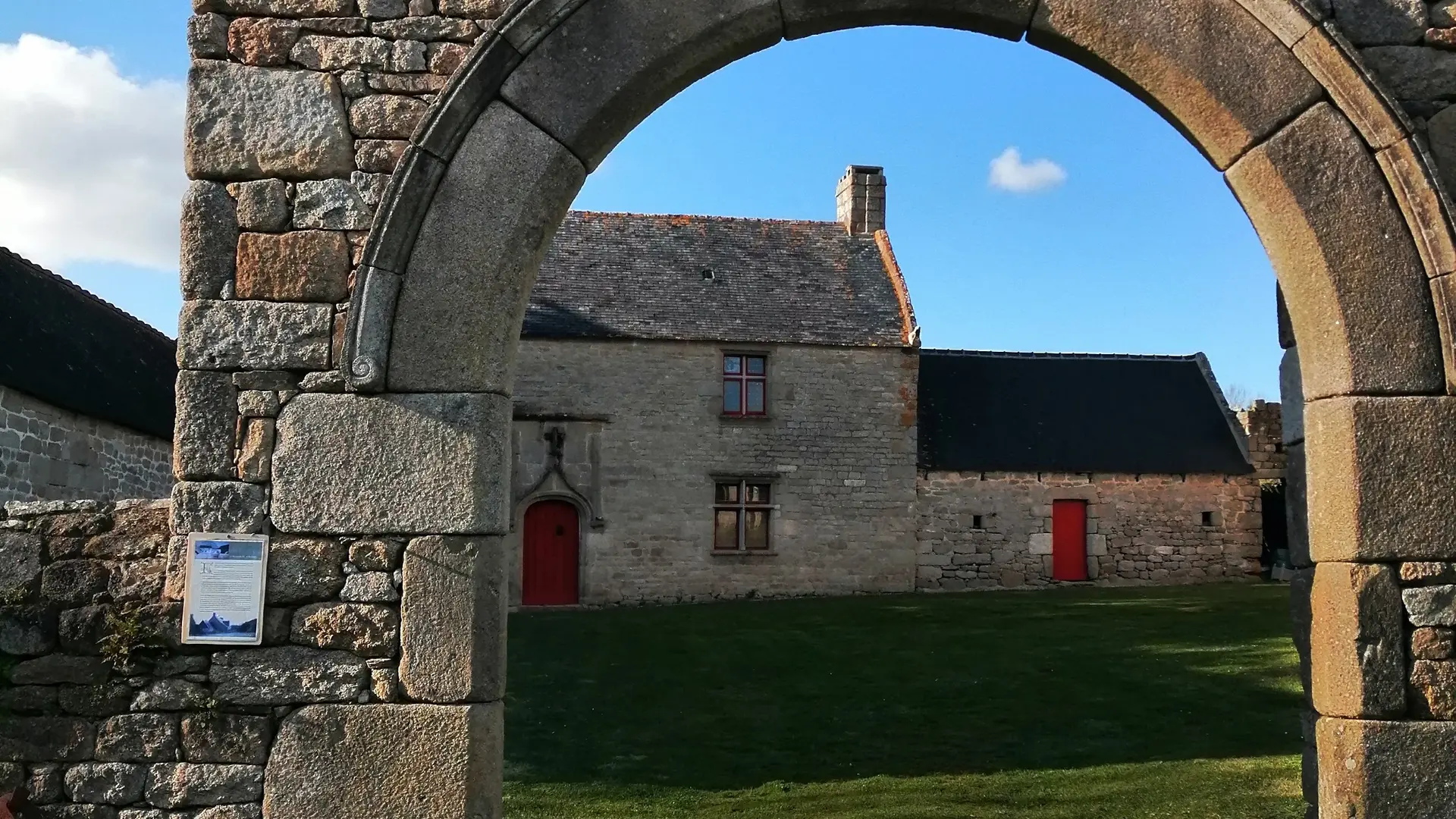
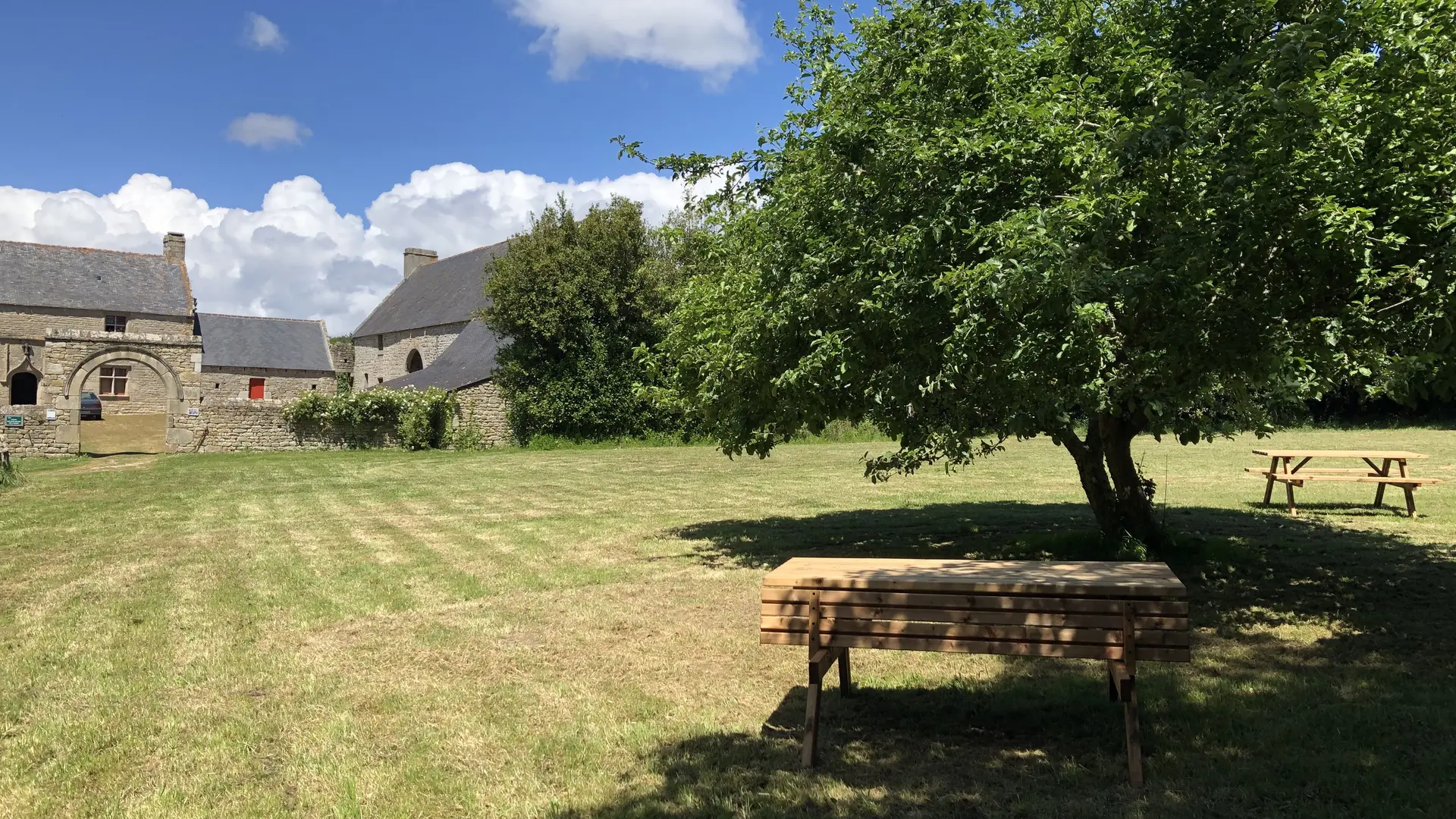
Built in the 16th century, it is the archetypal Cornish manor house of the period, serving both as a seigneurial residence and agricultural estate. The buildings are arranged around a central courtyard, with the main house facing south.
For a long time, the manor was owned by the du Haffond de Kerescant family, also known as the du Haffond de Lestrédiagat family, after the land of Treffiagat of which they were lords.
In 1785, the manor became the property of the widow of Alain Léon de Tréverret, former seneschal of Quimper and then Rennes. When her son went bankrupt in 1807, the estate was bought by Jean-Baptiste Huard, a fine merchant who later became mayor of Pont-l'Abbé. When his daughter died in 1879, Jean-Baptiste Huard's nephew, the archaeologist Paul du Chatellier, became the heir.
Throughout this period, the manor was run on the principle of a leaveable estate, with the landowners being the families named above and the domaniers being wealthy peasant families who owned buildings and land, i.e. everything above ground level. The domaniers were required to pay an annuity to the landowners as well as a high commission.
One of the best-known domaniers was the Calvez family, from the 18th to the first third of the 19th century. One of its members, Michel Calvez, became a lawyer, tax prosecutor and then seneschal to the Baron of Pont l'Abbé.
The Morvan family was the last to purchase the land, thereby acquiring full ownership of the property. They succeeded one another for a century at Kerhoas. The manor is now privately owned.
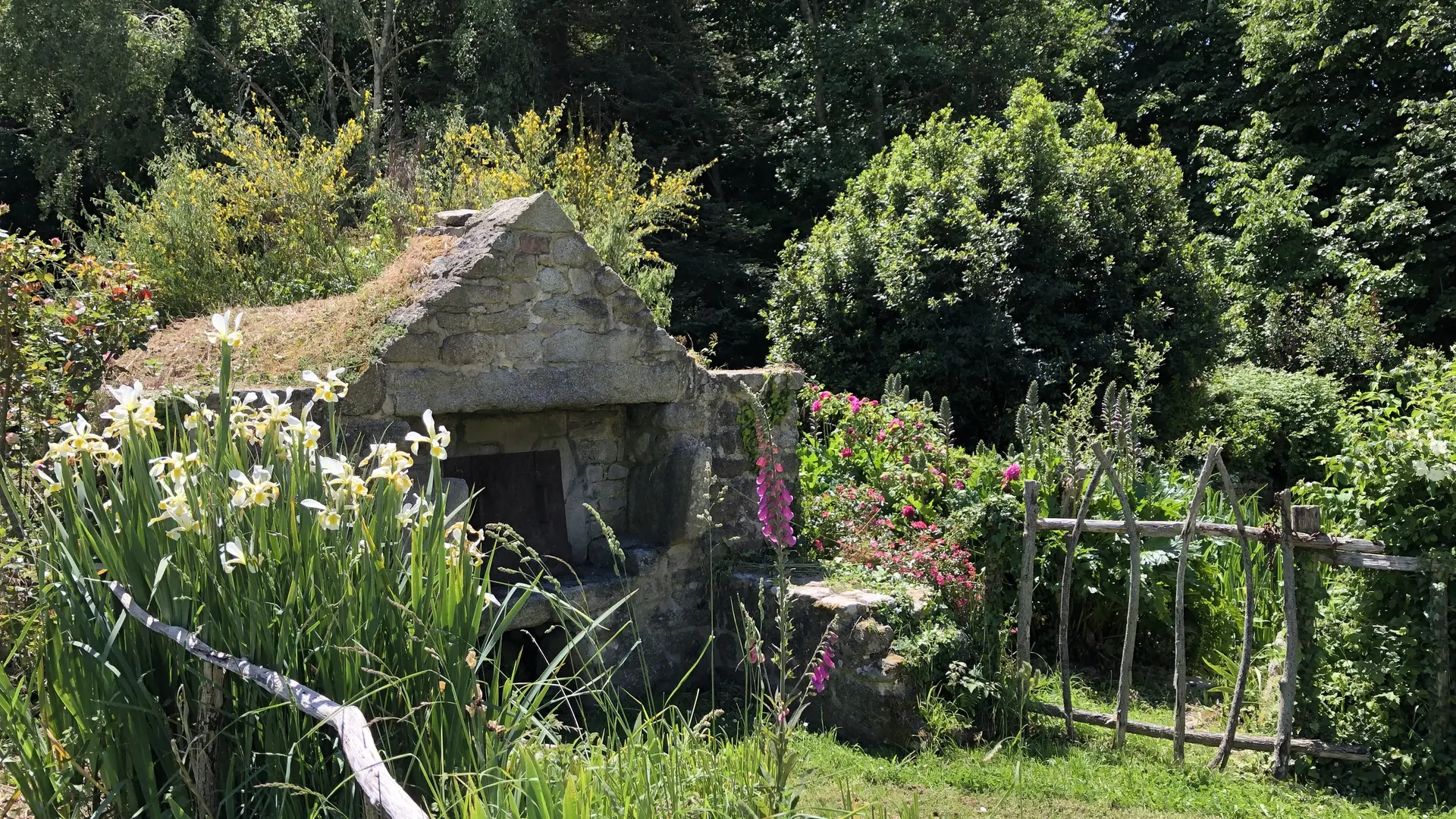
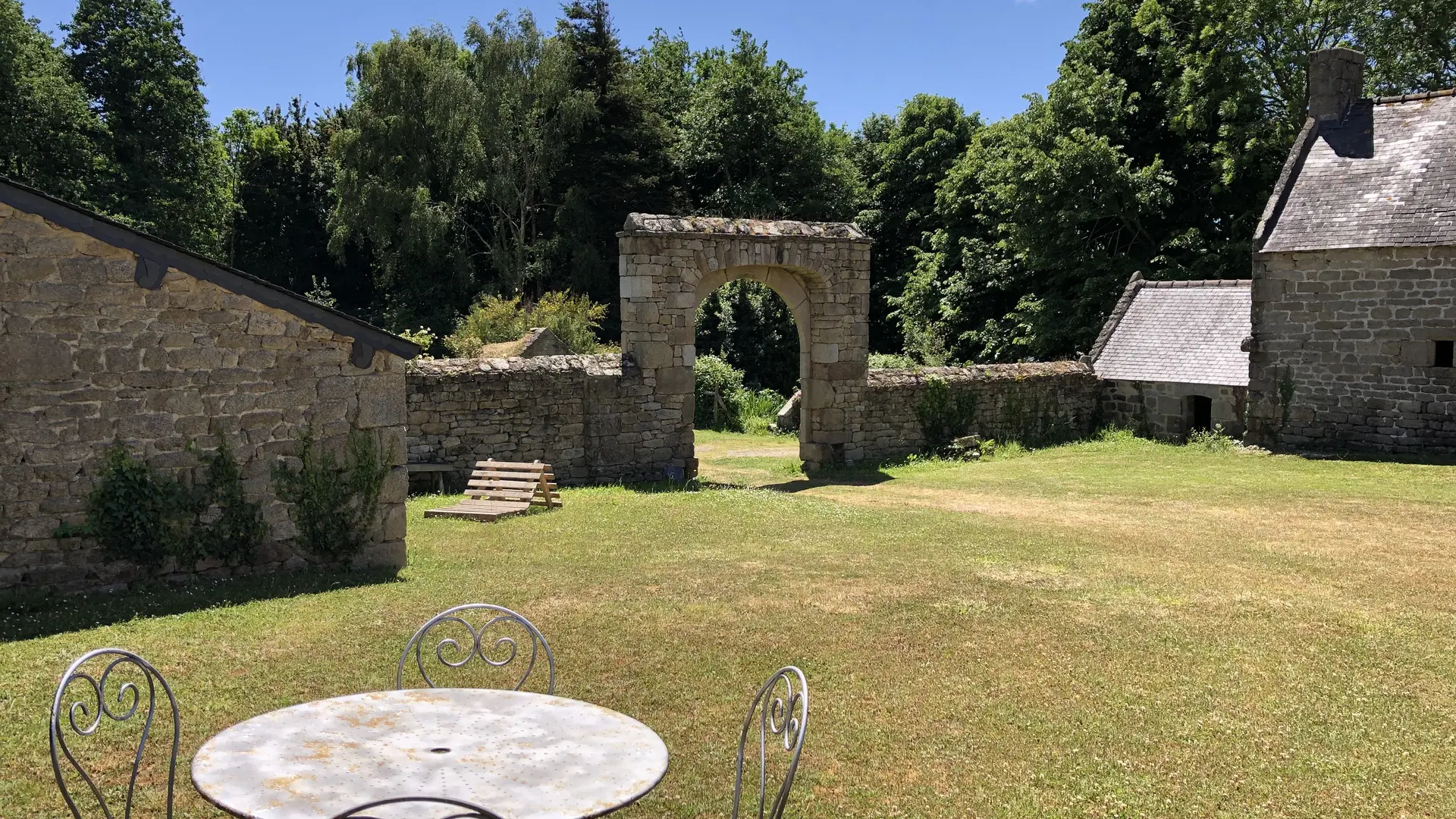
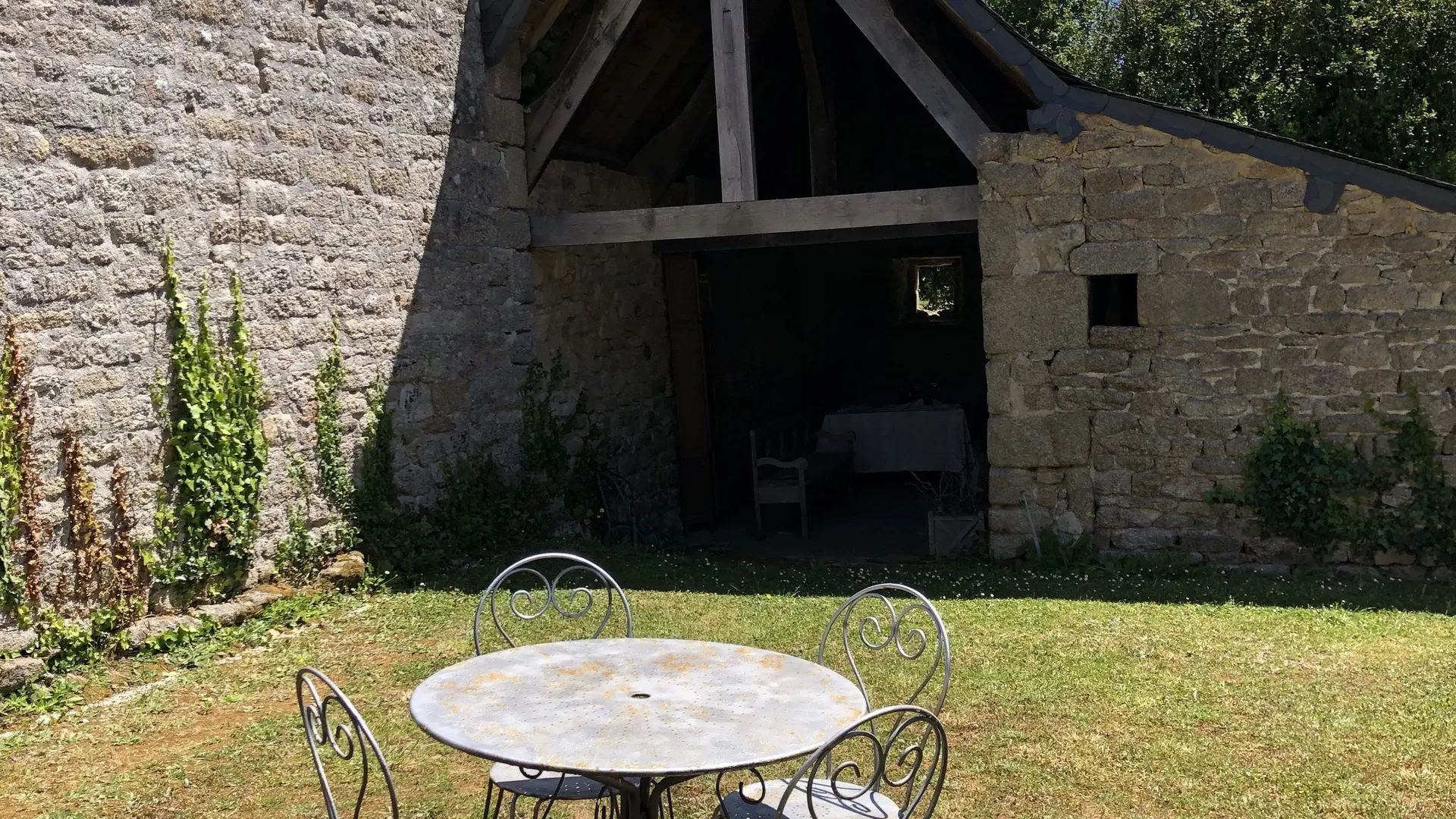
The exterior of the manor house is open to visitors: grounds, bread oven, fountain, orchard and barn. A path leads directly to the Plonivel chapel at the top of the village.
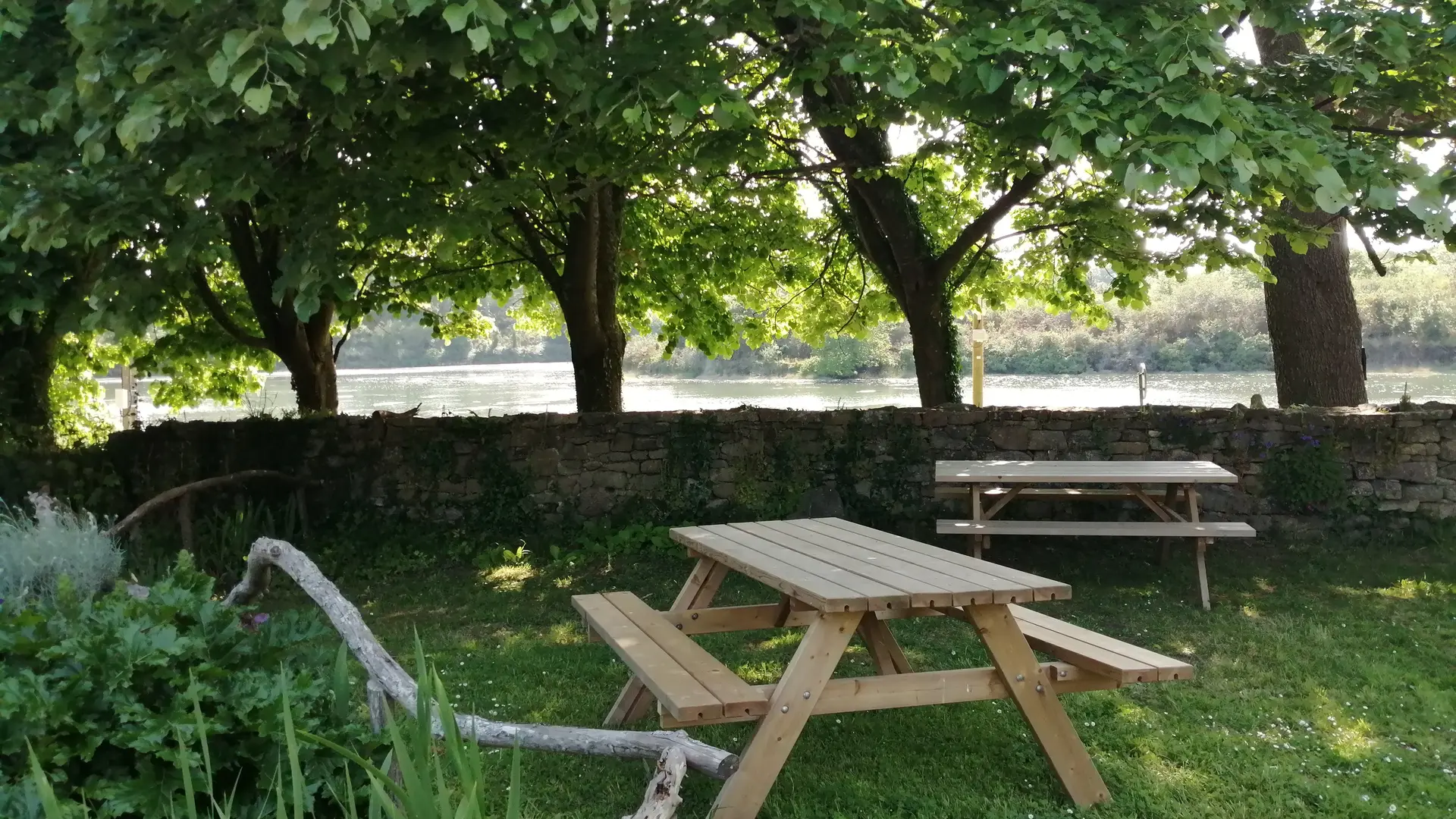
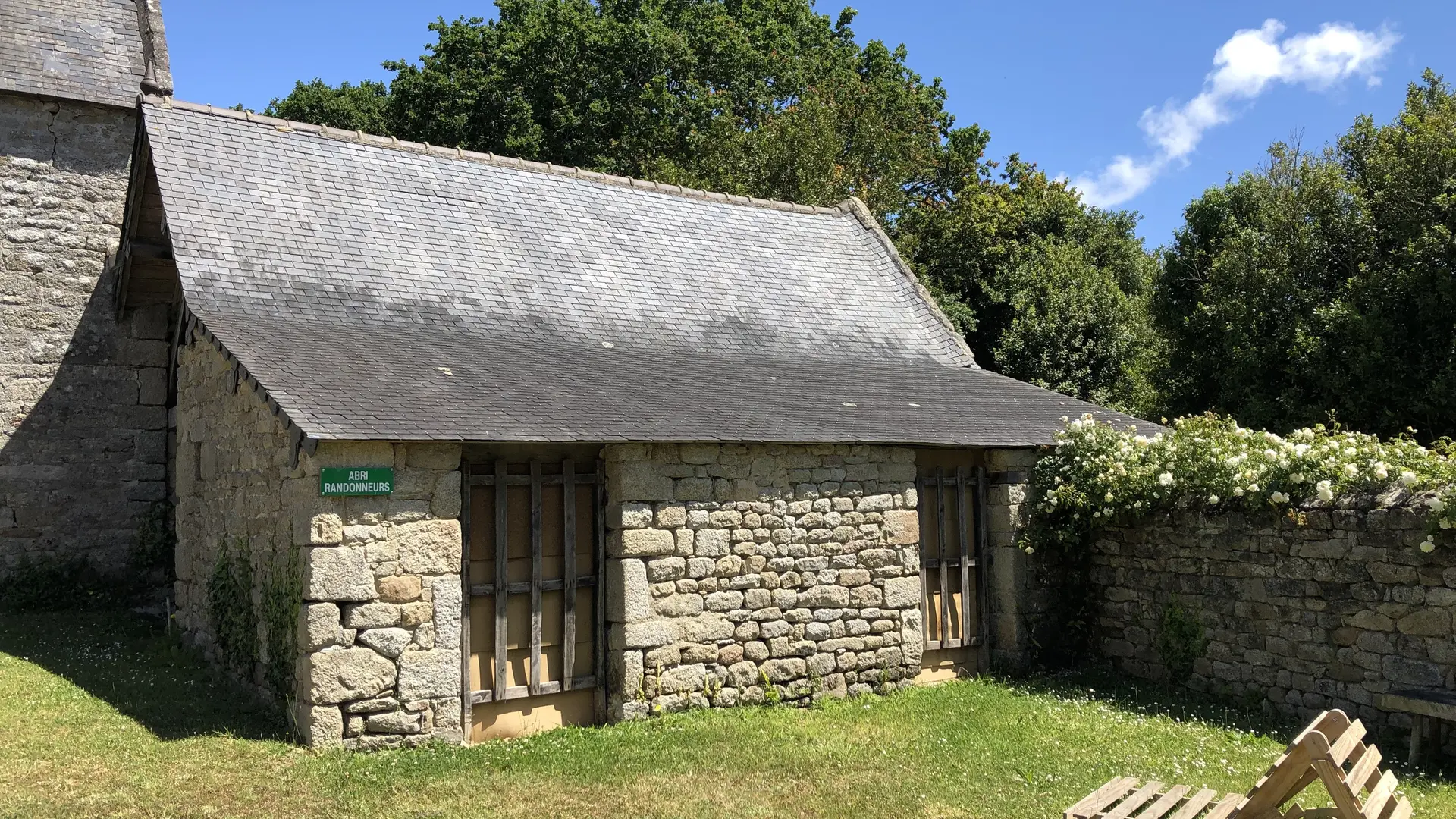
A hikers' rest area with several wooden tables provides a shady spot to take a break or enjoy a picnic in a pleasant, relaxing setting on the banks of the River Steir.
Read more