Walk in Sainte-Marine - CombritWalk in Sainte-Marine - Combrit
©Walk in Sainte-Marine - Combrit|A. Lamoureux
Combrit Sainte-Marine

Combrit Sainte-Marine

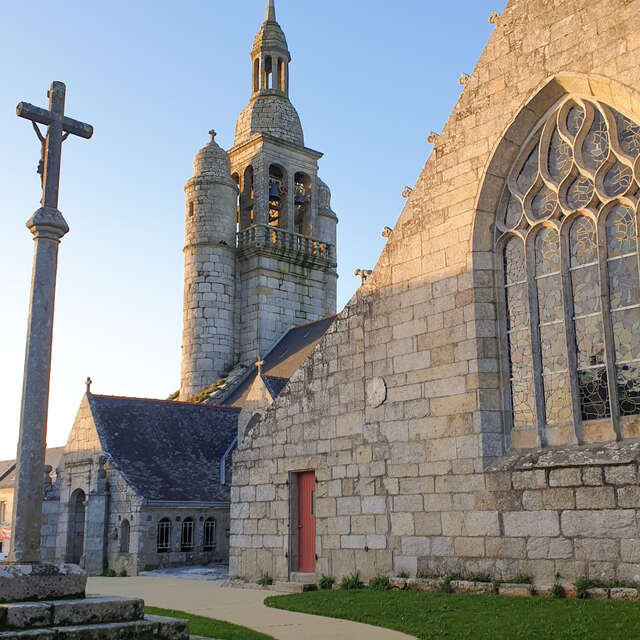
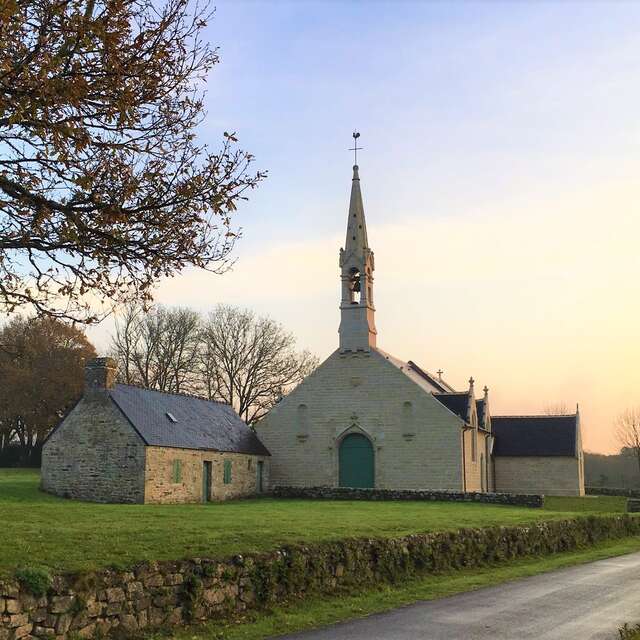
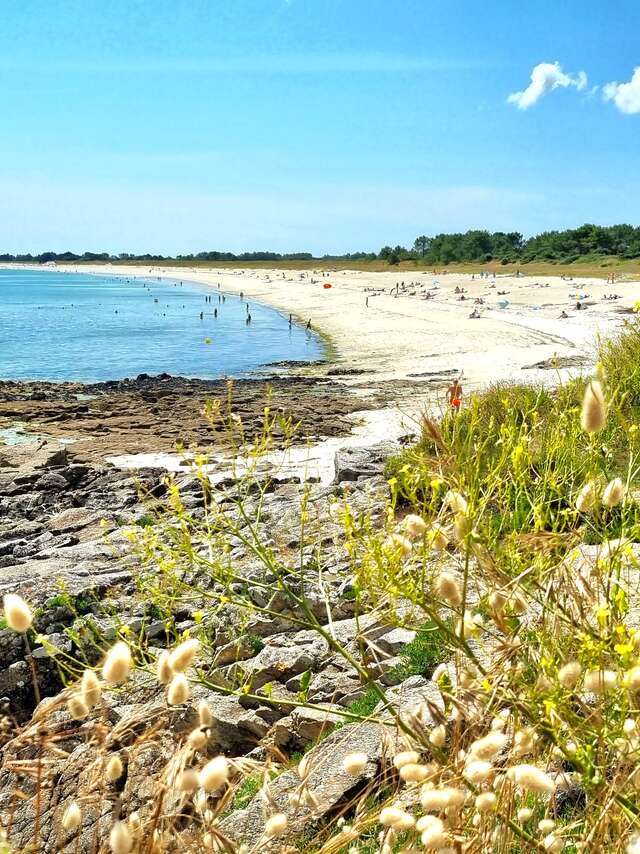
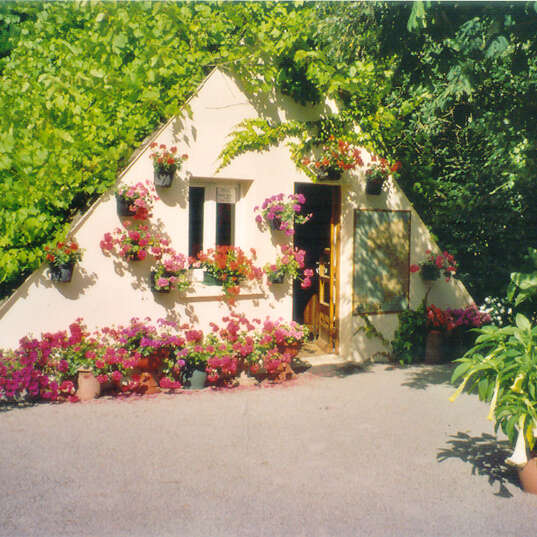
Combrit Sainte-Marine is a little jewel of Breton heritage surrounded by sea, wood and river. This commune embodies the chic and charm of the Bigouden region!

Getting there

A Breton jewel between heritage, nature and the ocean

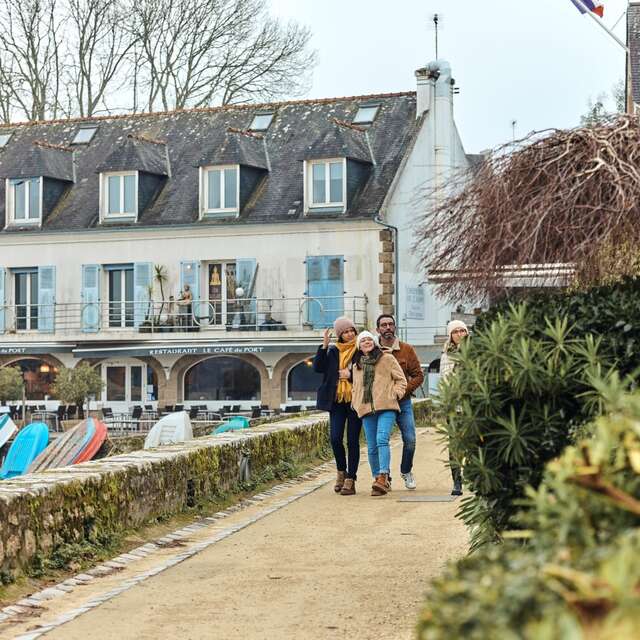
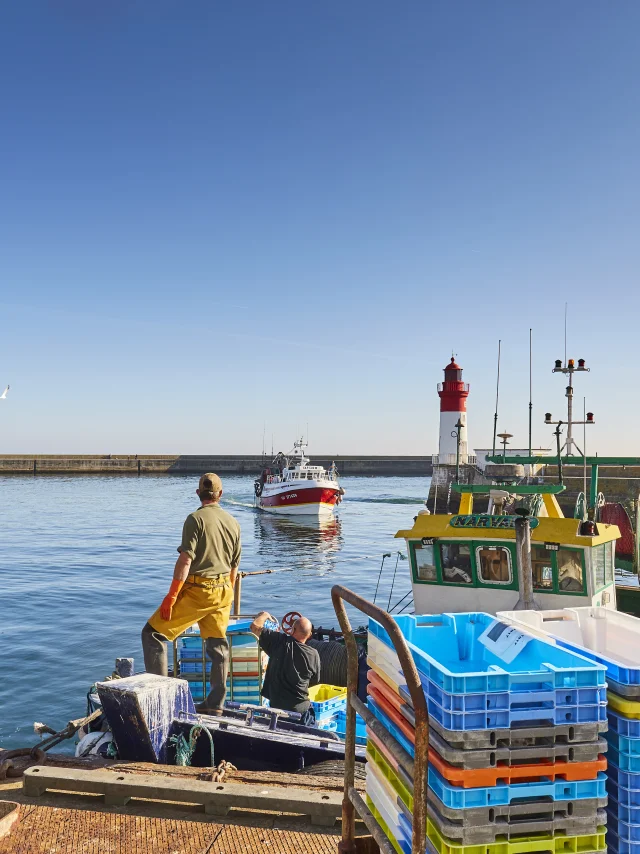
A stopover at Combrit Sainte-Marine is a taste of the charms of the past. This port has all the makings of a historic district, where you can stroll around, have a drink and enjoy a crêpe or a meal on one of the many terraces.

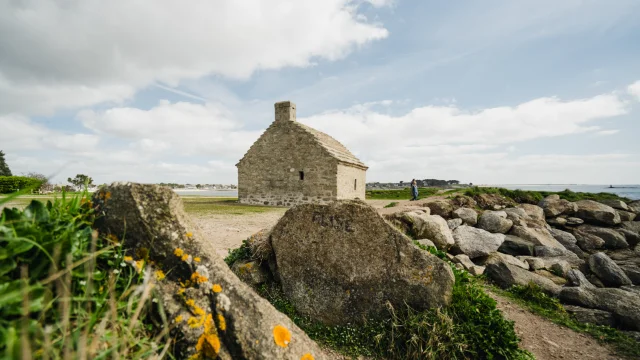
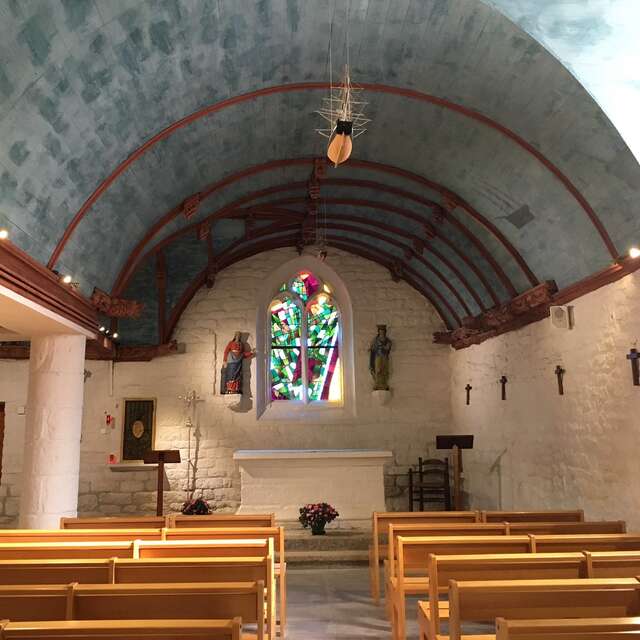
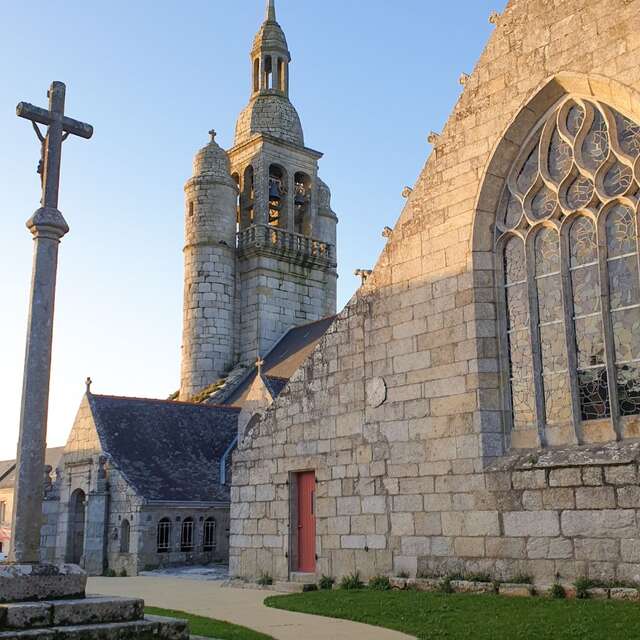
Scattered between the village, the countryside and the seaside, the chapels, washhouses, lighthouse and other monuments provide the key to its history… Sainte-Marine opens the doors to its Abri du Marin and the story of its founder: Jacques de Thézac. Every year, this pink house on the harbour offers an exhibition on marine themes. At the tip of Combrit, the Napoleonic fort hosts exhibitions from April to the end of October.

The path along the banks of the River Odet is wooded and shady, with so much natural beauty that a walk here can quickly turn into a birdwatching or botanical outing, or simply a mushroom-picking trip in autumn. The pink of the rhododendrons in spring contrasts with the green of the trees, and look at the surface of the water: all these beautiful colours are reflected…

Another natural spot in Combrit is the polder, a fragile wetland area in need of protection.

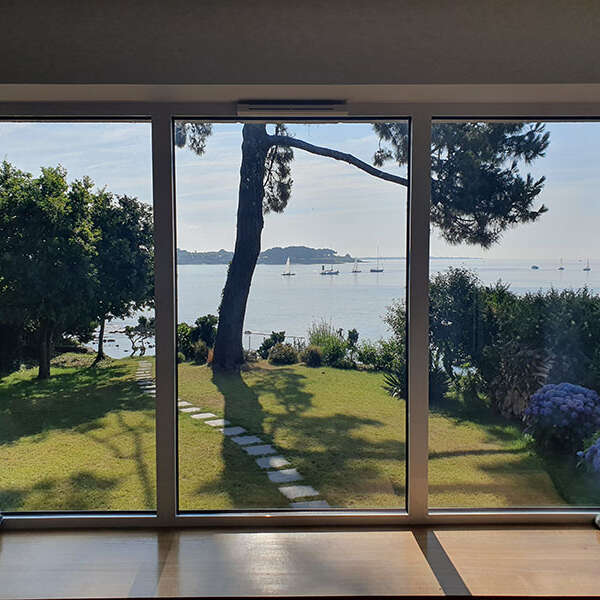
Sainte-Marine also offers a breathtaking view of the town of Bénodet on the other side of the Odet. You can cross the river on foot or by bike by taking the little ferry from the port.

You can also get there by car by crossing the Cornouaille bridge, a magical moment with a spectacular view of the meandering Odet, its countless sailing boats alongside, its immense mouth stretching out over an infinite sea. On a clear day, you can even make out the Glénan islands out to sea!
The must-haves

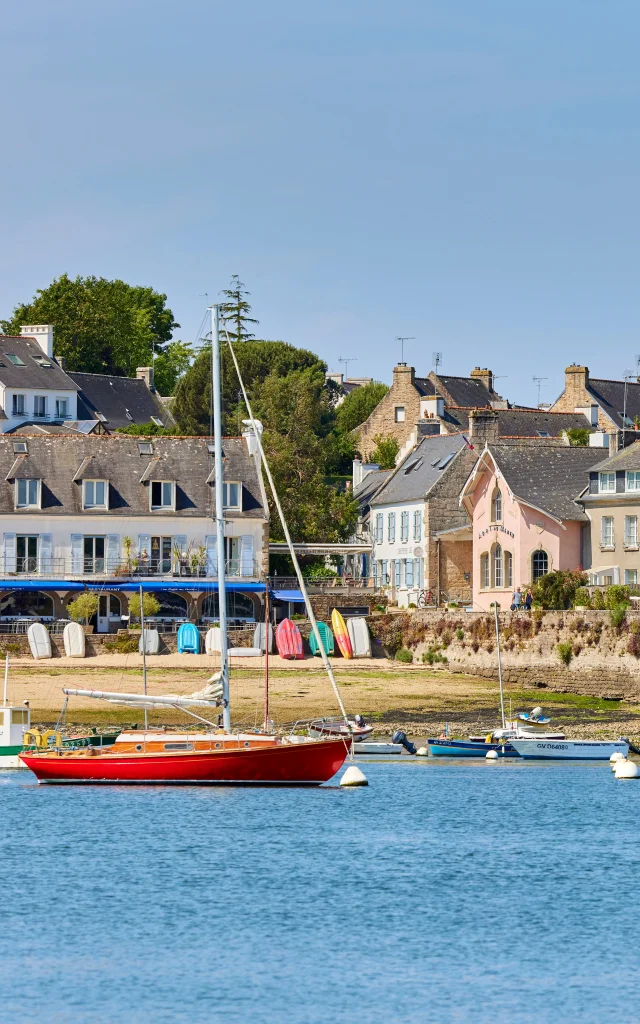
This little pink house, built in 1910, with its unique architecture, is a privileged witness to the work of Jacques de Thézac, the man who devoted his life to fishermen. A passionate and dedicated man, he had the Abris du Marin built to offer seafarers a place to rest and enjoy good food, far from the bistros.

It was listed on theInventaire Supplémentaire des Monuments Historiques in 2007, and now houses a permanent collection of photographs and objects, as well as an annual temporary exhibition.

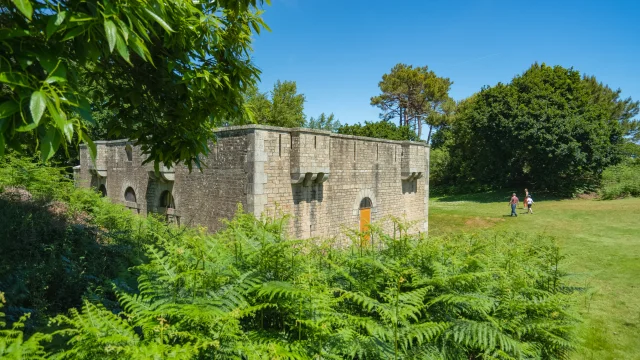
Combrit Sainte-Marine Fort was built under Napoleon III in 1862. Initially used to defend the Kingdom’s coastline, it was occupied by the German army during the Second World War.

Situated at the tip of Combrit, not far from the guardhouse and the Sainte-Marine lighthouse, it is now an exhibition site where various artists exhibit their work every week. In July and August, the commune organises an exhibition featuring one or more major artists.

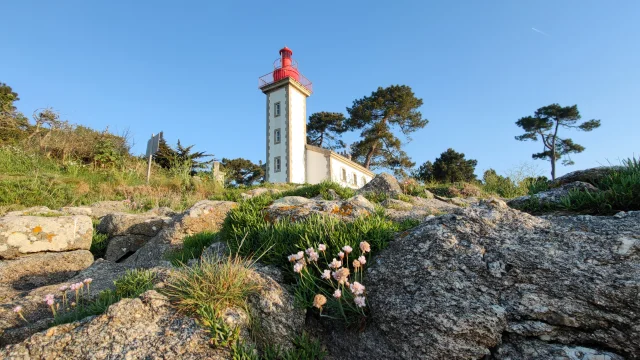
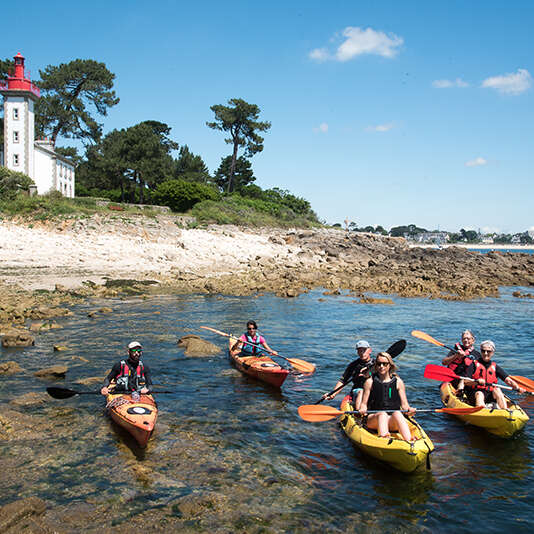
In 1885, César Maubras, an entrepreneur from Pont-l’Abbé, had the Sainte-Marine lighthouse built on a square gabled tower 13.20 metres high.

In 1943, the lighthouse was electrified. On 10 August 1944, it was damaged by German troops.

Today it is the property of Les Phares et Balises.

In the 17th century, in response to Louis XIV’s desire to make the coast impassable to the Kingdom’s enemies, Vauban began building strongholds to defend the territory.

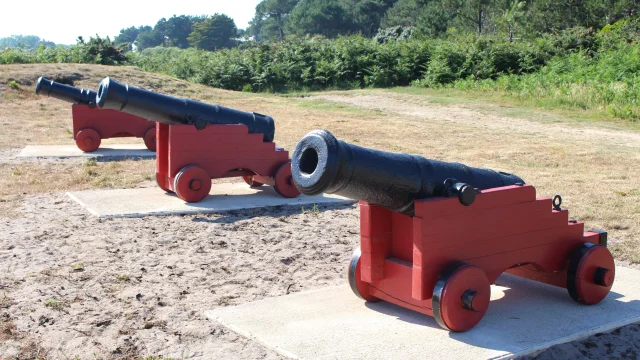
However, following the English landings, the decision was taken to reinforce this defensive network by creating coastal batteries and guard posts all along the coast. The guardhouse at Sainte-Marine was built in the 17th century. The main element of this defence was the three-gun battery facing out to sea, sheltered behind a bank of earth and wood.

Today, it is a venue for exhibitions from April to October, featuring a succession of artists.

In 1870, Mrs Cousin de Montauban began building a park, dykes and bridges. Owned by the Conservatoire du Littoral since 1983, Roscouré Wood is listed under the “Landscape” law of 2 May 1930.

This ecologically rich wooded park extends over 9232 hectares and offers a breathtaking view of the Combrit cove and the Odet and the various species of birds that pass through or live there all year round.
There is a signposted walk to discover it.

From one shore to the other with the P'tit Bac
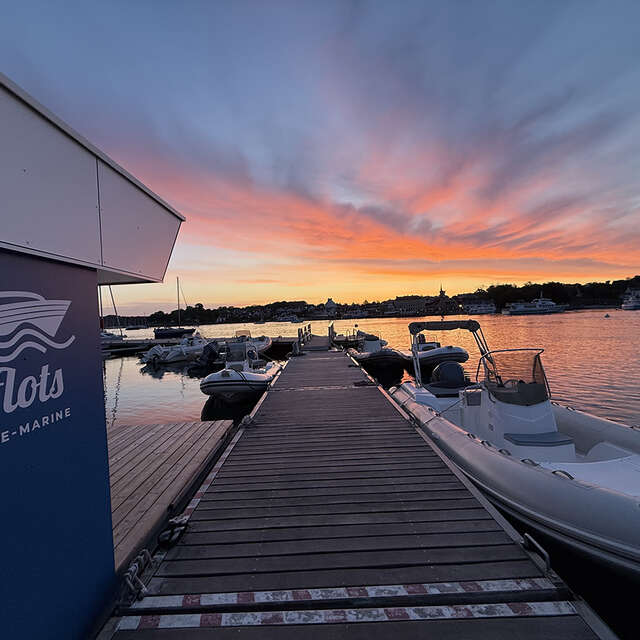
At the end of the slipway in the port of Sainte-Marine, Le p’tit bac awaits pedestrians for a quick and pleasant crossing of the Odet as far as Bénodet.

Cyclists are also very welcome on Le p’tit bac, which is equipped to accommodate bicycles, making it a great way to continue along cycle route no. 45 and its signposted footpaths!

Practical info: it sails from April to September – Every day – Service provided by Les Vedettes de l’Odet.

FAQ

Continue on your way in the Bigouden region