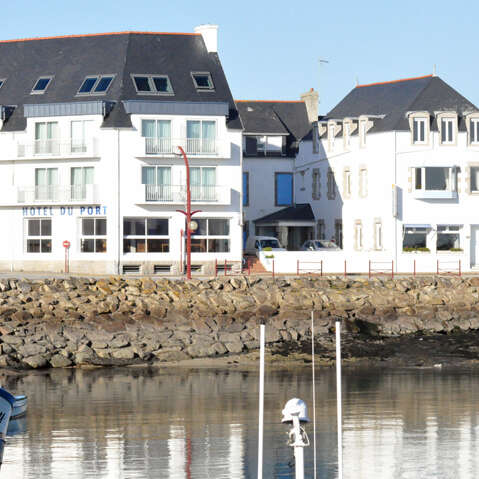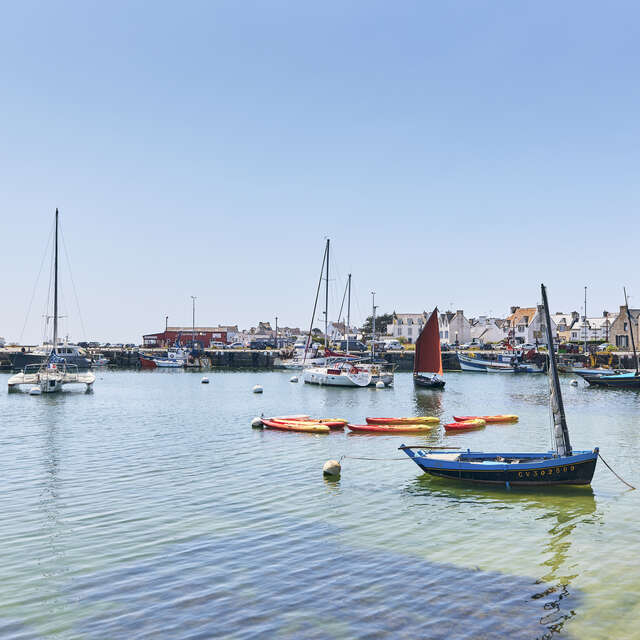
Port of Plobannalec-LesconilPort of Plobannalec-Lesconil
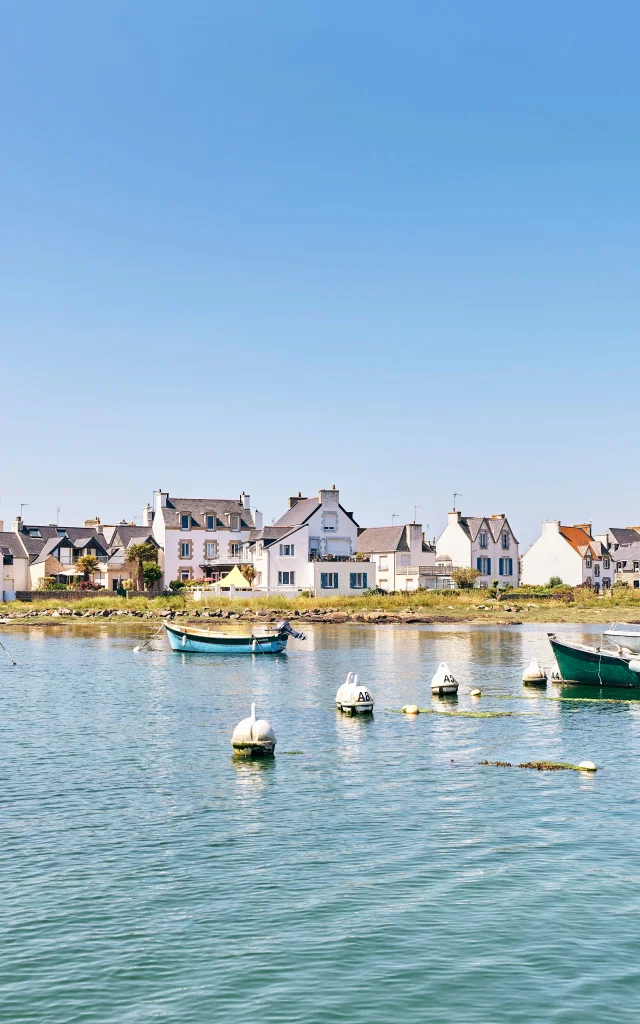
©Port of Plobannalec-Lesconil |A. Lamoureux
Plobannalec- Lesconil

Plobannalec-Lesconil

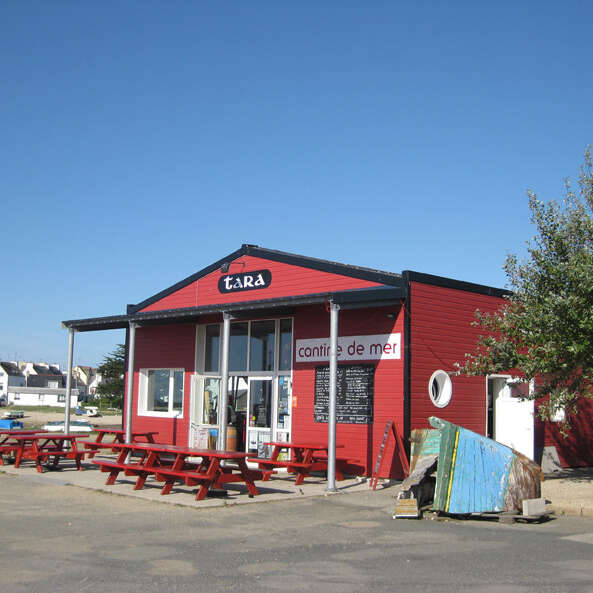
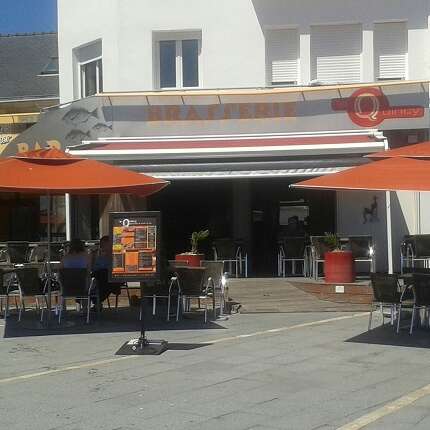
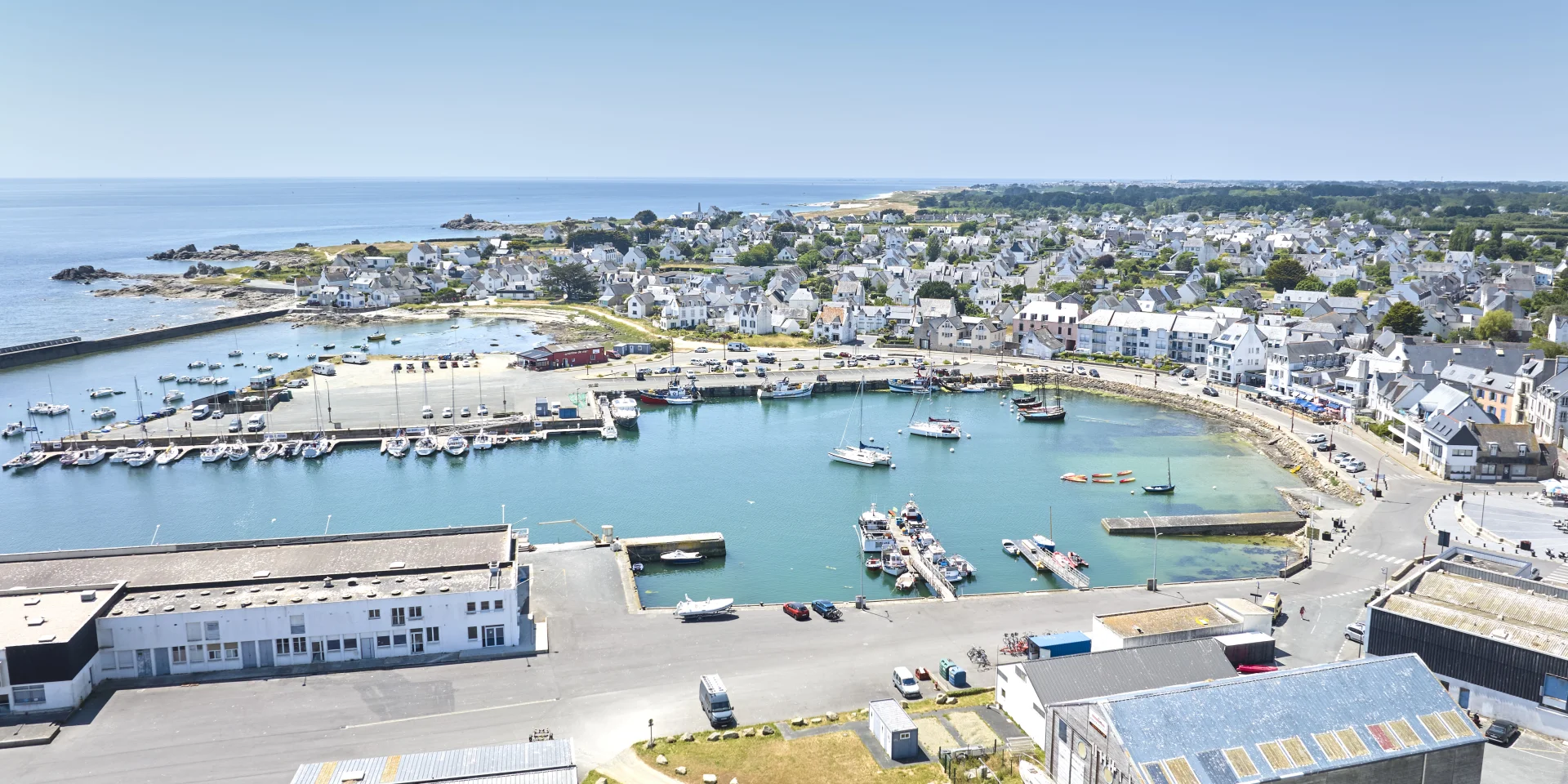
Plobannalec-Lesconil is a seaside resort with many facets: family, nautical and festive. It’s ideal for families, with its beach sheltered from the swell, its entertainment in the harbour and its bars and restaurants.

Getting there

The culture of the sea

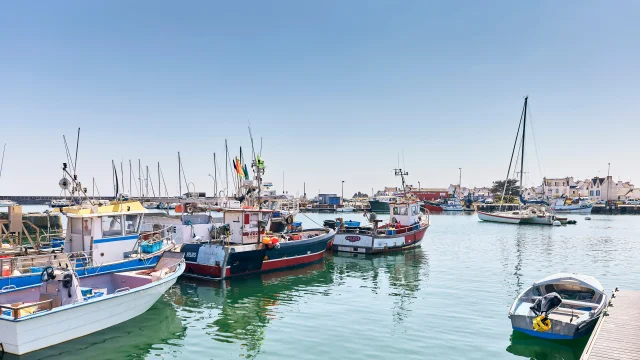
In the harbour, you can watch the return of the catch and buy your fish directly from the quayside.

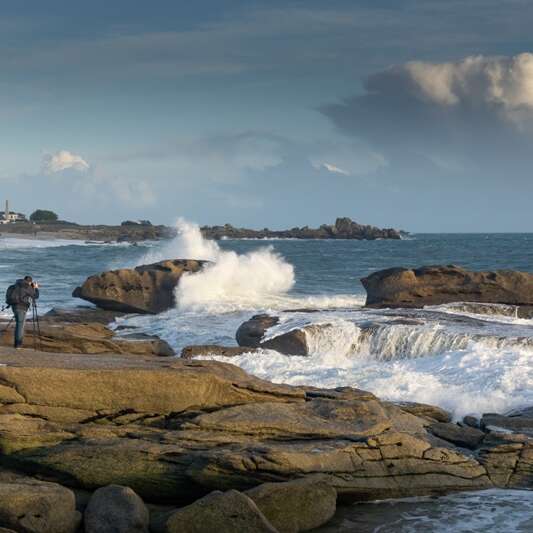
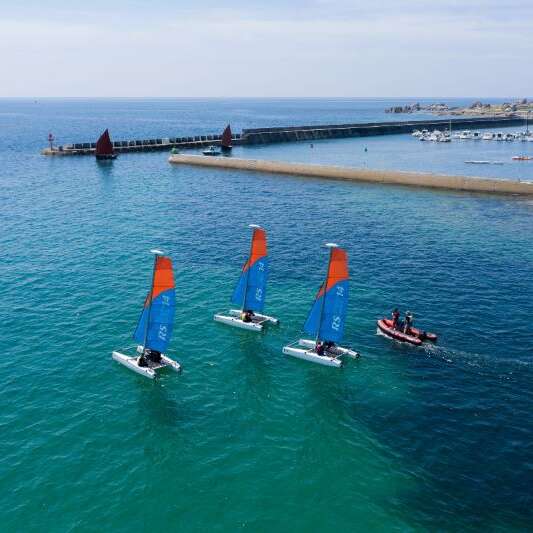
Next door, the nautical centre offers activities for all ages. Here, the sea is all around you, offering you the best of itself. Lesconil is a wild ocean bordered by extraordinary rocks to the west. The walk to the Goudoul rocks will get your imagination going, and that of your children…

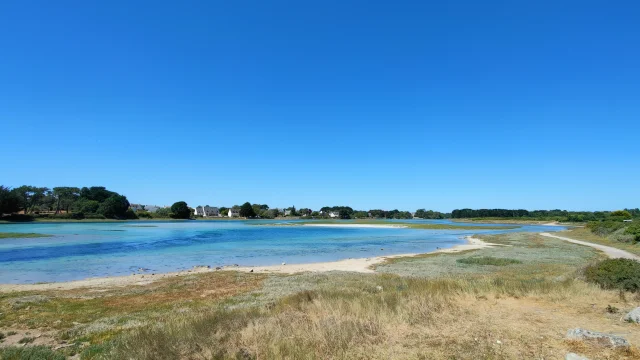
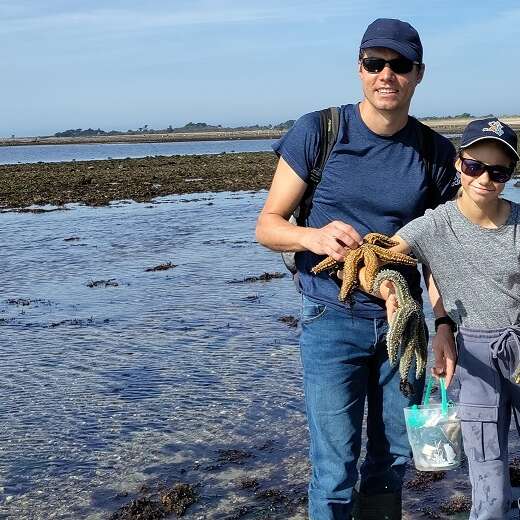
To the east, the sea seeps inland via the ria du Ster. This time, the walk becomes an ornithological discovery, as the tides cover and uncover the arm of the sea in which unique vegetation thrives.

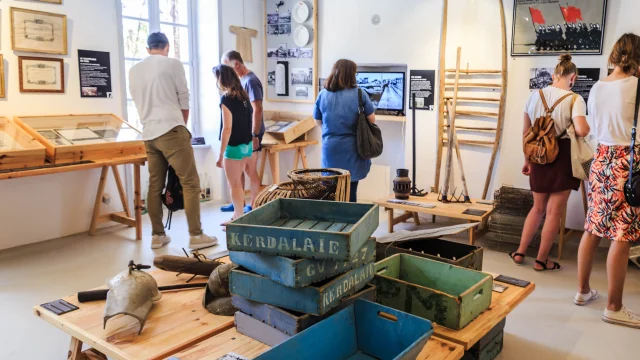
The Le Cœur site completes this chapter. Opening in 2019, it tells the story of a former shipyard in the heart of the town, in the style of an eco-museum. In the port, heritage boats are the pride of the enthusiasts who restore them.

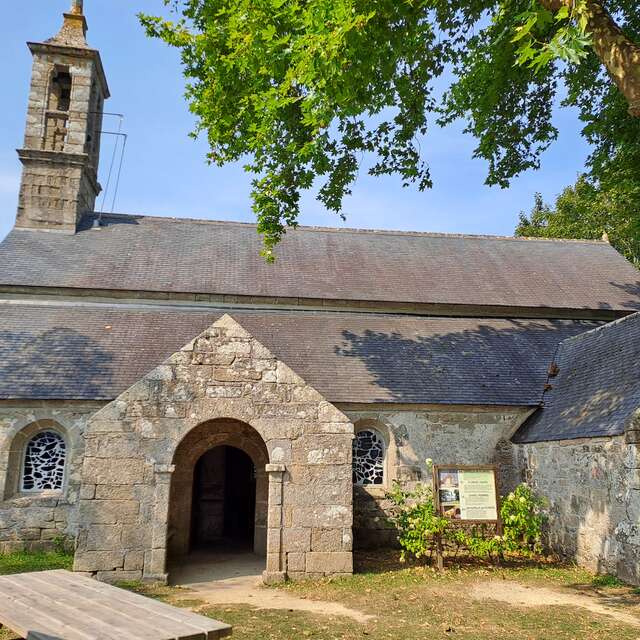
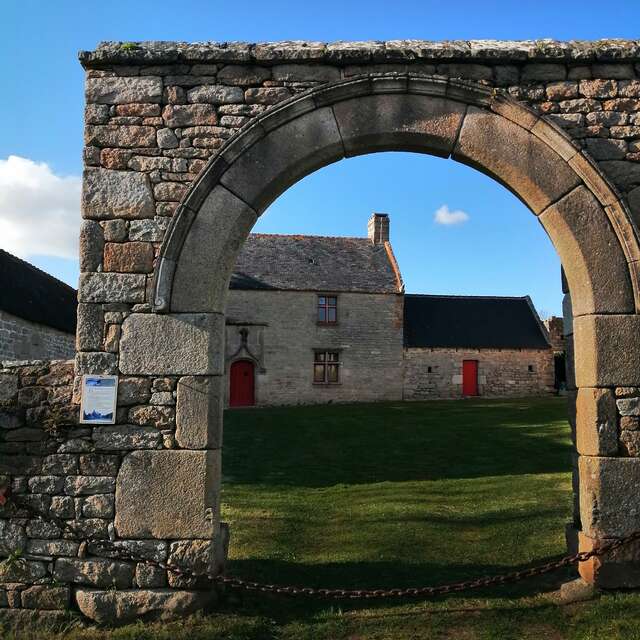
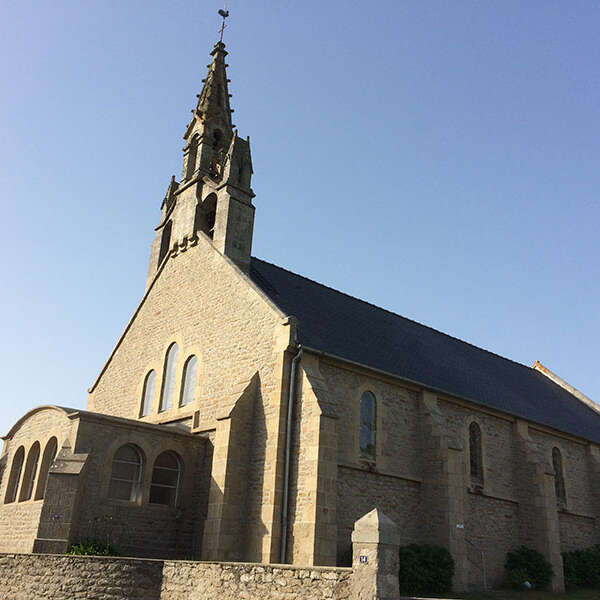
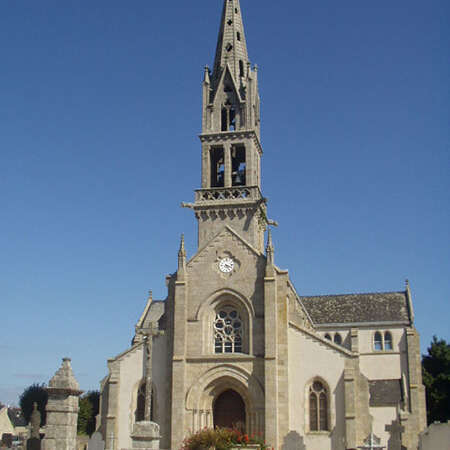
At every turn, the heritage evokes a past that dates back to prehistoric times! Megaliths, churches and chapels, manor houses, lighthouses, semaphore and wash-houses are all dotted around this region that loves to pass on its heritage.

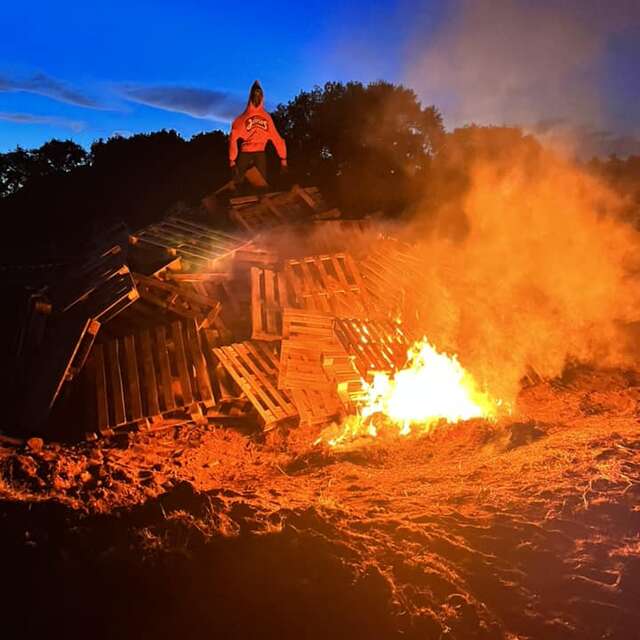
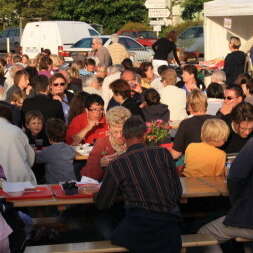
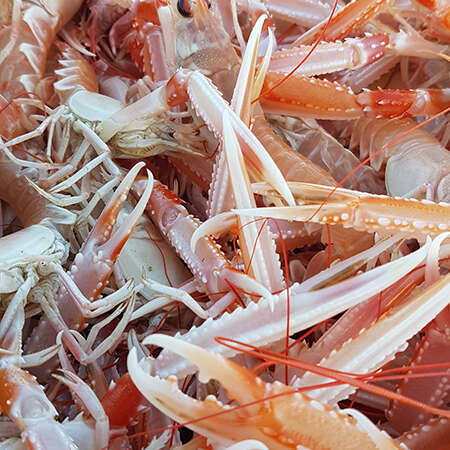
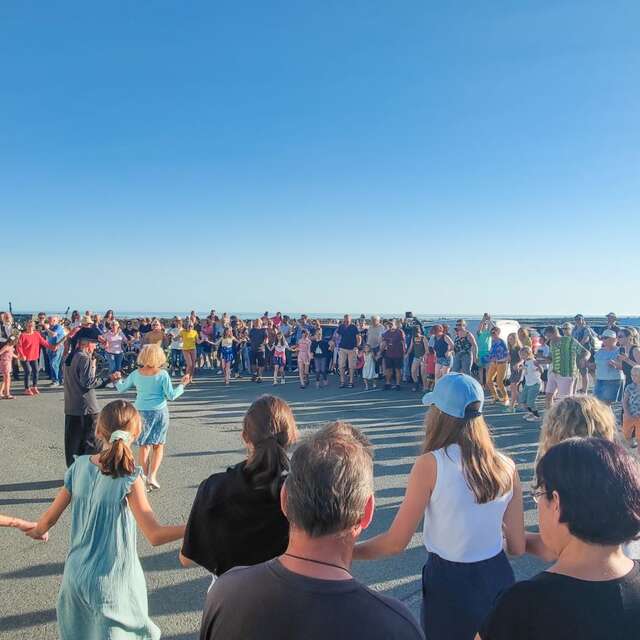
Last but not least, one of the town’s highlights takes place every year at the beginning of August: the Langoustine Festival! On the programme: maritime entertainment, langoustine tasting, concerts, fireworks, etc.
The must-haves

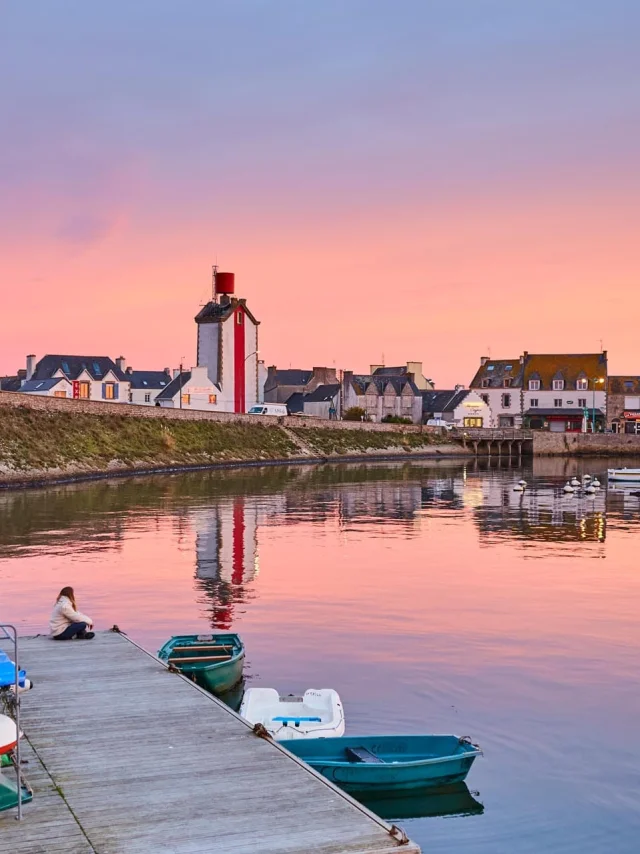
Lesconil enjoys a natural shelter at the mouth of the ria du Ster.
In 1720, the port had just one longboat, and it wasn’t until the mid-19th century that it turned to fishing. A lifeboat station was set up, followed by a fishmonger and two canning factories.

From the early 20th century until 1950, the port and Ster were home to many misainiers, the typical boats used for fishing.

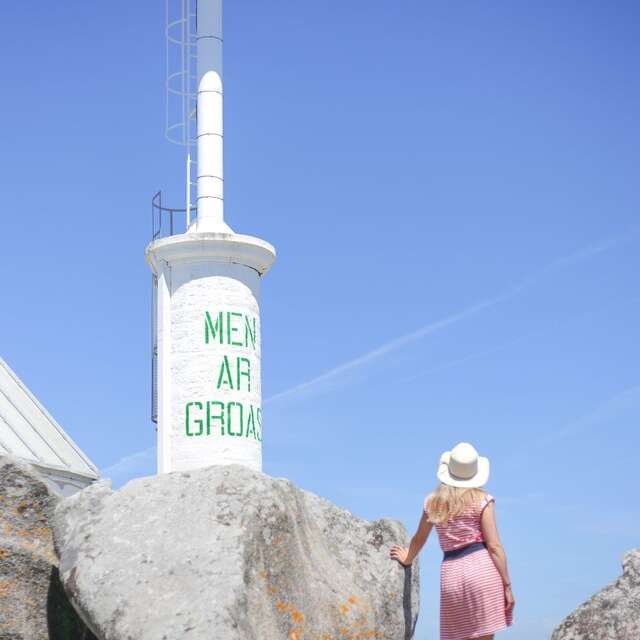
Our favourite spots are the Men Ar Groas lighthouse and the Langoguen cove and its fishermen’s cottages.

Opened in 1905, this workshop has built countless pinnaces, malamocks, foresail canoes and other craft.

With customers coming from all over Finistère, the shipyard focused mainly on fishing boats. This place of life and work is now a museum open to the public.The Chantier le Cœur is a reconstruction of the shipyard as it was on its first day.

The exhibition spaces were designed by theBag Leskon association, which holds a large collection of objects, tools and equipment from the shipyard and the port of Lesconil.

Theexhibition presents six themes: shipbuilding, fishing, canning and seaweed, the lifeboat station, daily life in Lesconil and the Bag Leskon association.

Meet the granite figures that line the GR©34 between Lesconil and Léchiagat.
The “Karreg Kreiz” is a conglomerate of rocks that will appeal to your imagination. Here, “the priest’s chair”, “the tortoise” and “the rabbit” all met thousands of years ago.

Finally, this walk along the GR©34 will take you to the “white elephant” rock.

At the bend in the road, mysterious stones greet you in Plobannalec. These are the menhirs of Kervadol and the necropolis of Quelarn.

These two sites, nestling in a green setting, are well worth a visit for their beauty and the calm, mysterious atmosphere they exude. Quelarn is a group of 6 Neolithic burials (3500 BC) with compartmentalised chambers and an access corridor, once covered by a stone tumulus.

The Kervadol site, also dating from the Neolithic period, comprises two burials around twenty metres apart, buried in a mound 60 metres in diameter.

The site has been listed as a Historic Monument since 1922.

The ria du Ster is a small river that rises in the neighbouring commune of Plomeur.

The Ster reaches far inland, offering a walk that combines land, sea, river, rocks, sand and sediment.

Follow the path on the east side of the Ster and keep your eyes and ears open for seagulls, egrets, curlews, herons and sandpipers that meet at different times of the tide.

To find out more...

Visit the website of theassociation “Pierres et paysages, Patrimoine de Plobannalec-Lesconil”, in charge of listing and photographing the various heritage features of the commune:

A community on show...

Exhibitions are held throughout the town:

  • Le Temple des arts: this was originally a Protestant temple built in 1912 by the Welsh Methodist Presbyterian Mission. In 2017, the Town Hall gave it an artistic vocation by making it the commune’s exhibition hall.
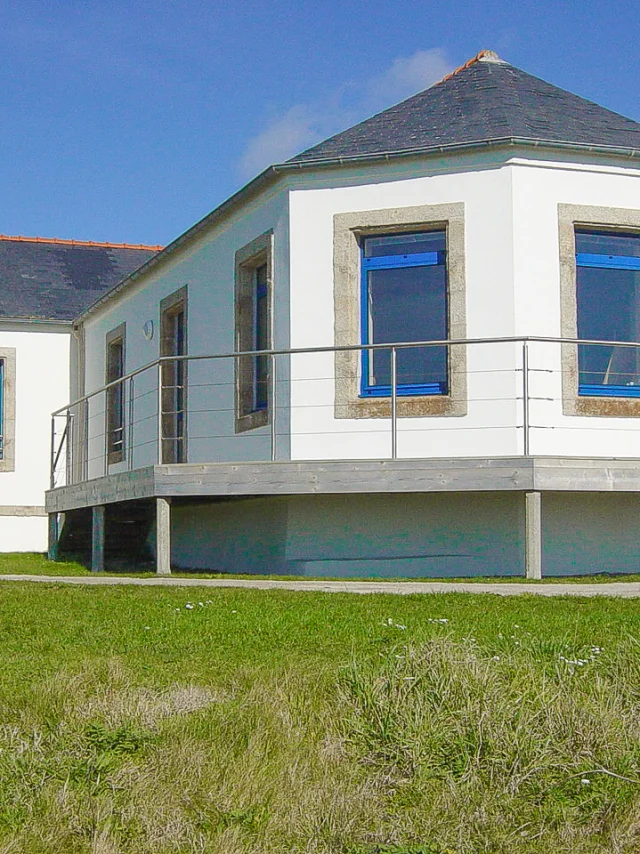
  • The semaphore: its function was to monitor the coastline and provide sailors with information about the weather. The first semaphore was built in 1804 and put into service in 1806. Until 1920, it was the only building in the commune to receive telephone and telegraph services. In 1930, a new concrete sea wall was built to test the speed of military and merchant ships. From 1939 to 1945, the German army took possession of the site. Shortly after the war, the semaphore ceased all activity. Today, it is a unique exhibition venue!
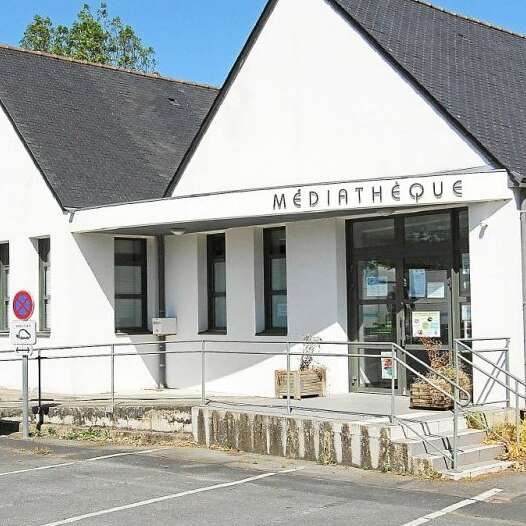
  • The media library: several exhibitions are held here every year.

FAQ

Continue on your way in the Bigouden region