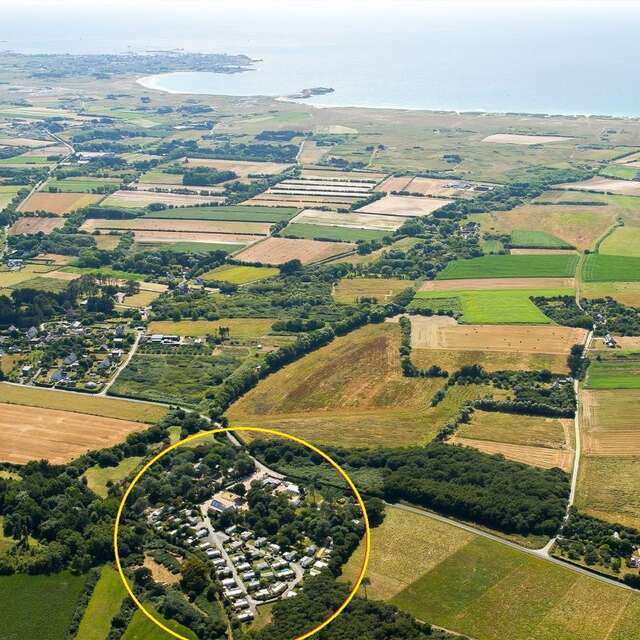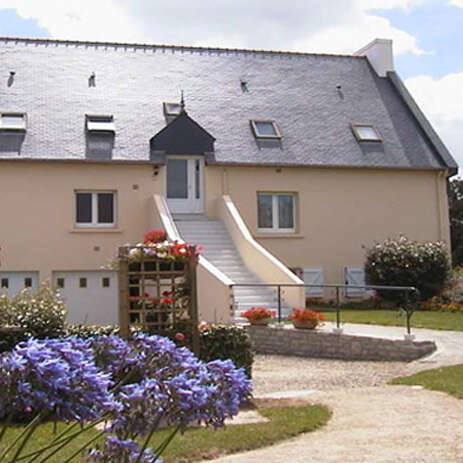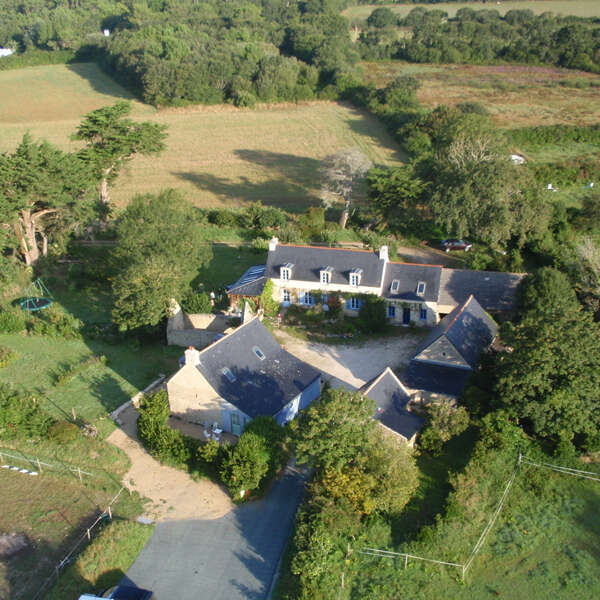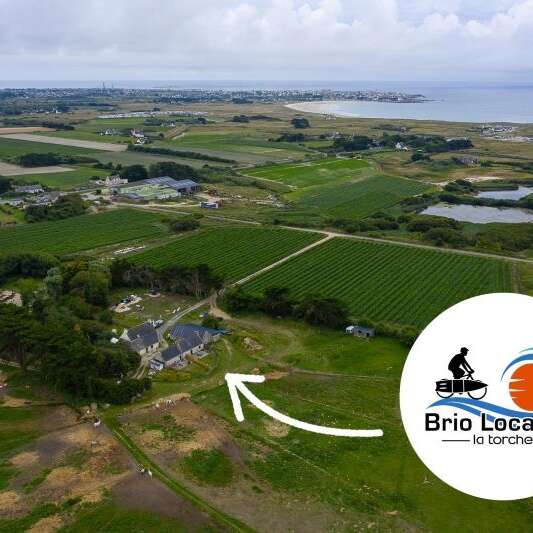
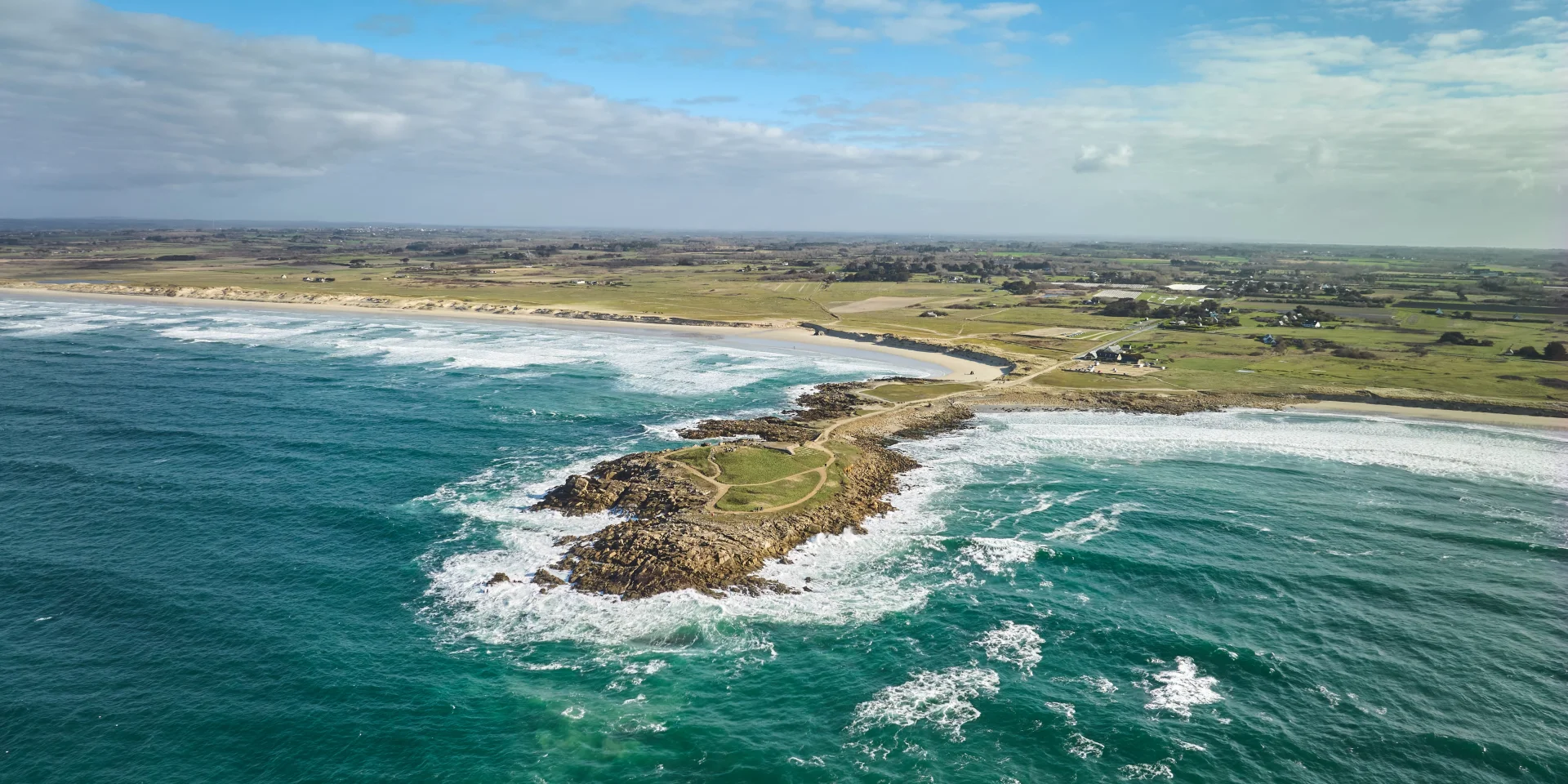
Pointe De La Torche - Plomeur - drone viewPointe De La Torche - Plomeur - drone view
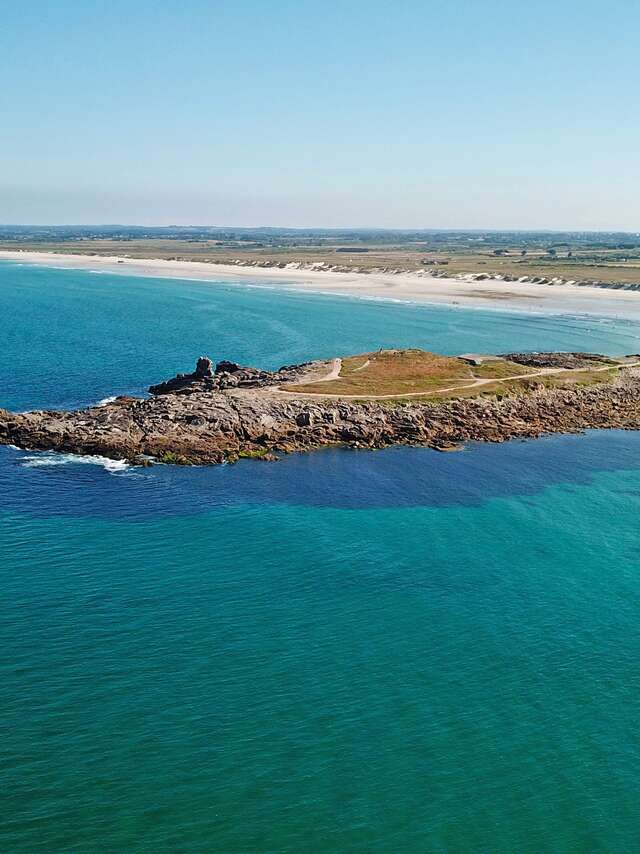
©Pointe De La Torche - Plomeur - drone view |A. Lamoureux
Plomeur La Torche

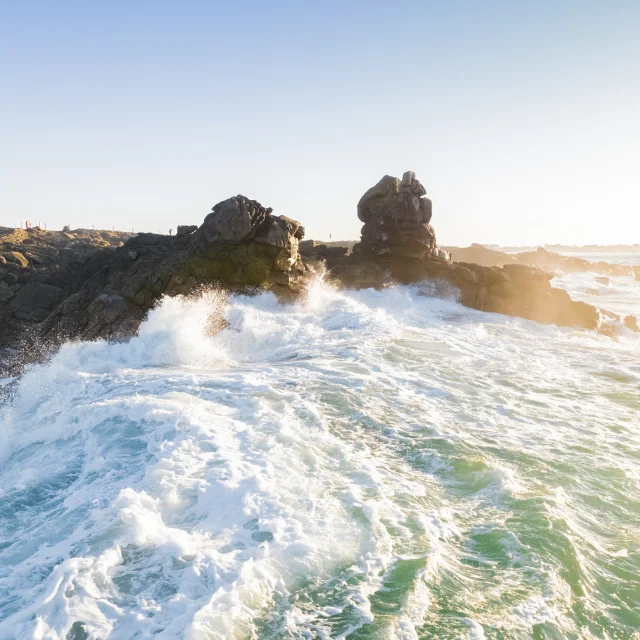
The emblematic Pointe de La Torche forms the southern tip of the magnificent Bay of Audierne. Here at La Torche, surfing is king! Plomeur also boasts pleasant countryside and a number of heritage treasures, including chapels and megaliths.

Getting there

A "Surf Town" label and a cultural offering

Plomeur is a village with avery long history. From prehistoric times to the Red Bonnet uprising, the town has preserved many traces of its past.

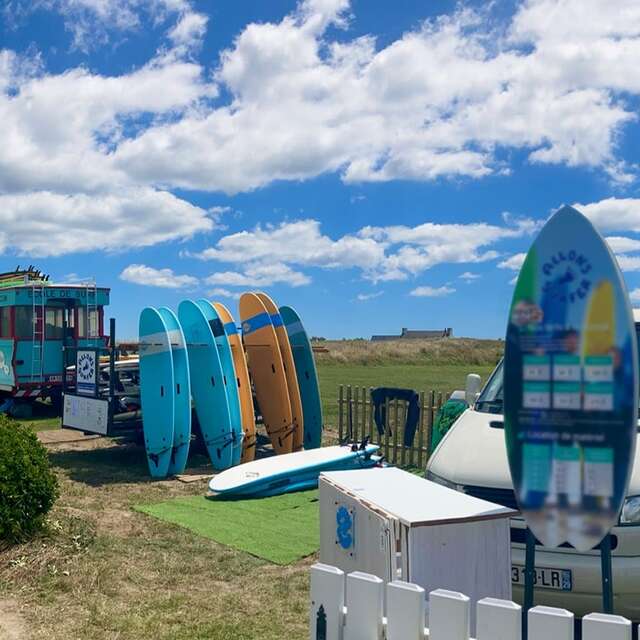
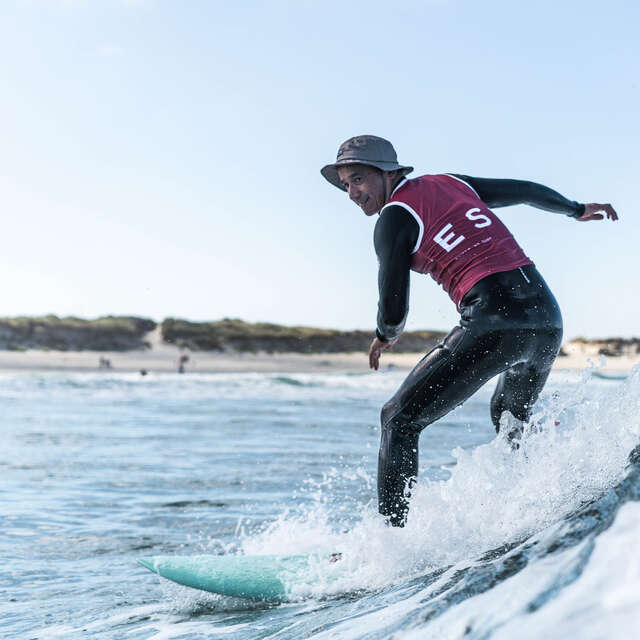
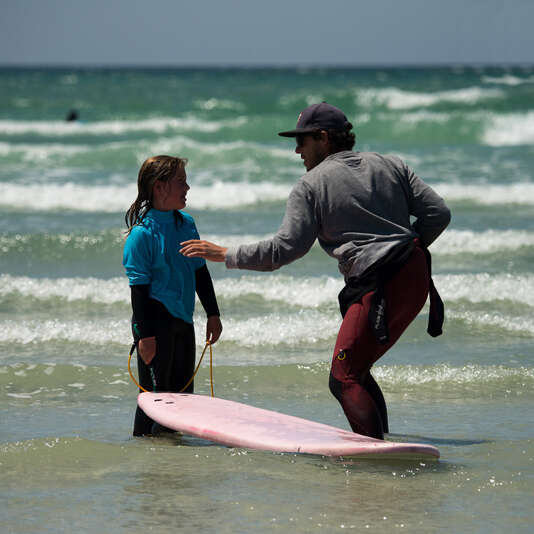
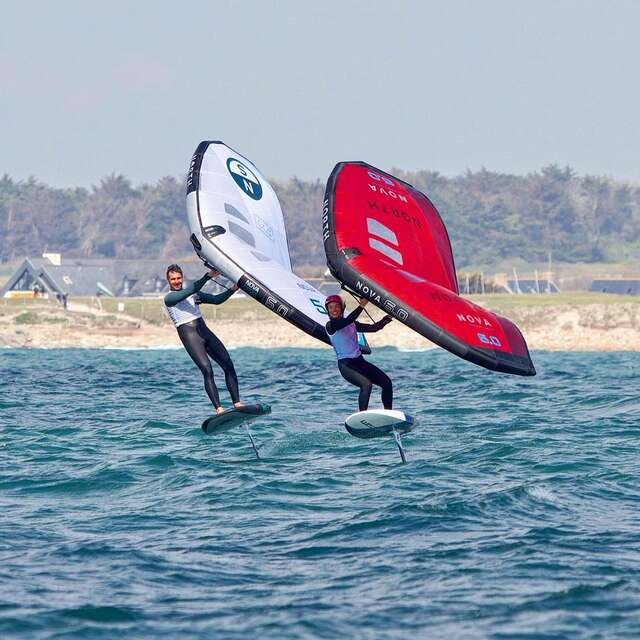
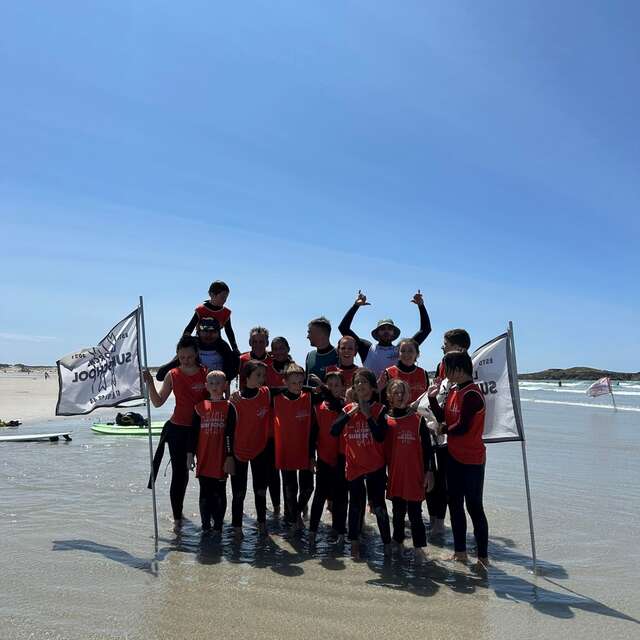
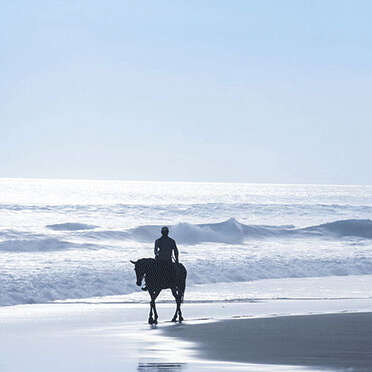
Above all, Plomeur is the surfing destination of the Bigouden region. Its famous spot at La Torche was first known for windsurfing, then for surfing. Hundreds of surfing professionals and athletes have already tackled its waves. The spot is therefore ideal for both experienced surfers and beginners accompanied by a surf school instructor.

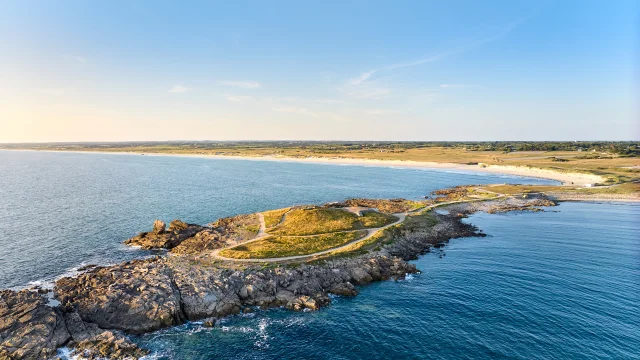
But before being a surfing beach, La Torche is first and foremost a headland. A listed natural site since 1965, this rocky promontory jutting out into the ocean is the best choice for admiring a sunset. In fact, it’s the only headland in the southernmost bay of Audierne.

If the waves leave you speechless, but the past speaks to you, head to the top of the headland. A covered walkway, listed as a Historic Monument, tells the story of its distant past.

The must-haves

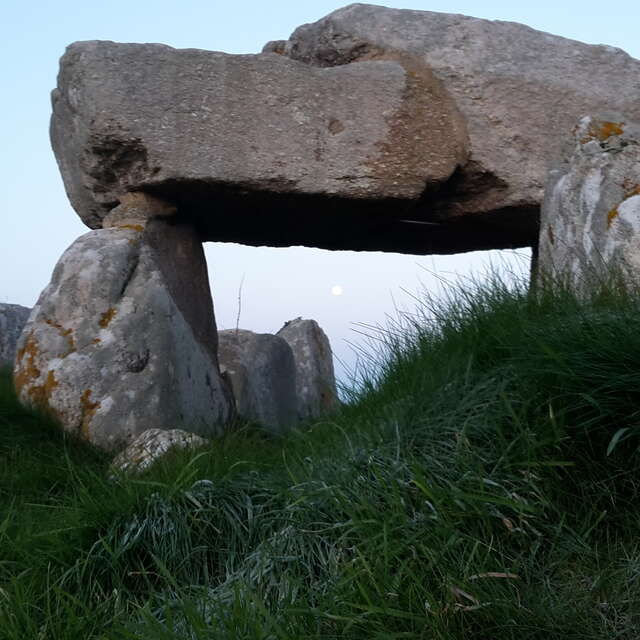
Beg an Dorchenn or the Pointe de La Torche, is a peninsula separating the Bay of Audierne (to the north) from the cove of Pors Carn (to the south). Approximately 500 m long and 100 m wide, the peninsula rises to a mound 16 m high on which rest a tumulus and a dolmen.

It’s the Breton surfing spot par excellence and also a great viewpoint over the 15km bay of Audierne.

Be sure to follow the paths to preserve this exceptional natural environment!

There are several megalithic sites scattered around the area:

  • Beg An Dorchenn: standing at the top of the Pointe de La Torche for 6,000 years, this dolmen is a must-see. Human bones dating back to the Neolithic period have been found here.
  • Alignements de Lestriguiou: At the beginning of the 19th century, this site contained more than 600 menhirs. Imagine them spread over 1 km, in 4 rows. Their orientation was that of the sunrise at the winter solstice. Today, around fifty menhirs remain, having survived the looting of the past. (Follow the signs for the Chapelle de la Madeleine in Penmarc’h)
  • Dolmen de Kerugou: It was here, in 1876, that pottery of a particular type was first discovered, and has since been known as the “Kerugou style”. This type of pottery was widespread in southern Brittany around 3,000 BC, and is characterised by its vertical ribbed decoration. The T-shaped dolmen has a corridor and a compartmentalised chamber.
  • Kerfland menhirs: an alignment of three menhirs facing north-south. Flints were found during excavations.

There are manyblockhouses dating from the Second World War in the Bigouden region.

The Pointe de La Torche, an ideal guard post, has several, including a remarkable one at the top of its mound. Other smaller reinforced concrete blocks are scattered along the beach to the right.

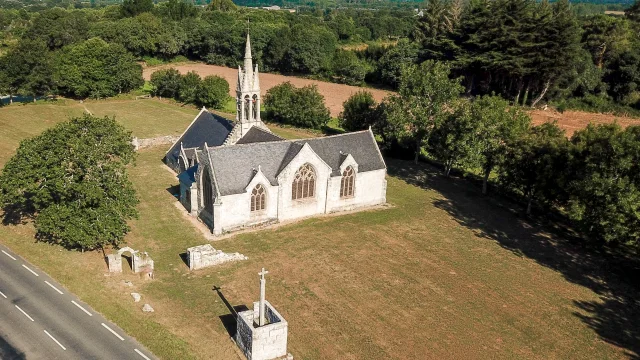
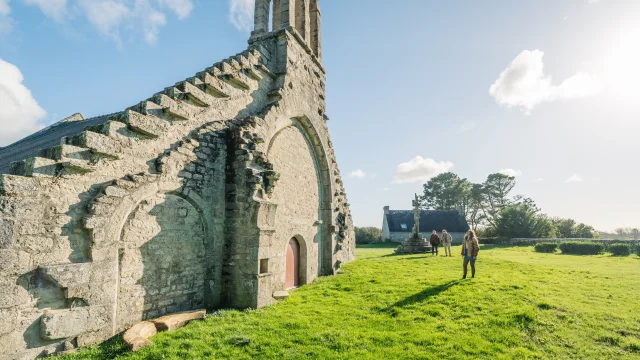
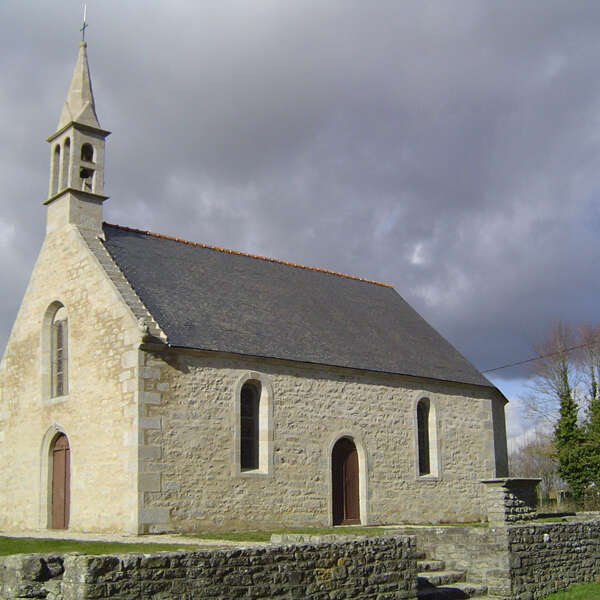
Nestling in a rural bocage, the building dates back to the 13th century. The exterior pulpit is surmounted by a very old cross. Inside, there are a number of statues dating from the 16th and 17th centuries.

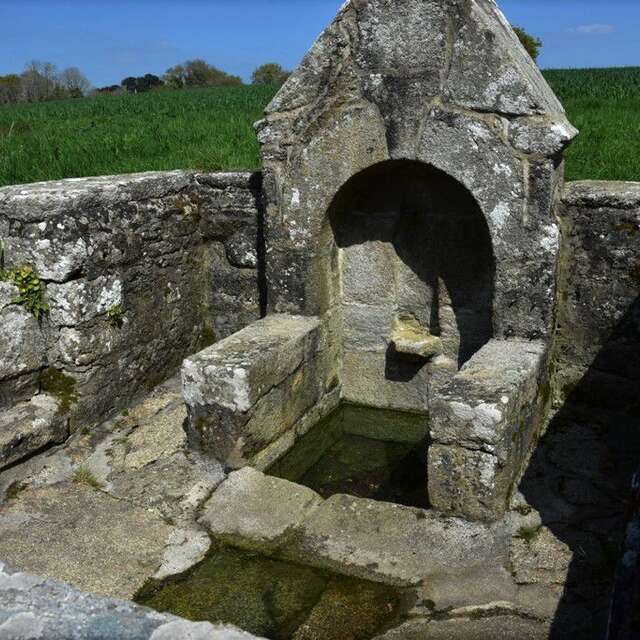
In 1675, Tréminou was a focal point of the Red Bonnet Revolt. The fountain is in Lestreminou, 500 metres to the south. To the west, 150 metres from the chapel, on a slope, an Iron Age stele bears witness to ancient Celtic cults.

Until the Revolution, “Beuzeg” was a vast parish.

The four-baystained glass window is remarkable. A stained glass window was installed in 2003, depicting Saint Budog (the chapel’s patron saint) and his disciple Saint Gwénolé.

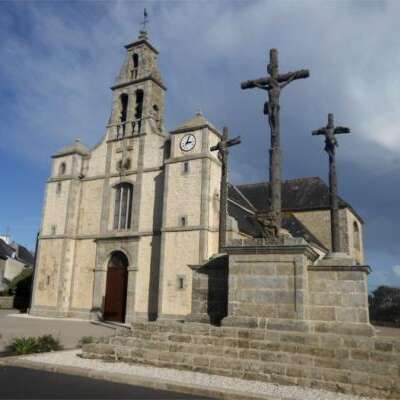
Inside are statues of Pieta and three Gothic virgins dating from the 14th and 15th centuries. The calvary dates from the 16th century and the fountain (500m away) from the 17th century.

The Cap Caval bagad

The Cap Caval bagad from Plomeur has become one of the key players in Breton music, promoting the reputation of the Bigouden region and Brittany throughout the world! The group comprises some sixty musicians, all of whom play the bagpipes, bombard, snare drum and percussion.

Every year, the Cap Caval bagad presents new compositions combining traditional Breton music with contemporary influences.

“Modernising Breton music without sacrificing it” is the challenge it sets itself every year by creating new melodies performed with brio by its musicians.

The bagad has been crowned “champion of Brittany’s bagadoù” on several occasions!

FAQ

Continue on your way in the Bigouden region