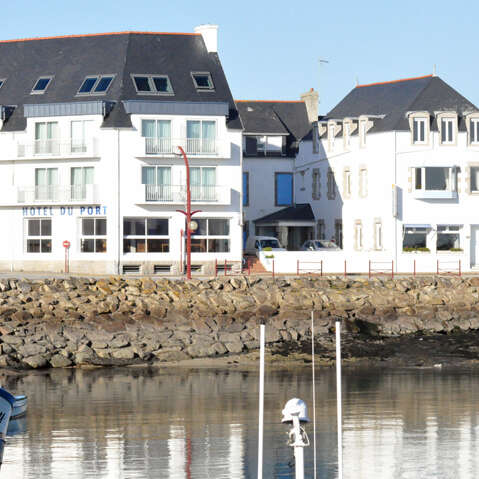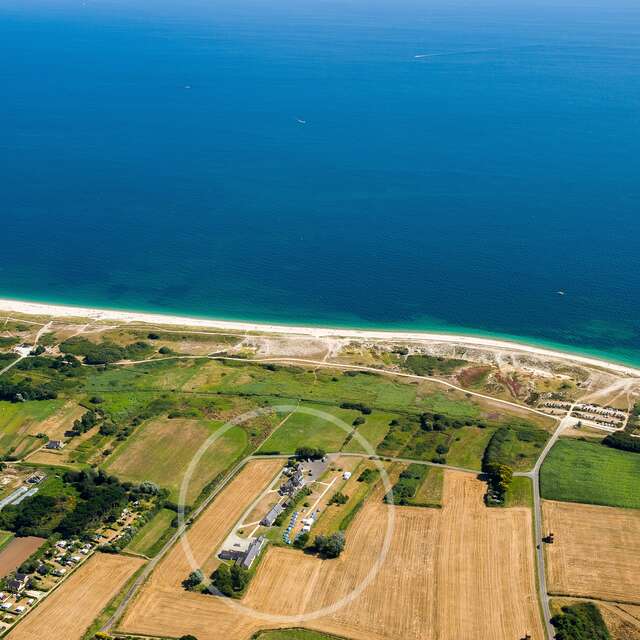
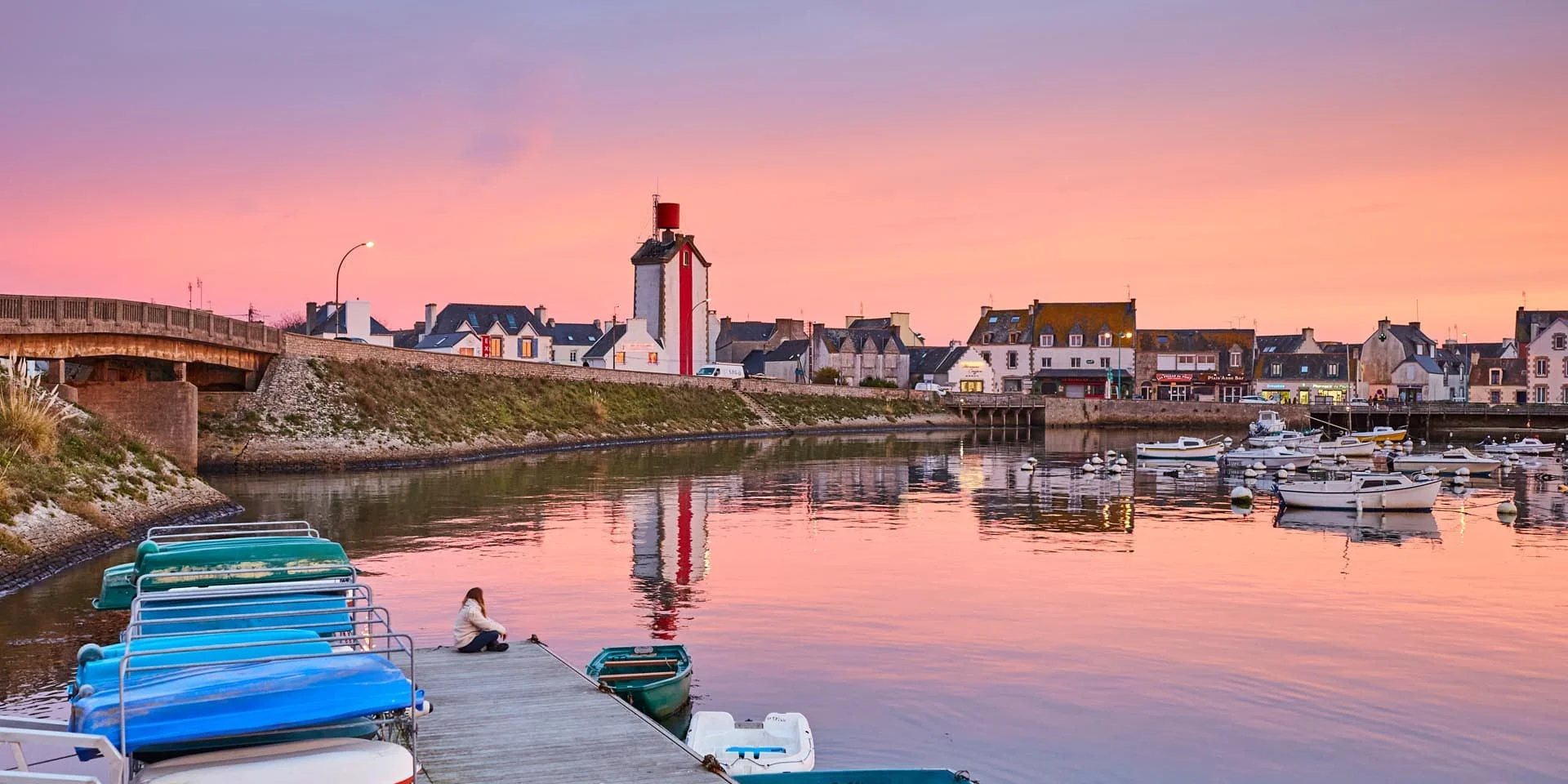
View of the Treffiagat sea wall from Le GuilvinecView of the Treffiagat sea wall from Le Guilvinec
©View of the Treffiagat sea wall from Le Guilvinec|A. Lamoureux
Treffiagat

Treffiagat

Ajouter aux favoris

A typical fishing village, Treffiagat shares its harbour with Le Guilvinec. As a result, the town is a popular destination for fishermen and offers some beautiful beaches along its coastline.

Getting there

Facing the open sea

Choosing Treffiagat means choosing a holiday that immerses you in the world of Breton fishing, while discovering the interesting heritage of the hinterland. You can also enjoy a well-deserved break on one of the fine sandy beaches surrounding the commune.

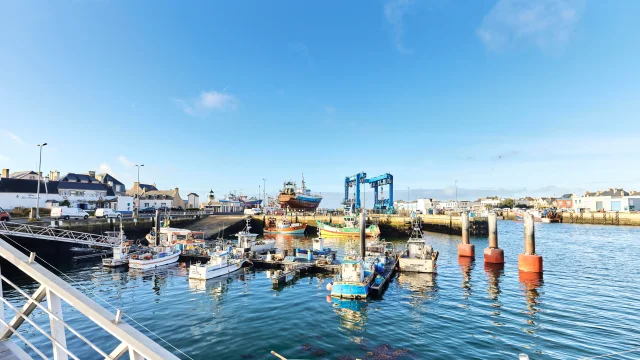
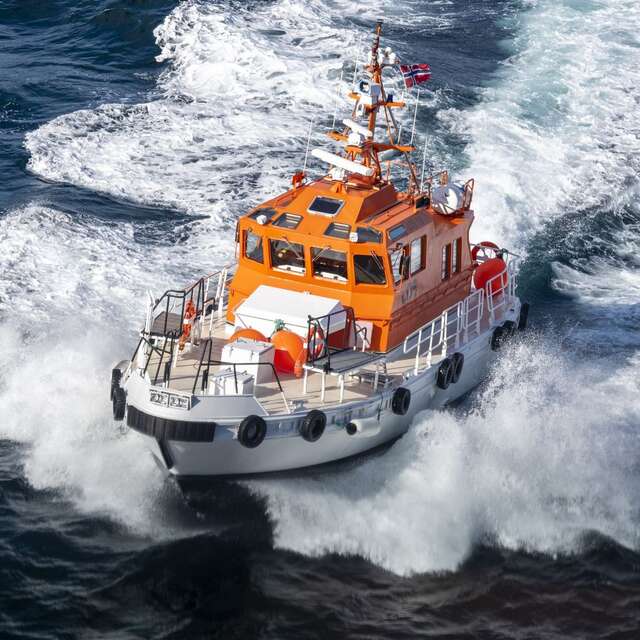
On the harbour side, the typical housesfacing the sea, the quays cluttered with nets, the noises coming from the shipyards and the smell of freshly landed fish… It all adds up to the unique atmosphere of a Breton port.

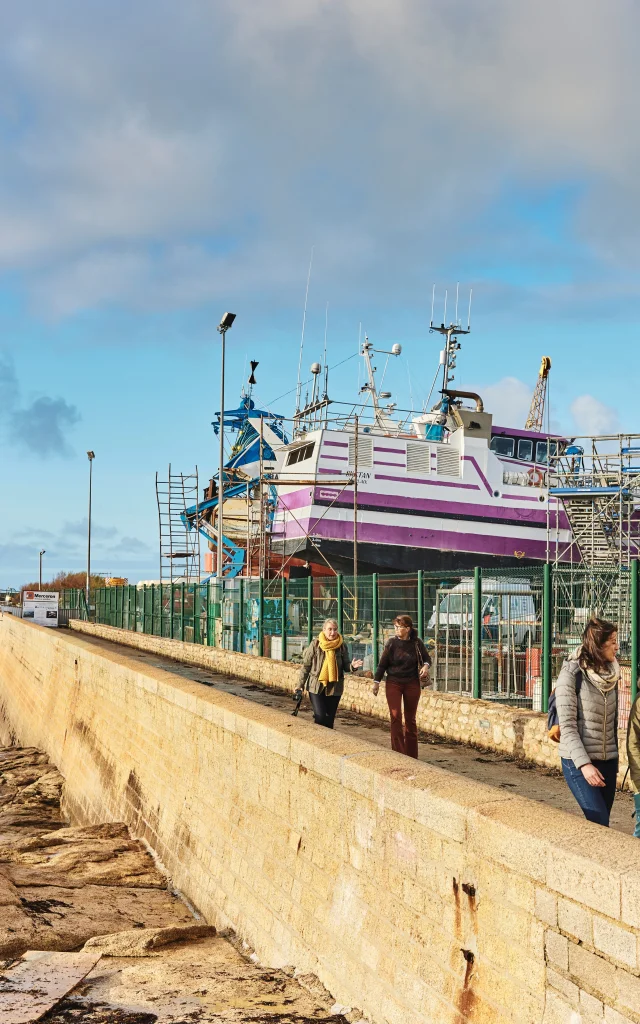
A stroll around the harbour on the Léchiagat side offers a breathtaking and original view of Le Guilvinec… The most impressive feature is the slipway and its 350-tonne boat lift, theship repair and careening area for trawlers. It makes you feel very small when you’re faced with dry hulls!

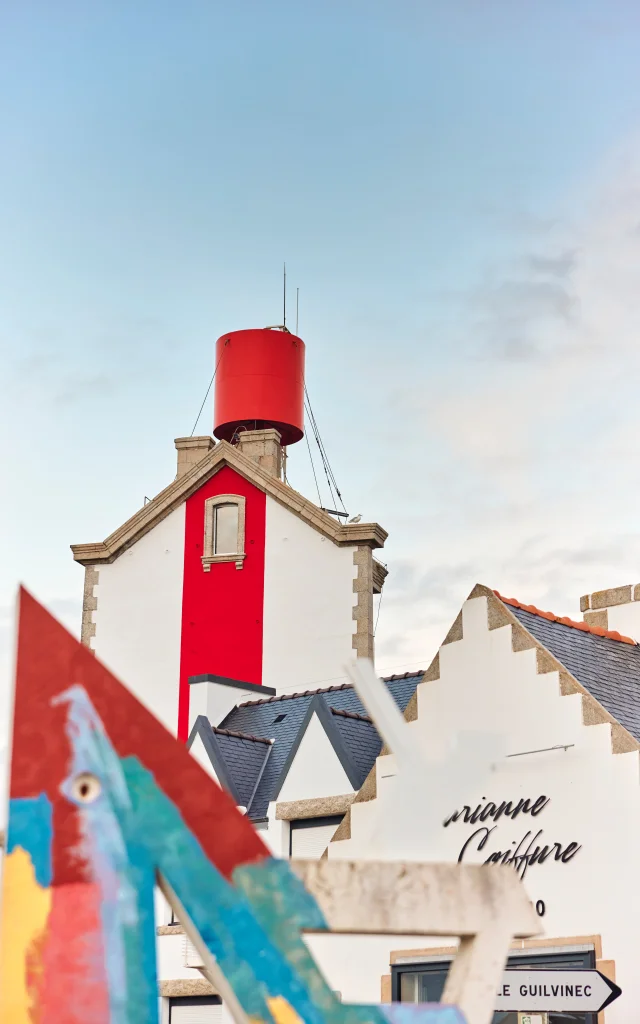
Thelighthouse at Léchiagat, which has become the town’s emblem, is known as the Croas Malo lighthouse and serves as a landmark for sailors, with its long silhouette and red and white cladding.

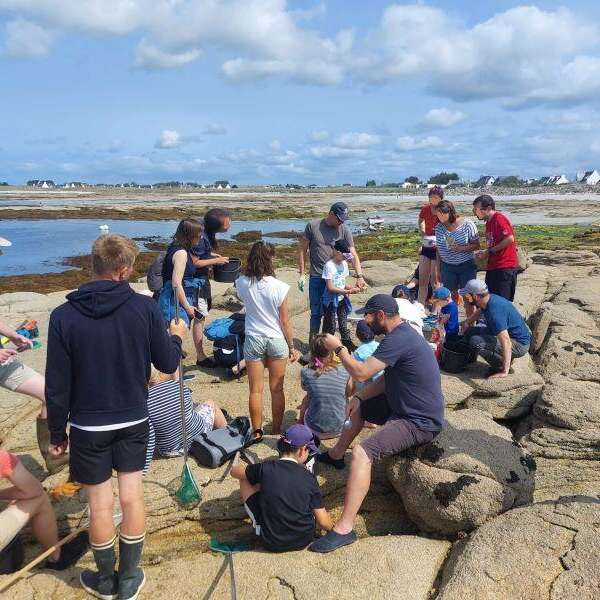
The Treffiagat coastline also boasts some of the finest beaches in the area, with fine sand and rocky outcrops.

Chapels and menhirs complete this heritage discovery.

Treffiagat is also a “well-being” stopover, with a wide range ofrelaxing activities on offer.
The must-haves

In the harbour, you’ll find theboat lift and, just next door, the ships out of the water waiting to be cleaned or repaired.

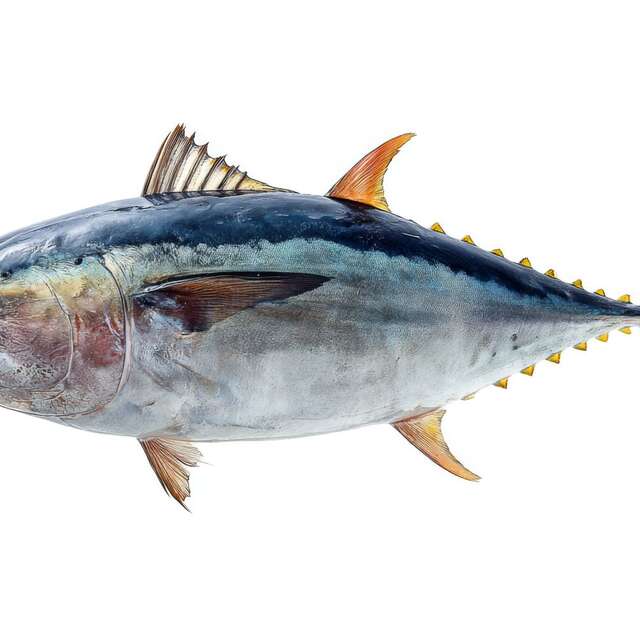
From 4pm (and for about an hour) from Monday to Friday, enjoy the spectacle of the inshore vessels returning from fishing. Deep-sea trawlers arrive every day after several days at sea.

The marina has 298 berths and a pontoon for stopovers, as well as services for yachtsmen.

The Croas Malo traffic light, a red and white emblem, watches over the whole complex.

It is located at the beginning of the promenade of the cale de Faoutès, at the pointe de Léchiagat.

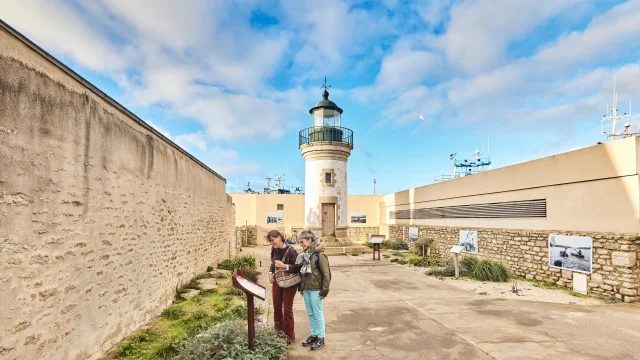
The first lighthouse was built between 1869 and 1870. It is located at the end of the harbour and is 22 metres high, rectangular in shape with a red light. The“little lighthouse“, 6.5 metres high and with a white light, was built at the same time.
Together, they marked the entrance to the channel for a long time. They were commissioned in 1871.

But 30 years later, as more and more houses were being built, the “little lighthouse” of 1871 began to blend in with the houses. The town council therefore decided to build a second lighthouse, this time round and 7.2 metres high, at the end of the enclosure. It was completed in 1902.

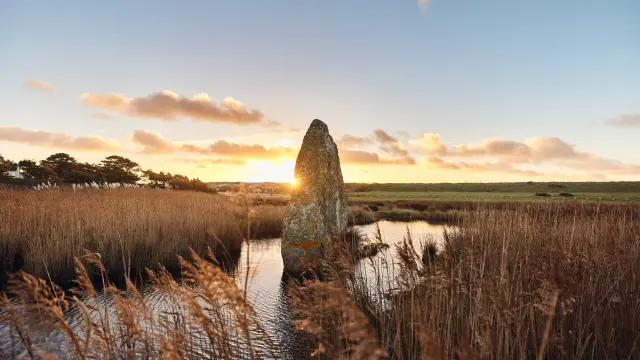
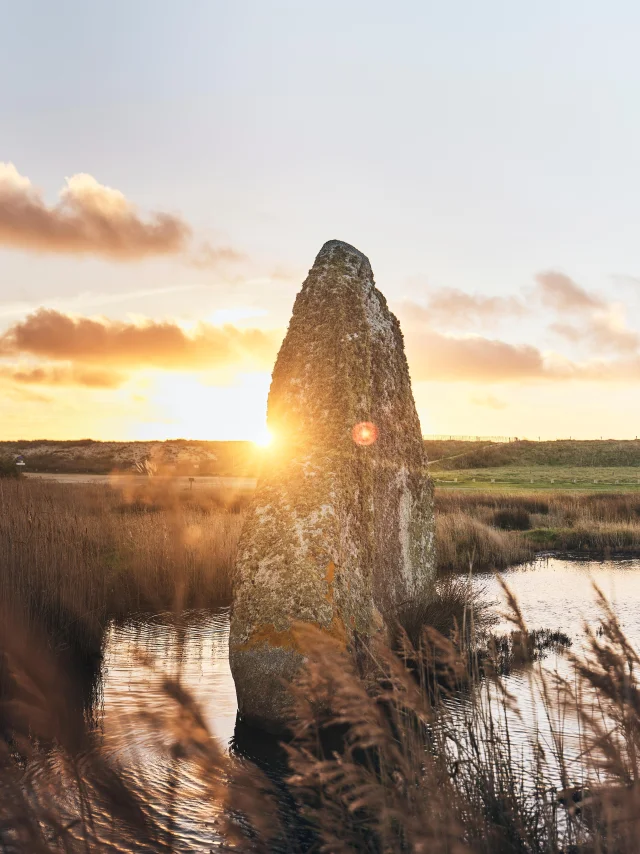
This menhir dates from the Neolithic period (3000 BC) and is located in a pond, behind the coastal dune on the Lehan beach.

This situation is explained by the retreat of the shoreline that has slowly taken place since its erection. Lehan is the name of the neighbouring hamlet, built in the dry on a granite base behind the dune. It would be 8.5 metres high and up to 6 metres wide.
The pond at Lehan has a wealth of bird life (grey herons), as well as a bird observatory and an educational trail.

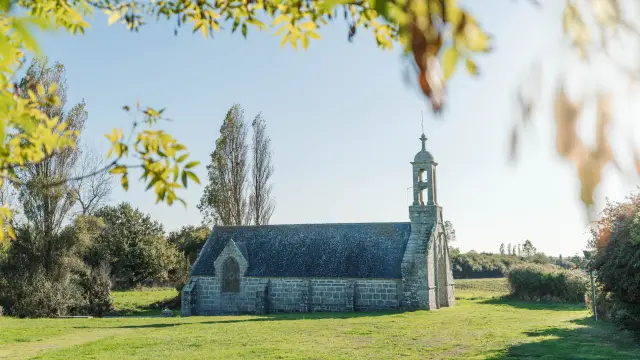
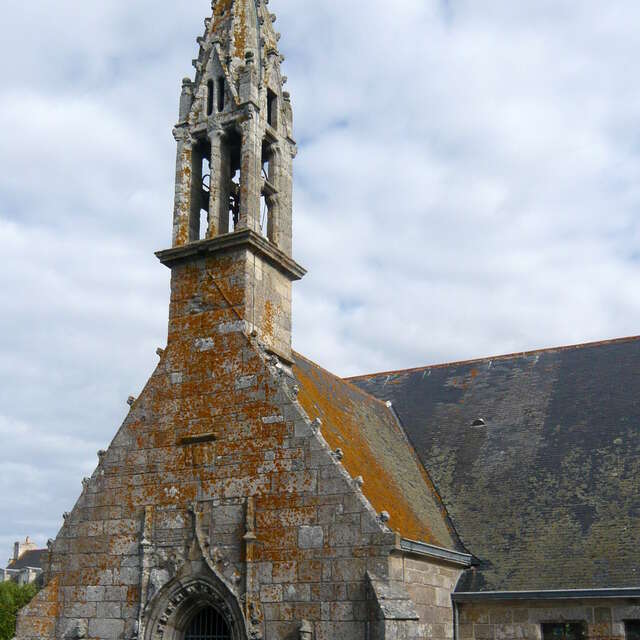
The Saint-Fiacre chapel is in the flamboyantGothic style and dates from the 15th and 16th centuries.

Restored in 1852, it is dedicated to Saint Fiacre, the patron saint of gardeners, florists, tile-makers and taxi drivers. Of Irish origin, he is one of the most popular saints in France!

A stream runs beneath the chapel and feeds the sacred fountain in the east gable. The water from the fountain is reputed to cure whooping cough.
The stained glass window in the choir depicts Saint Fiacre with his spade and bushels of wheat in the background.

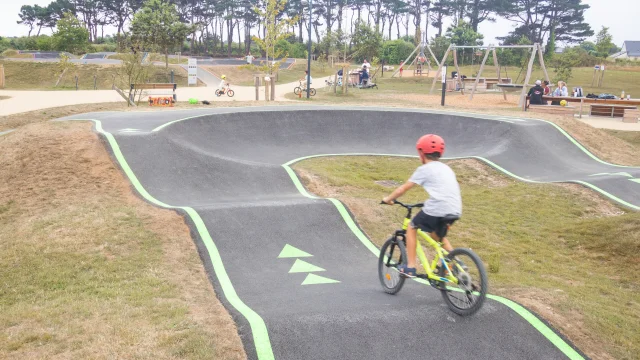
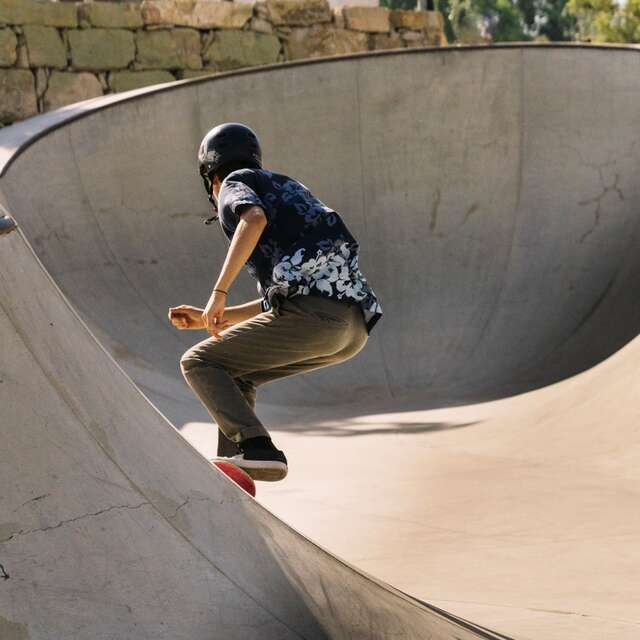
Inaugurated in June 2025, the Espace sportif du Merlot (4 hectares) offers a galochodrome, tennis courts, a multi-sports pitch and two pumptracks (beginner/advanced) for BMX, skateboarding, scootering and rollerblading.

The site also has swings, a children’s ninja course, a zip line and a fitness area for adults.

the menhirs circuit A walk through time

A 7km loop will enable you to discover several elements of this rich heritage.

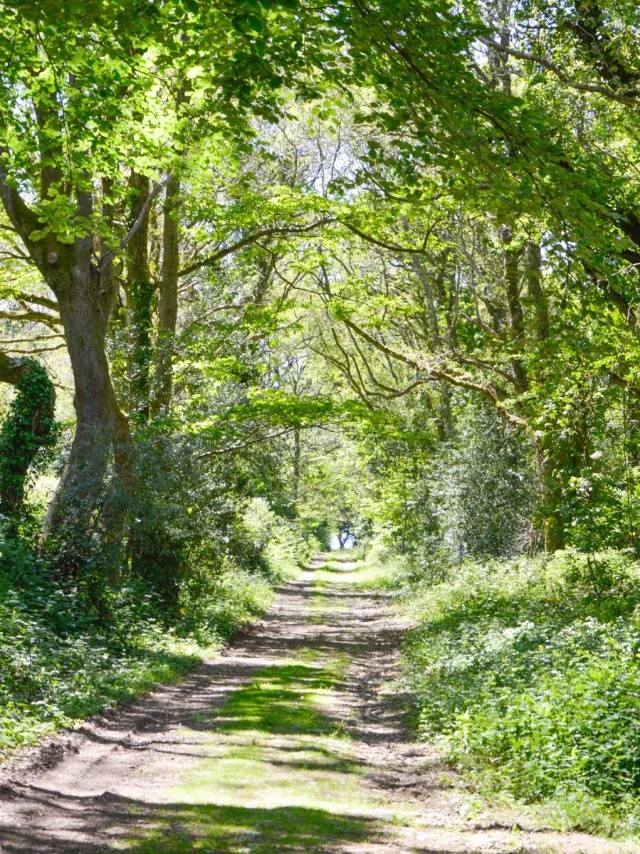
Starting from the beautiful Lehan beach, which faces out to sea, you first walk along the GR® 34 and the coast.

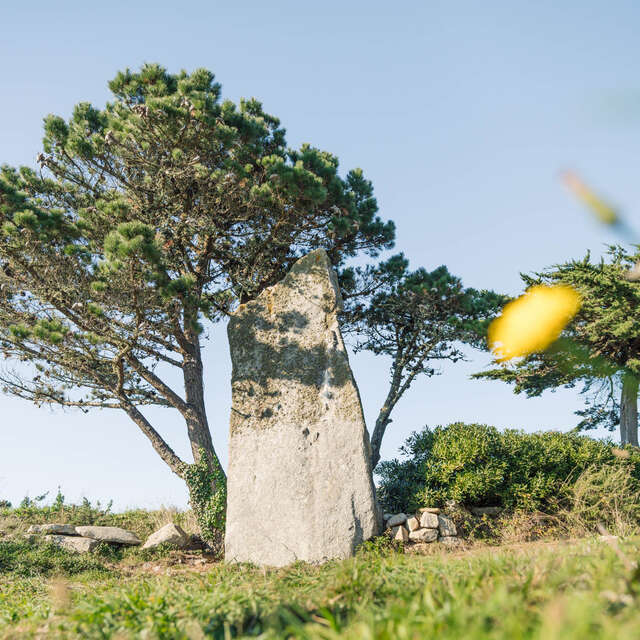
Then follow the yellow signs to the Reun menhir. Erected on granite, this sacred stone dates back to the Neolithic period (3,000 BC) and stands 6 metres high. It is listed as a Historic Monument and is part of a complex that includes a ruined covered walkway camouflaged by moorland.

This area also contains hundreds of petroglyphs, a type of rock engraving with enigmatic meanings, carved into the granitic soil.

Finally, the path goes deeper into the Treffiagat countryside to reach the chapel of Saint-Fiacre, a sacred figure dedicated to gardeners. Inside, the panelled ceiling resembles a ship’s hull, as is sometimes the case in certain Breton chapels. An underground stream feeds the 15th-century fountain set against the chevet wall.

FAQ

Continue on your way in the Bigouden region