©

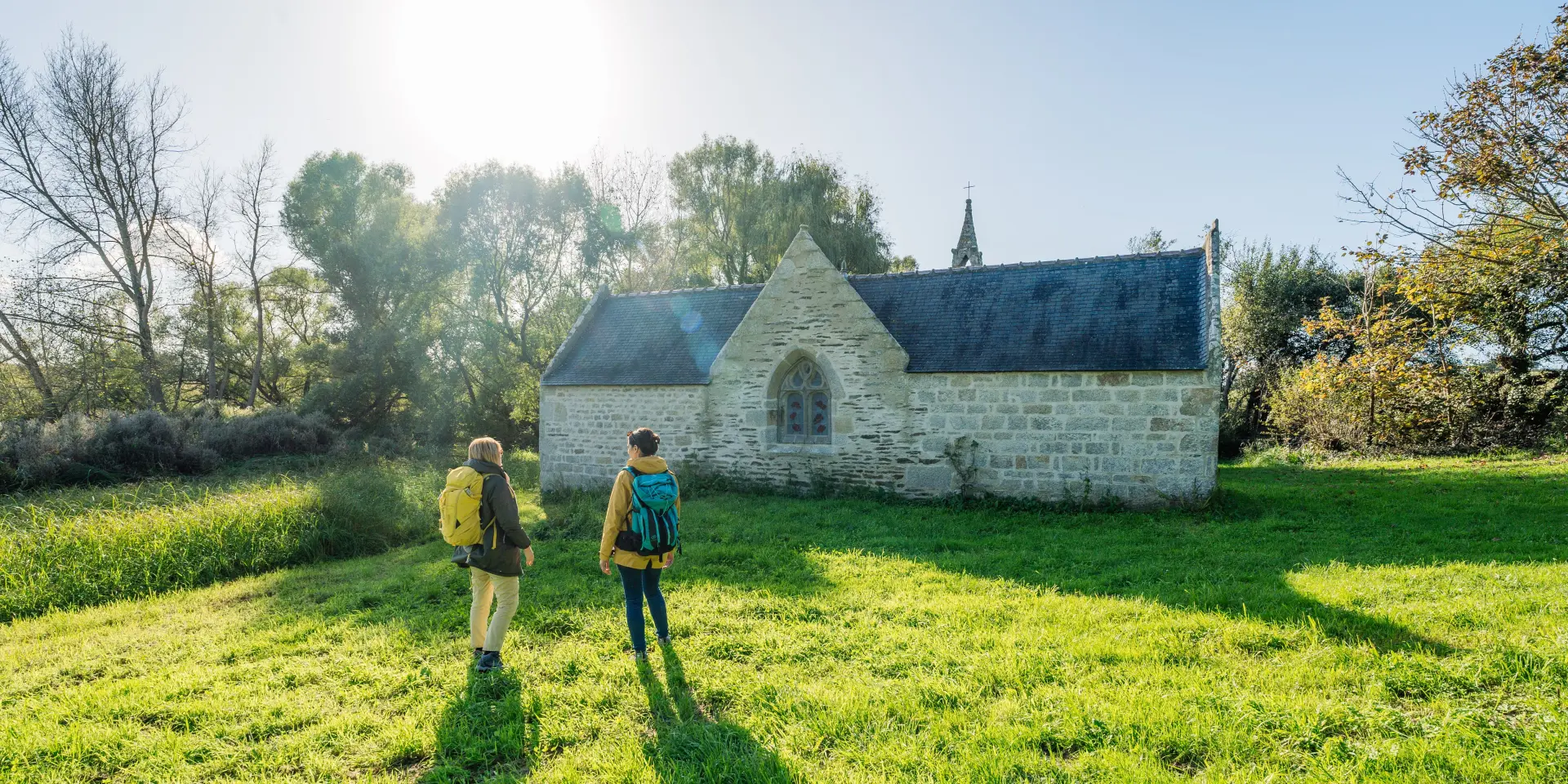
Hike to the Chapelle Saint-Evy - Saint-Jean-Trolimon

|

J. Jehanin

Chapels and churches

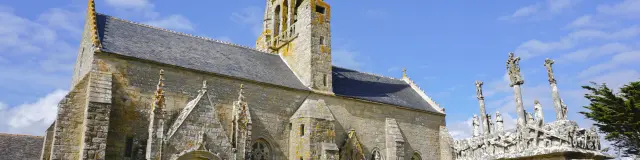
Calvaries, chapels and churches are lasting witnesses to the faith of previous generations. Today, we can push open the door of one of these buildings to admire the statuary, contemplate the stained-glass windows and soak up the serene atmosphere so typical of places of worship.

Faith and the sea

It should not be forgotten that before becoming Christian, Brittany was long under the influence of Celtic and pagan worship. But you only have to count the calvaries and the countless chapels that line the roads to see that Christianity has, in the end, left a profound mark on the landscape.

Our religious buildings have a number of local characteristics: the saints and protective figures venerated here often relate to the maritime world, and the model ships used as votive offerings are a reminder that here, the sea was a source of hope and fear for the people of the time.

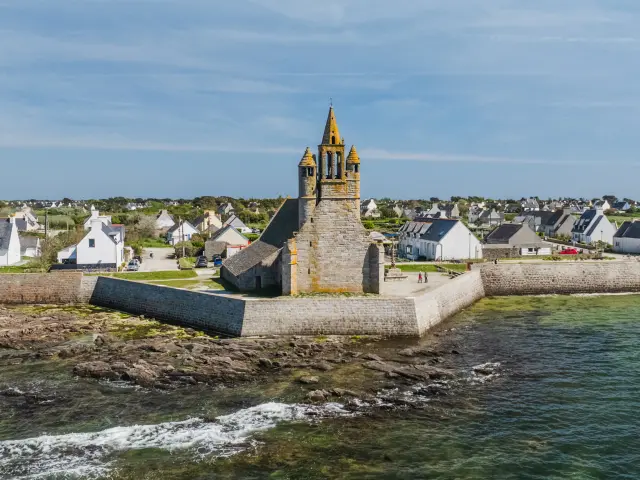
The chapel of Notre-Dame de la Joie, in Penmarc’h is named as a token of gratitude to the Virgin who protected the shipwrecked survivors. A wall protects it from the onslaught of the ocean, but it has to be rebuilt every 30 years.
Bell towers without a cap

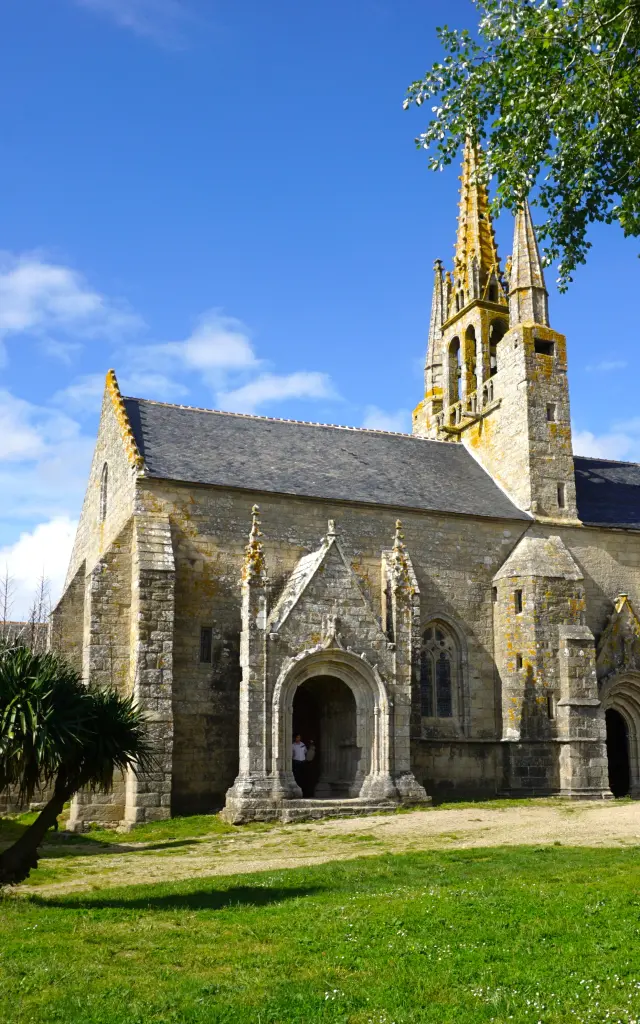
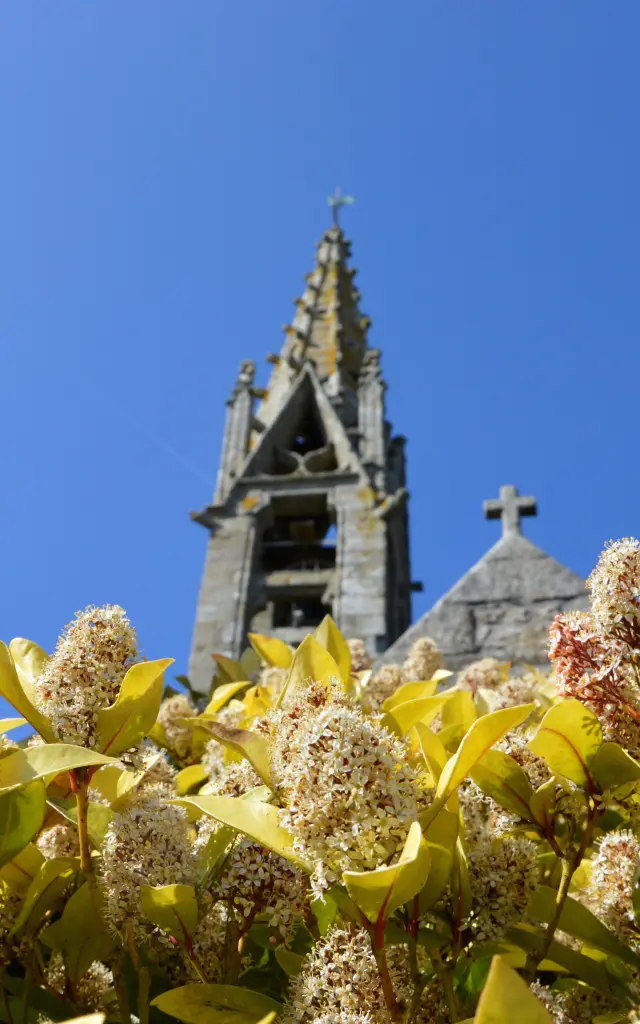
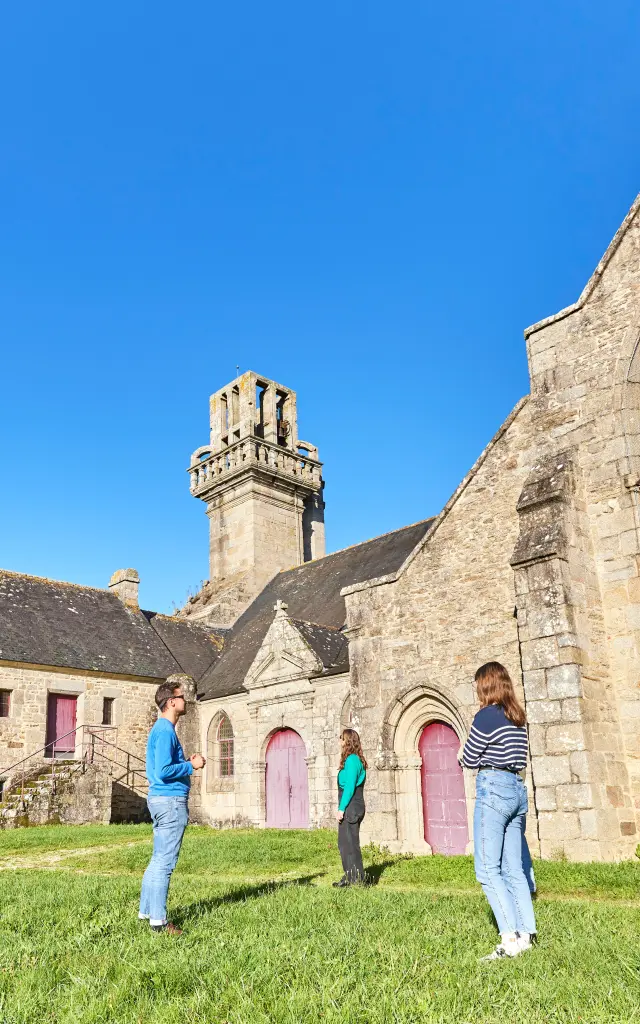
The steeples of some of the churches and chapels in Pays Bigouden have no spire, a curiosity that dates back to the Red Beret revolt in 1675, when six of these buildings were decapitated on the orders of the Duc de Chaulnes, the governor of Brittany.

The churches of Lambour and Saint-Philibert (also known as Lanvern) and the chapel of Languivoa are three buildings whose spires have not been rebuilt.

Of the six buildings whose spires were destroyed, three remain as they were and two have been restored.

This is the case of the church of Saint-Tugdual in Combrit, cradle of the revolt in Pays Bigouden, where the church lost its brand new steeple, which was rebuilt a century after the revolt.

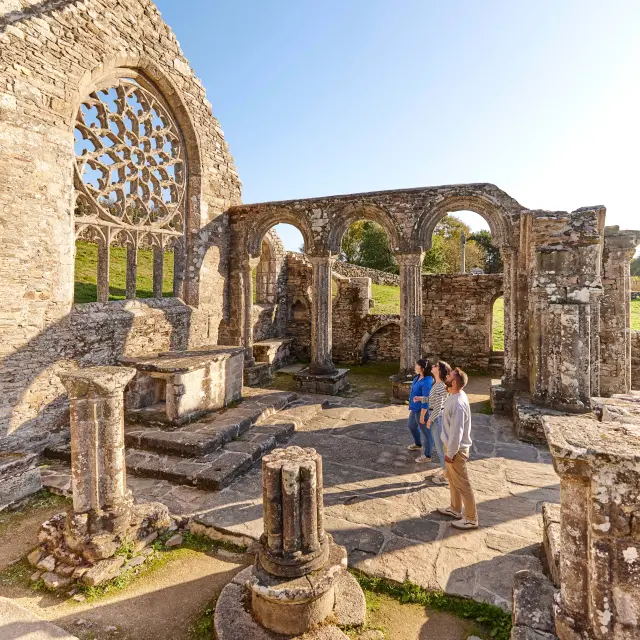
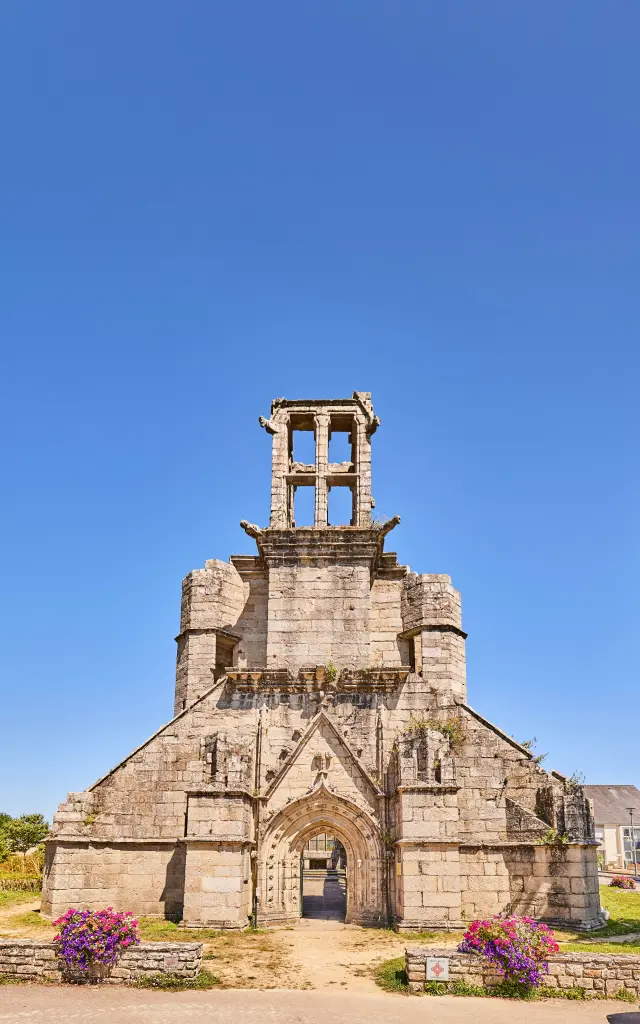
Saint-Honoré Chapel in Plogastel-Saint-Germain is a beautiful ruin lost in the greenery. In the aftermath of the events, the local people offered it a new coronation, but did so discreetly, without the agreement of the King of France.

Finally, there was also a bell tower at Tréguennec, but the original church has since been destroyed.

Beautiful ruins

There are threeruinedbuildings that invite us to nostalgic reflection:

The charm of the old stonework is particularly striking here, with the vegetation quietly creeping through the forgotten soil. The absence of a roof lets the light play with the remains of these once-beautiful structures.

The fountains

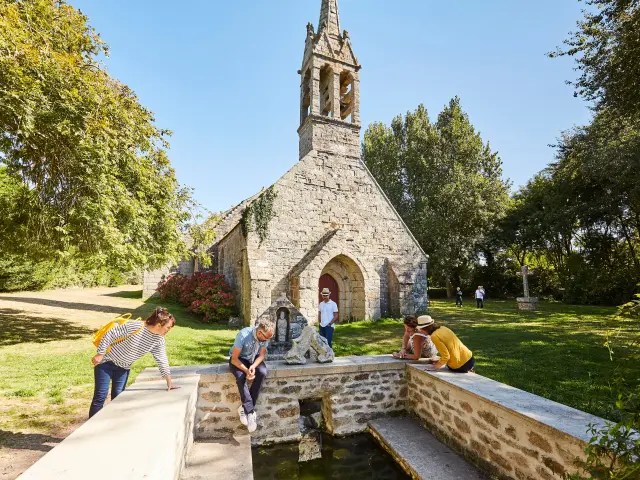
Believed to have sacred or healing properties, fountains were often found in churches and small chapels, or in isolated places along the way.

The injured, the blind and the unfortunate would flock to the miraculous waters in the hope of better days to come. Each fountain was reputed to cure a specific ailment.

As for the wash-houses, they must be dissociated from this religious heritage, as their only magic came from uniting the community of women around the same mission: to look after the laundry of the whole household. The only power of the water in the laundries is to remove stains, so we’re talking about vernacular heritage linked to the customs of the time.

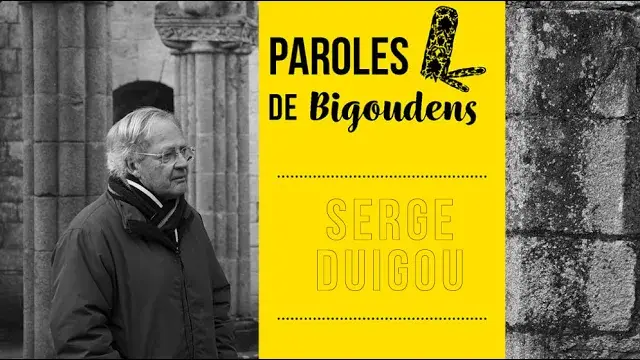
Serge Duigou Historian

Paroles de Bigouden - Serge Duigou

Serge Duigou is a historian. Born in Pont-l’Abbé, he is passionate about the key events in Pays Bigouden, such as the Red Bonnet revolt.

He often gives talks open to the public on various themes.