©

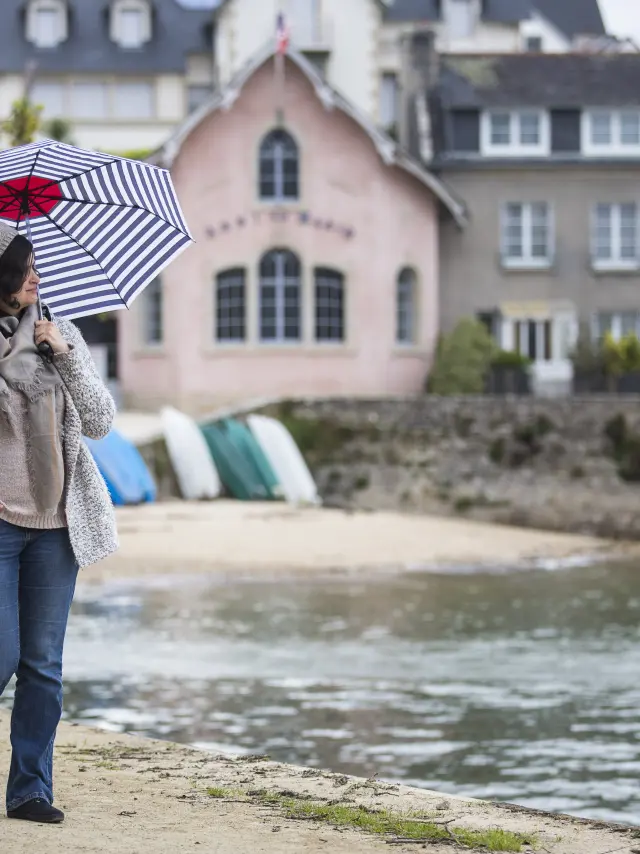
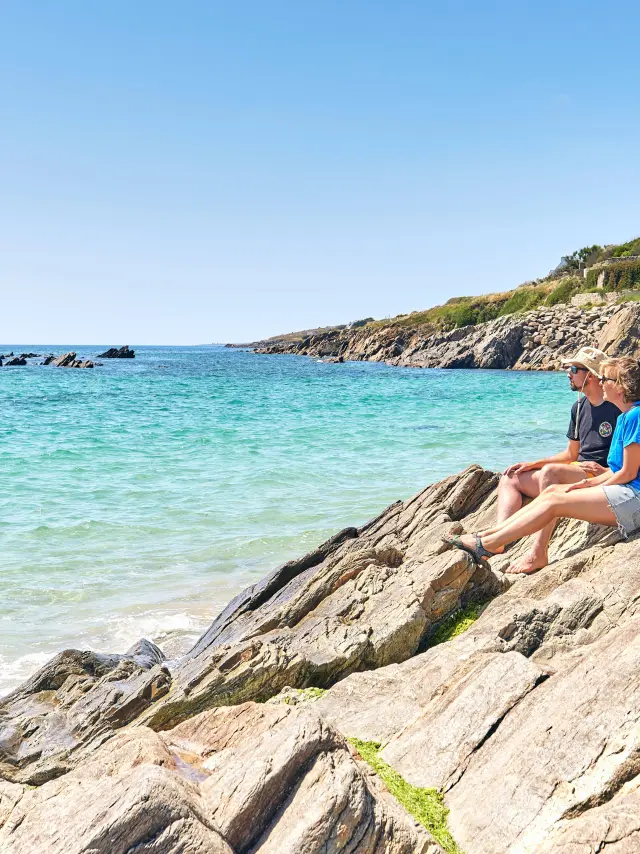
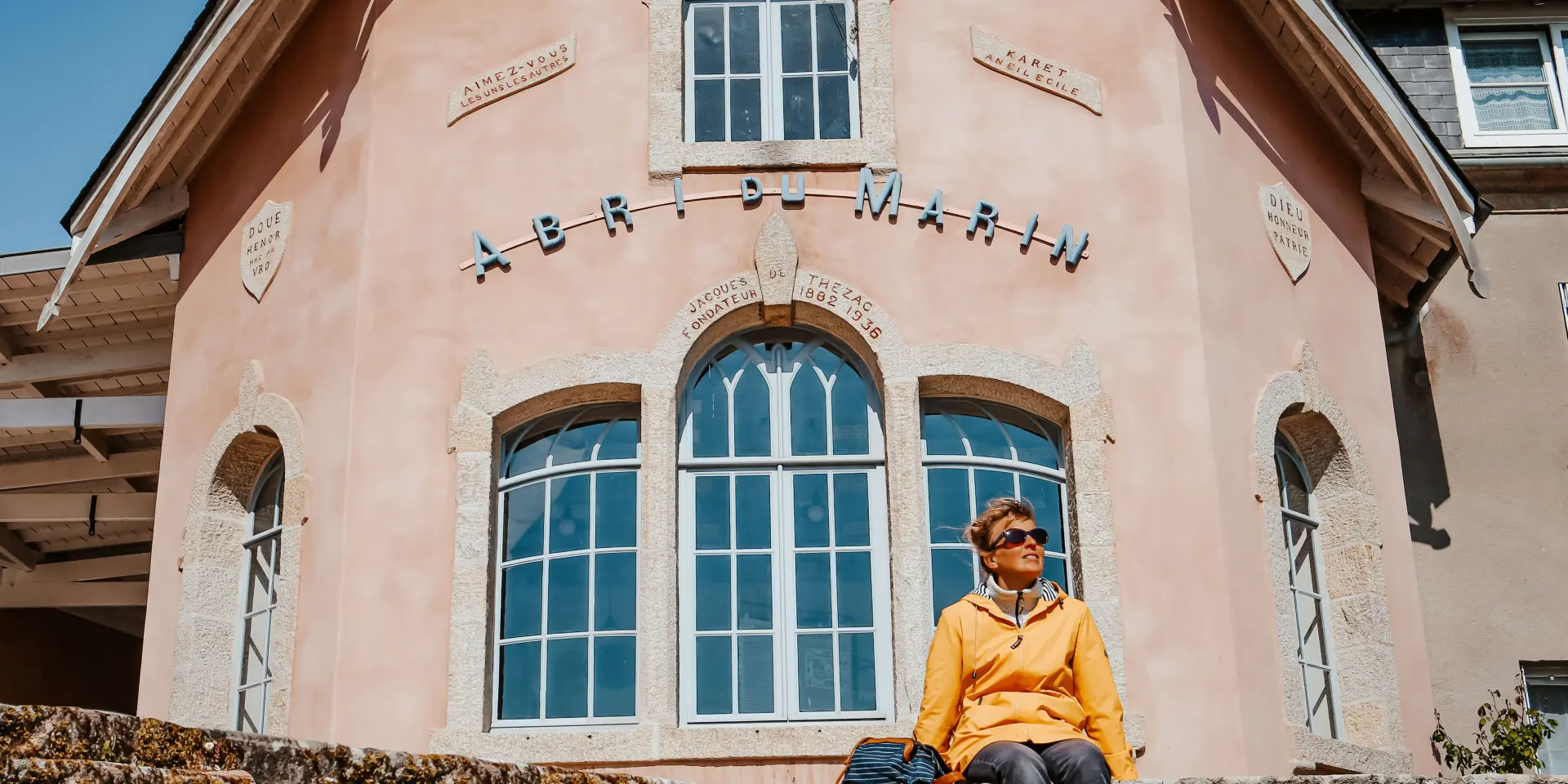
Sainte Marine Port Abri Du Marin Figurante Printemps S Peuziat 5

|

S. Peuziat

Top 8 heritage tours

To help you organise your stay, here’s a selection of 8 not-to-be-missed heritage visits in the Bigouden region!

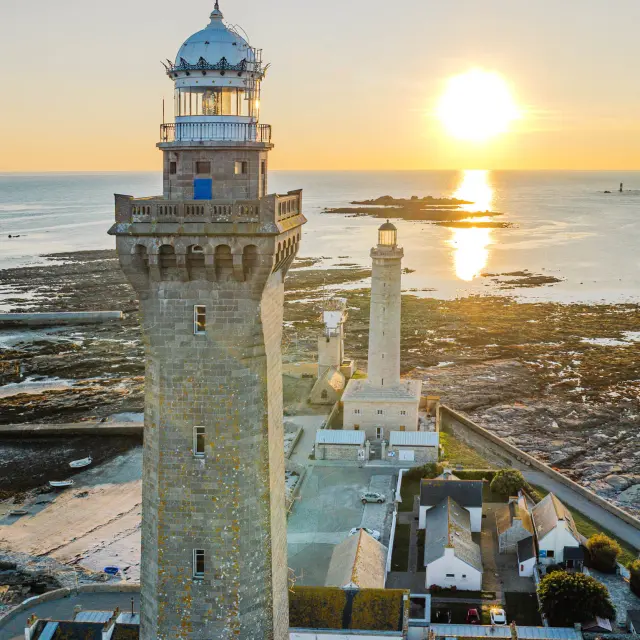
Eckmühl lighthouse and old lighthouse in Penmarc'h

The Eckmühl lighthouse can be visited day or night, from April to the end of the autumn school holidays, weather permitting. Guided tours are also available.

From up here, there’s a breathtaking view of the old Penmarc’h lighthouse, which is now a museum.

The semaphore can also be seen in this line towards the open sea, one of the busiest and most dangerous shipping lanes on the French coast.
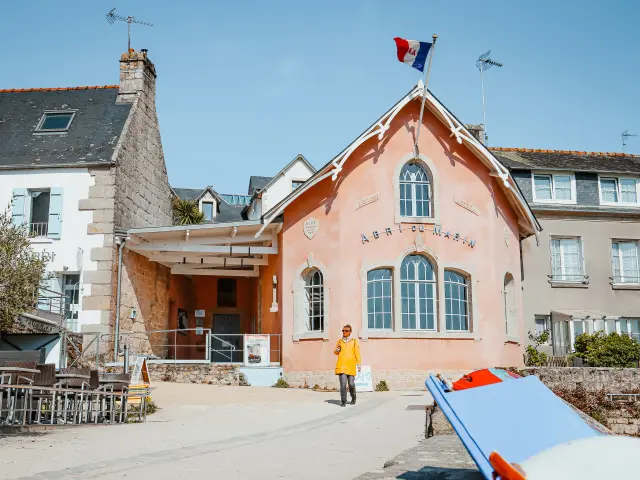
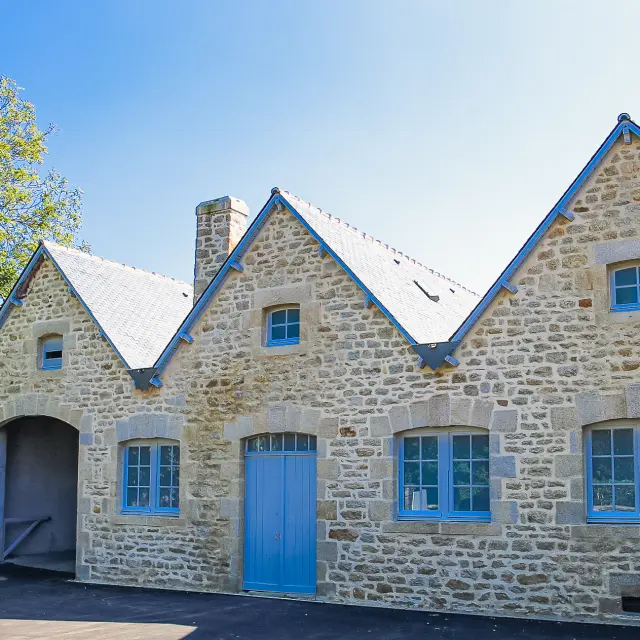
The sailor's shelter in Sainte-Marine

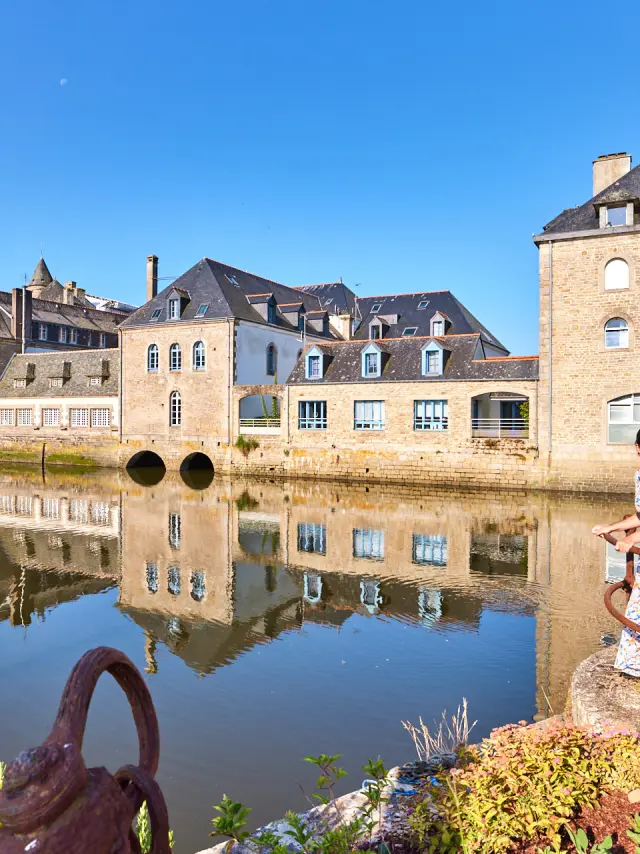
L’Abri du Marin is a museum that tells us about the life of sailors at the beginning of the last century. It also presents the work of Jacques de Thézac, who founded these shelters and devoted his life to fishermen. Built in 1910 in the port of Sainte-Marine, it is listed as an Historic Monument and was restored in 2007.

Temporary exhibitions on maritime themes create a link between past and present. Period photographs and objects tell the story of the daily lives of the people who lived in the ports of Brittany.

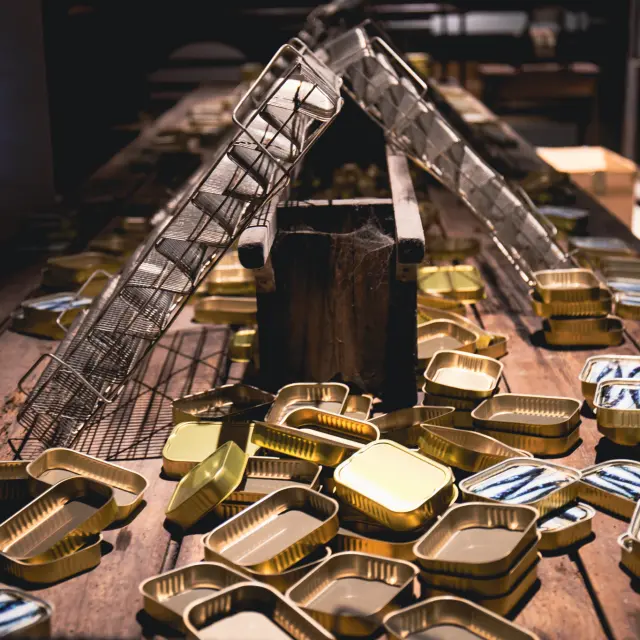
Museum of the Alexis Le Gall canning factory in Loctudy

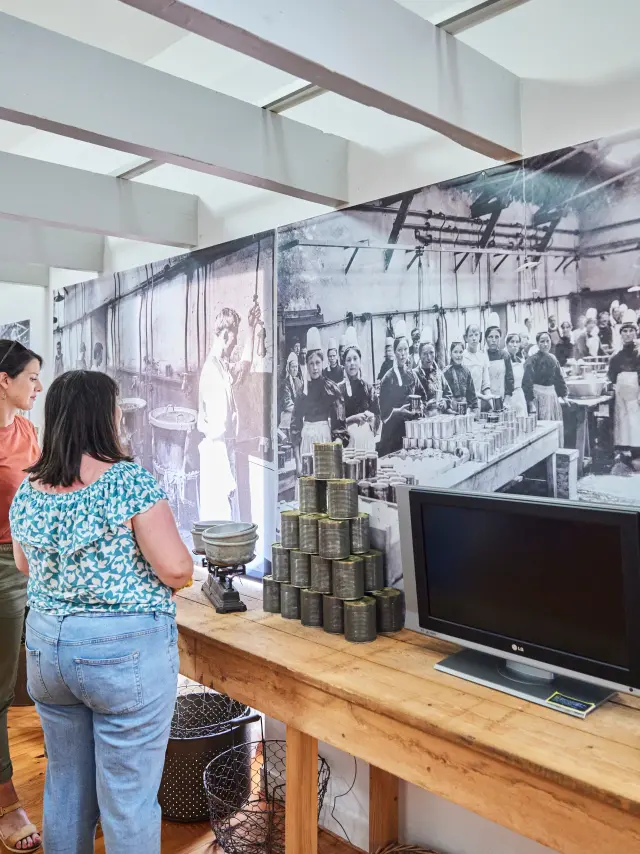
The Conserverie Alexis Le Gall tells visitors of an extraordinary Breton history: the adventure of preserving fish in tins! This industry was born in Southern Brittany in the 1800s.

Founded in 1901 by the industrialist Jean-Marie Vallière des Filières, the only cannery in Loctudy enjoyed its golden age under the management of Alexis Le Gall, the son of a family of canners originally from Douarnenez. He made the Loctudy factory his main family business from 1919 to 1954.

Guided tours of the Museum can be booked by telephone or e-mail.

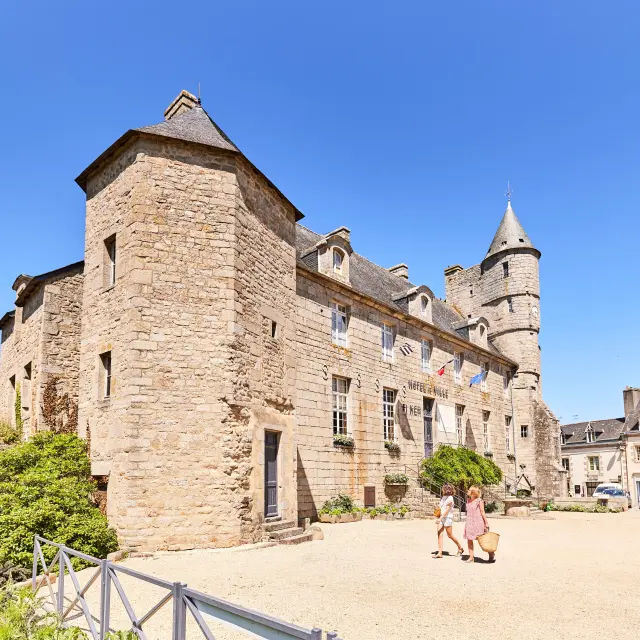
The castle with its Bigouden museum in Pont-l'Abbé

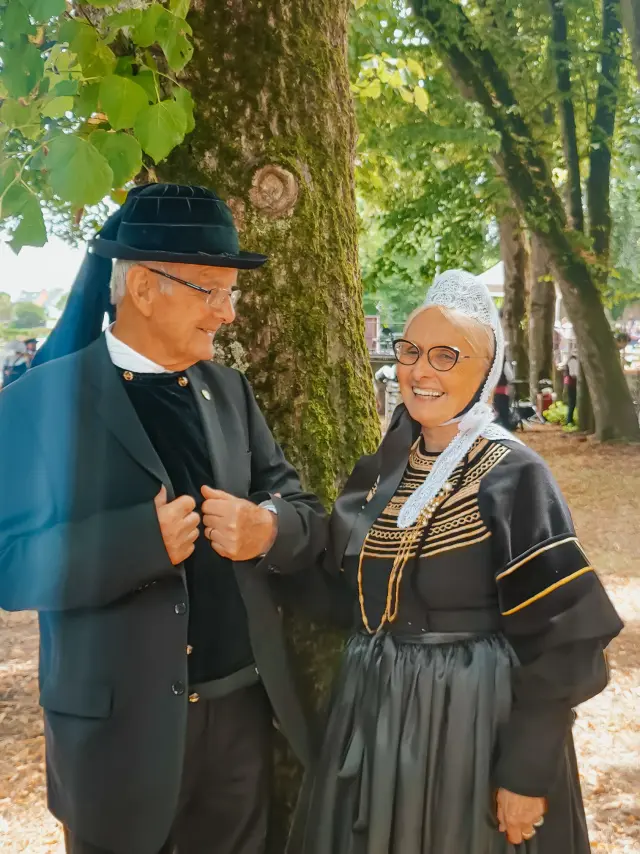
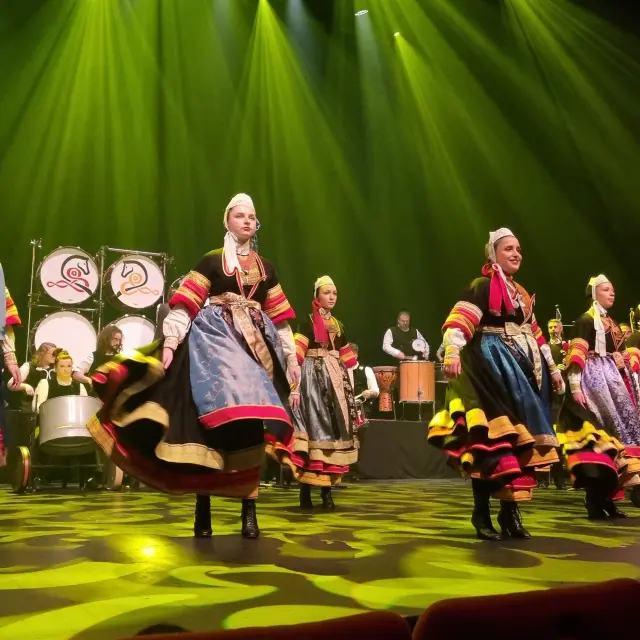
The dungeon of the Barons du Pont castle is where you’ll find the Bigouden Museum. Here you can discover the secrets of Bigouden clothing and the famous Bigouden headdress.

The castle was built as a fortress in the 1200s and 1300s by the Barons du Pont. In 1675, during the Bonnets rouges revolt, peasants protesting against new taxes ransacked the castle and set it on fire, then during the French Revolution, it was used as a prison.

The castle is currently being renovated. The Bigouden museum is currently closed until September 2026.

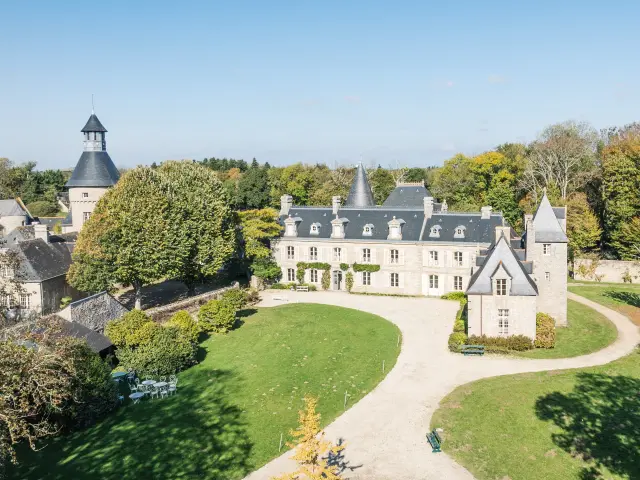
Kérazan Manor

Kérazan Manor was built in the 1500s and partially rebuilt in the 1600s. It is one of the oldest seigneuries in the Bigouden region. It was bequeathed to the Institut de France in 1928 by Joseph-Georges Astor.
A true testament to life and the art de vivre in Brittany in the 1800s, the manor house can be visited through its reception rooms, smoking room, library and billiard room.

It houses a large collection of Breton-inspired paintings. There are also some exceptional Quimper earthenware pieces, including Alfred Beau’s cello, the only one of its kind in the world.

Hénaff Museum

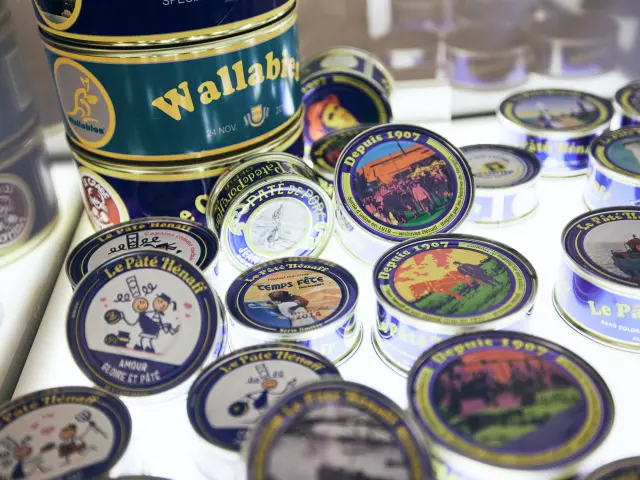
Enter a place steeped in history and discover all the secrets of the Hénaff canning factory.

You’ll find out all about the brand, its founder Jean Hénaff and his descendants, who have carried on the tradition and reinvented successful recipes!

The museum is located in the founder’s old farmhouse in Pouldreuzic. On display are documents, tools, films, photos and testimonials that have been carefully preserved since 1907.

Calvary of Tronoën and its chapel

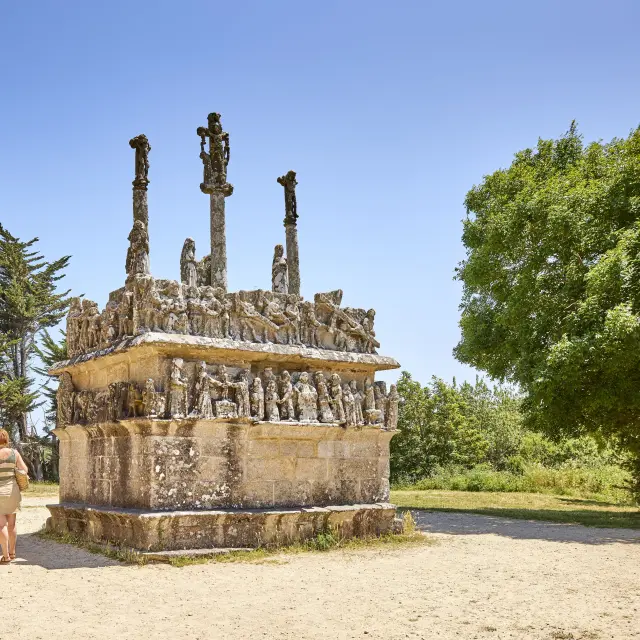
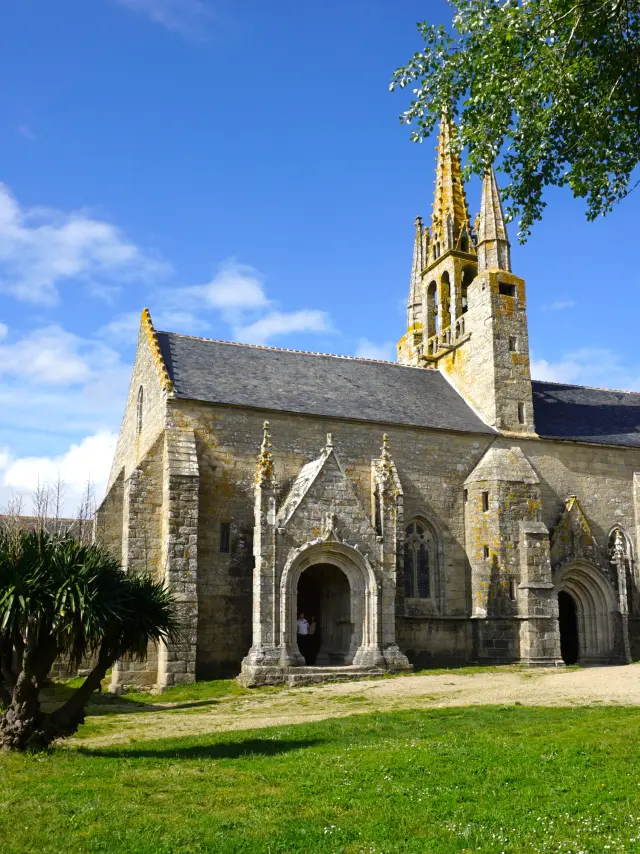
The calvary at Tronoën is considered to be the oldest of the seven monumental calvaries in Brittany and was built in the 1400s. Around its base, several scenes depict 30 stages in the life of Christ.

The chapel, nicknamed the ‘cathedral of the dunes’ was built in the 1400s, dedicated to Notre-Dame de Tronoën, to whom the families of sailors lost at sea noprmally offer prayers.

There is a large statuary inside, representing Notre-Dame des sept douleurs (Our Lady of Seven Sorrows), which evokes the painful moments in the Virgin’ s life , and Notre-Dame de Tronoën, who holds an open book, a symbol of teaching.

Ruins of Languidou

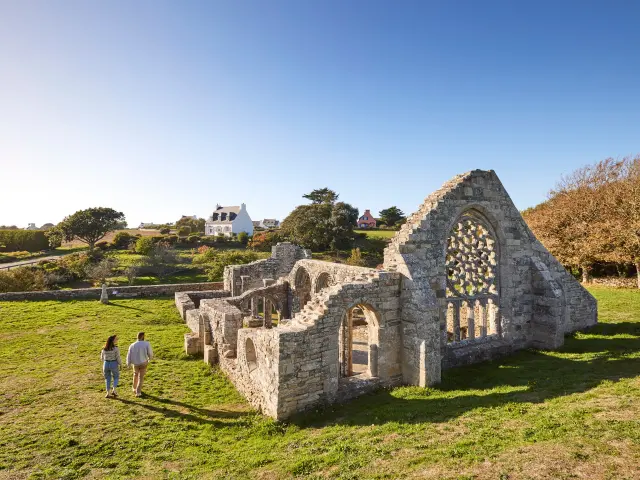
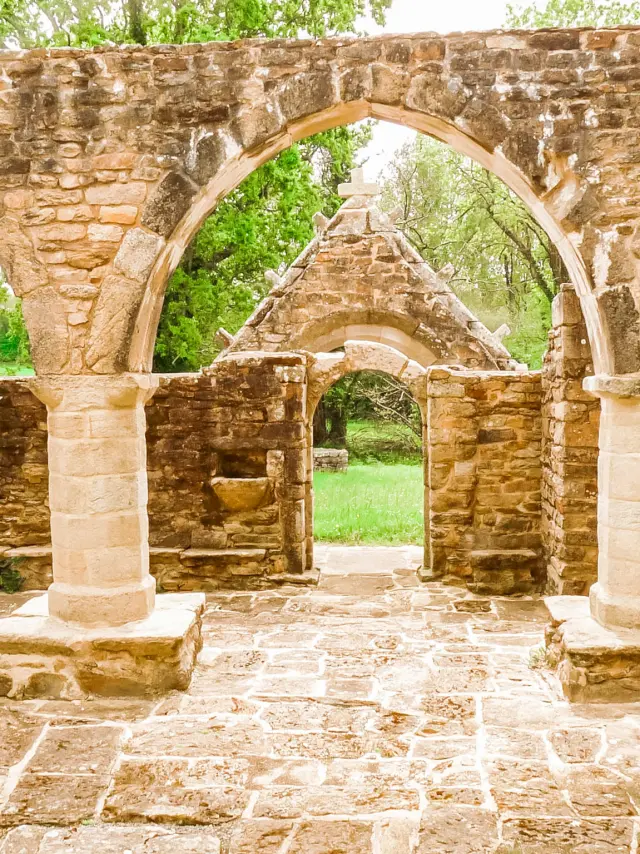
The original chapel is believed to have been built in the 1200s and restored in the late 1300s and early 1400s.

Languidou chapel was destroyed during the French Revolution and its stones were used to build a guardhouse. Now in ruins, it nonetheless retains its charm and, above all, its splendid rose at the chevet, a veritable lace of stone.

The chapel is one of the best examples of the Pont-Croix architectural style.