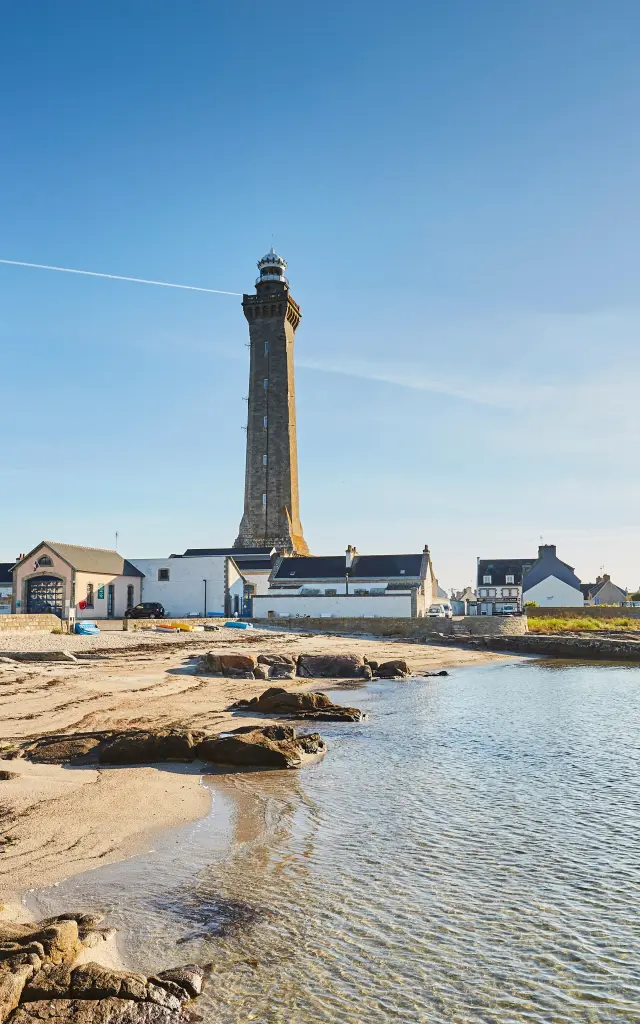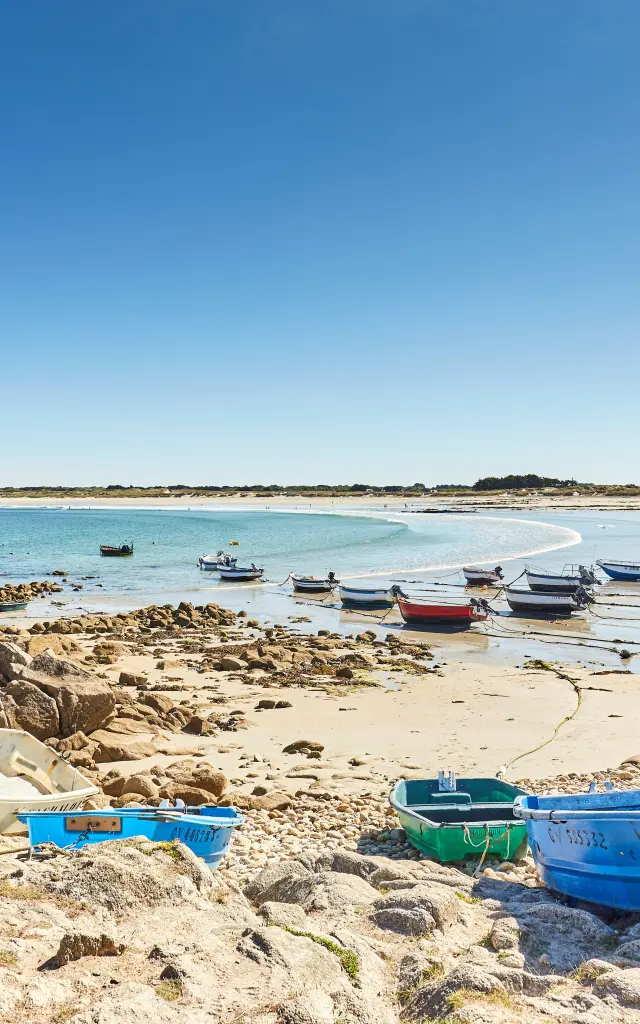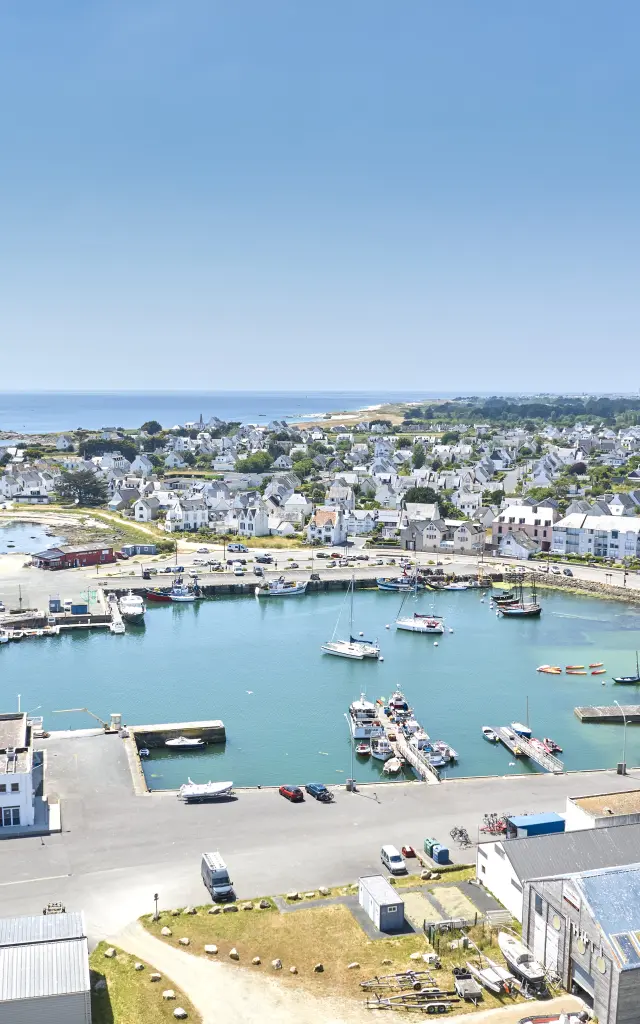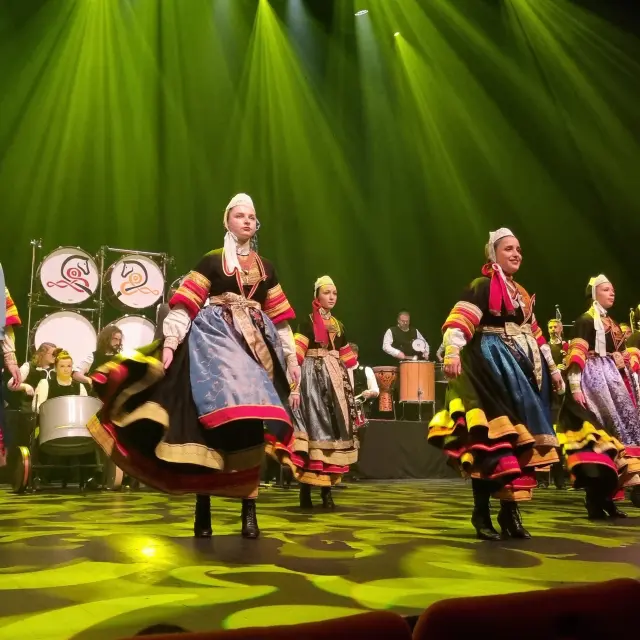
Guilvinec fishing portGuilvinec fishing port
©Guilvinec fishing port |A. Lamoureux

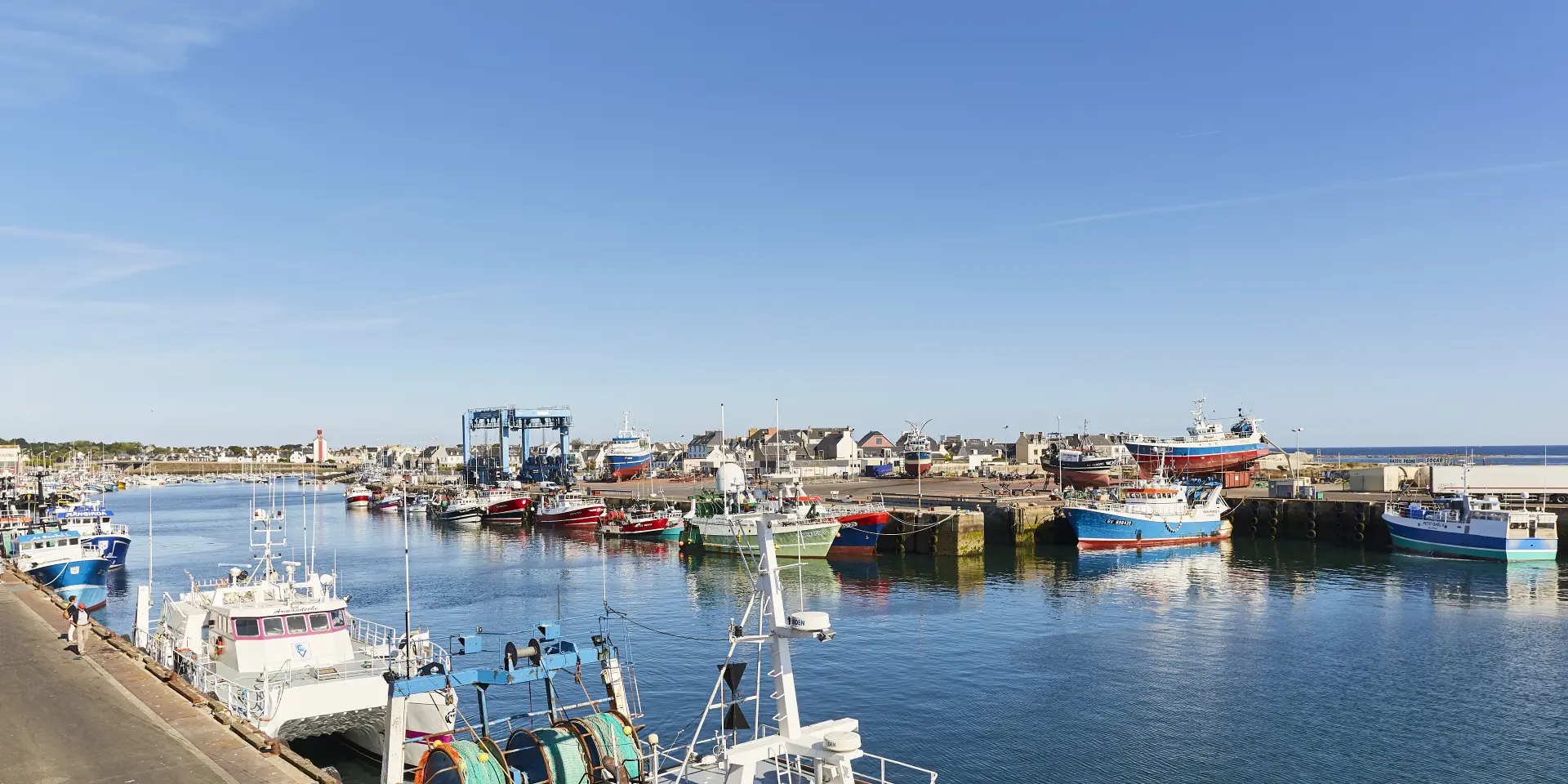
Le Guilvinec fishing port

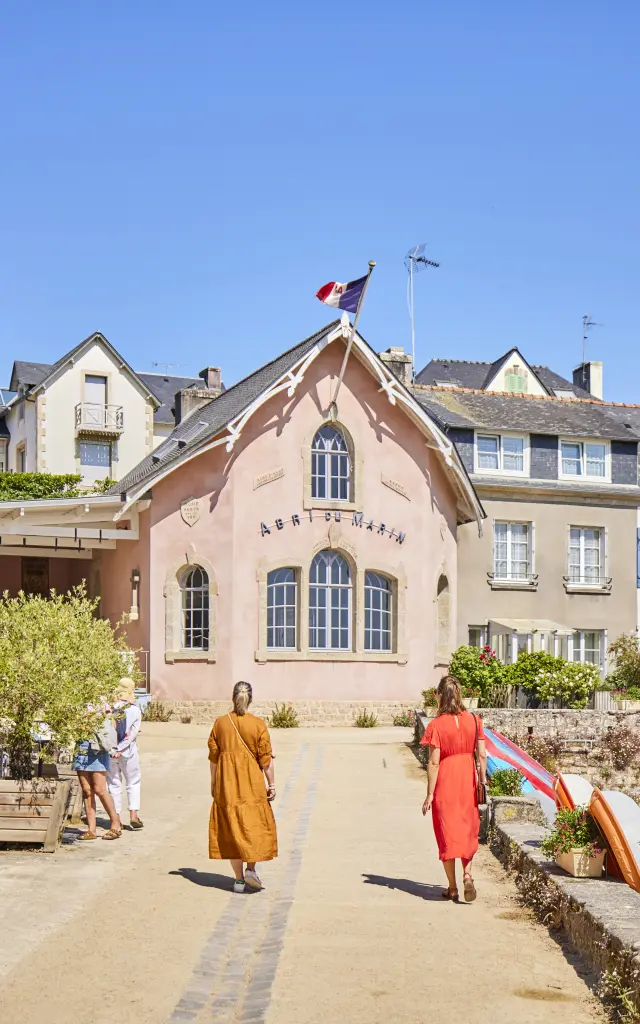
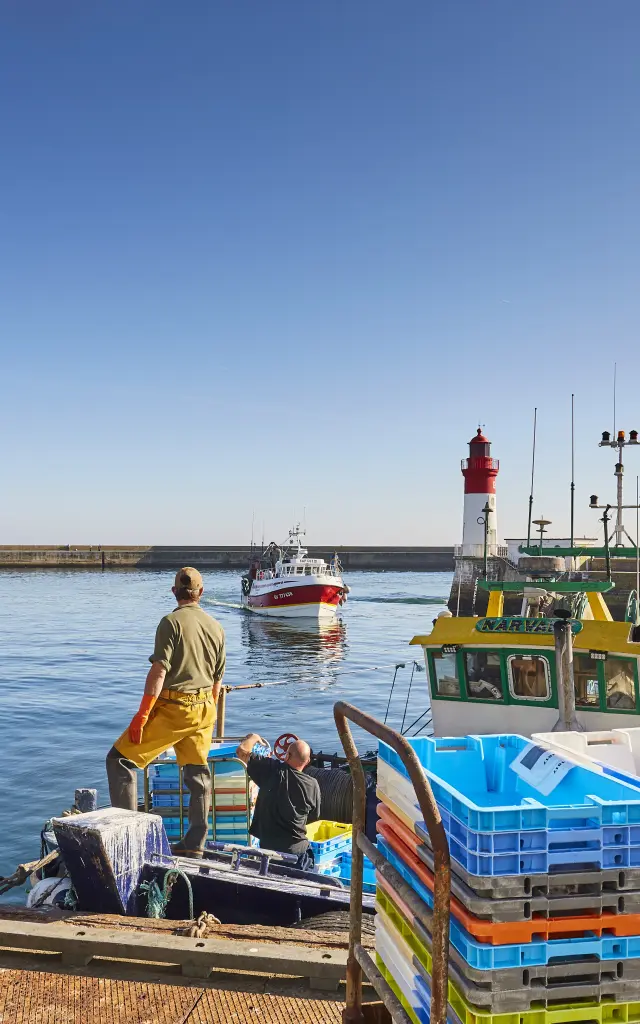
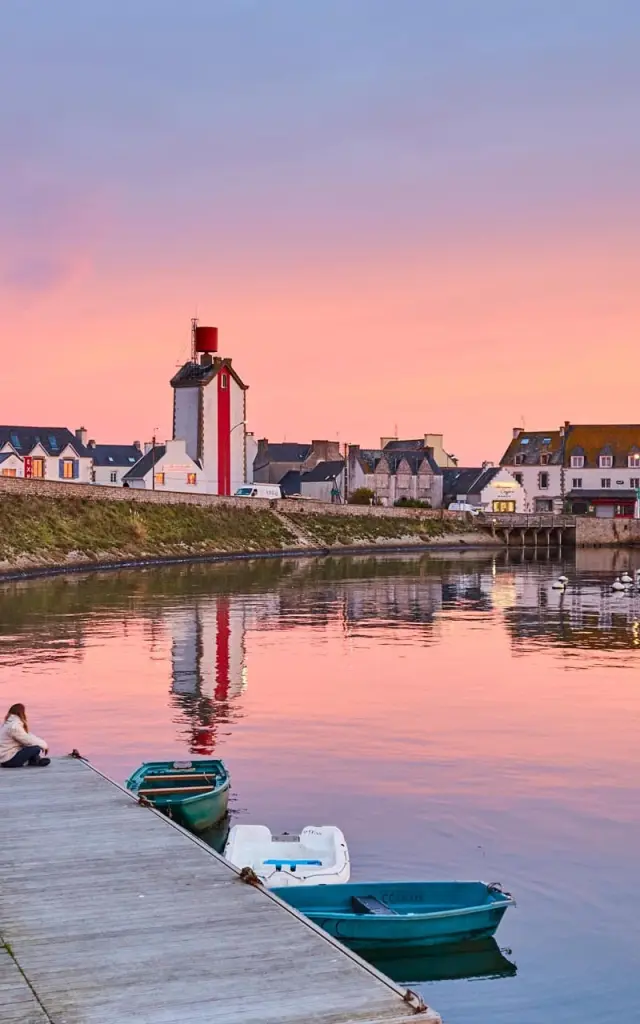
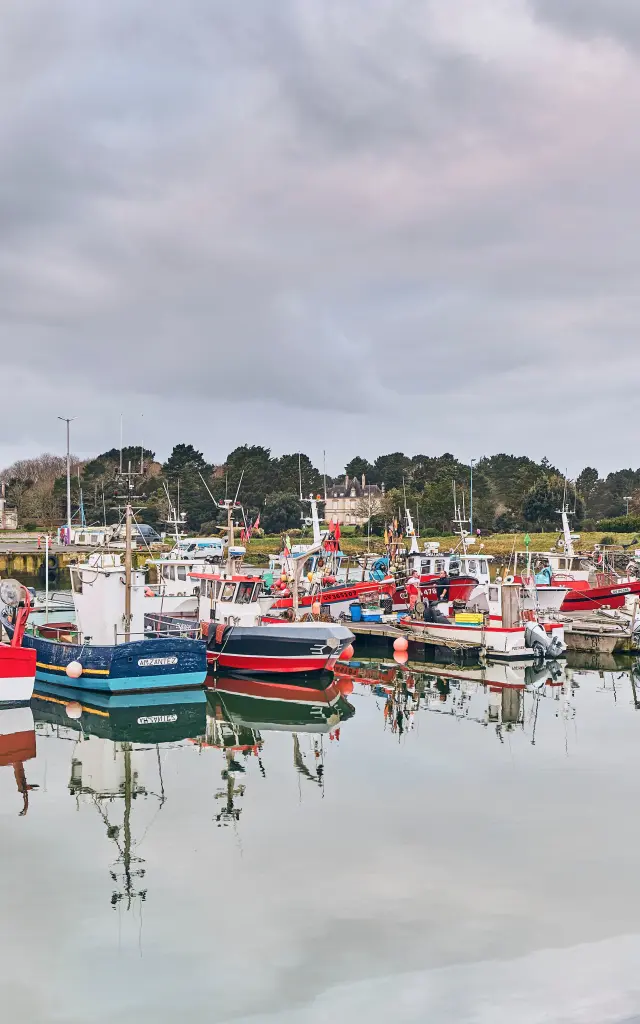
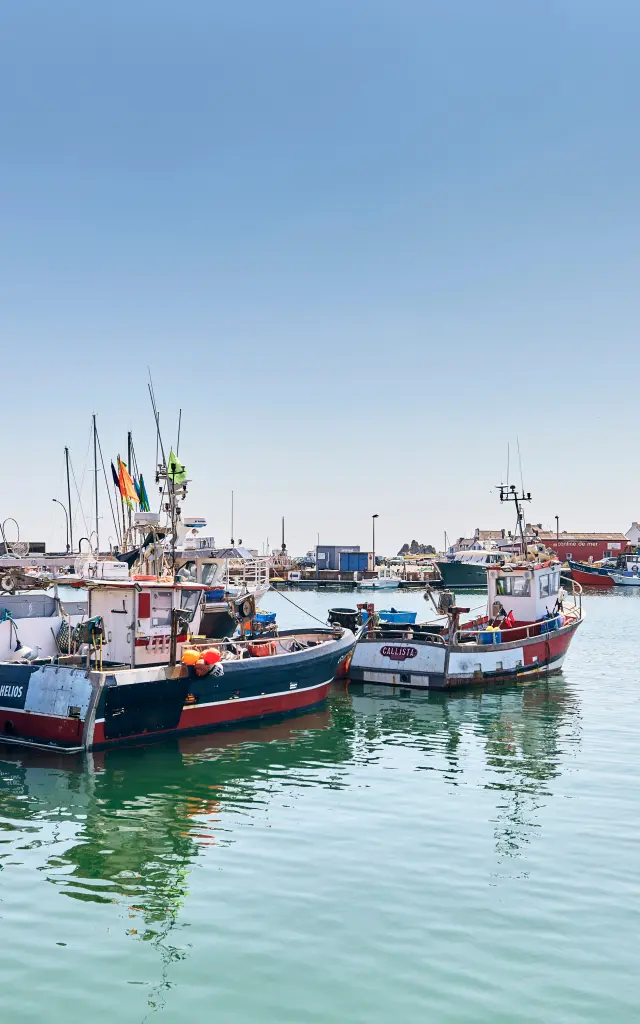
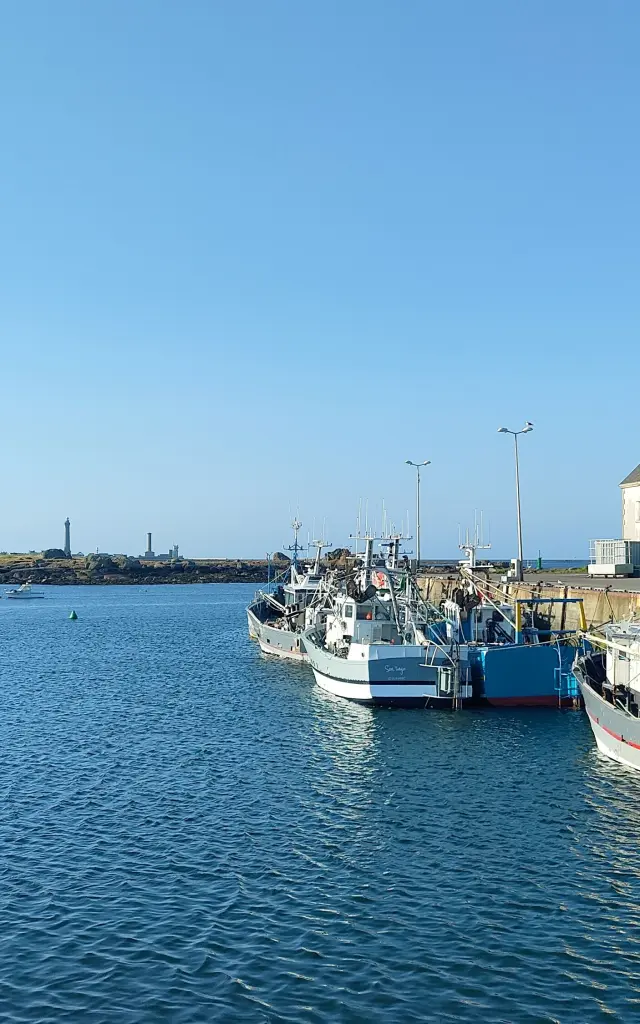
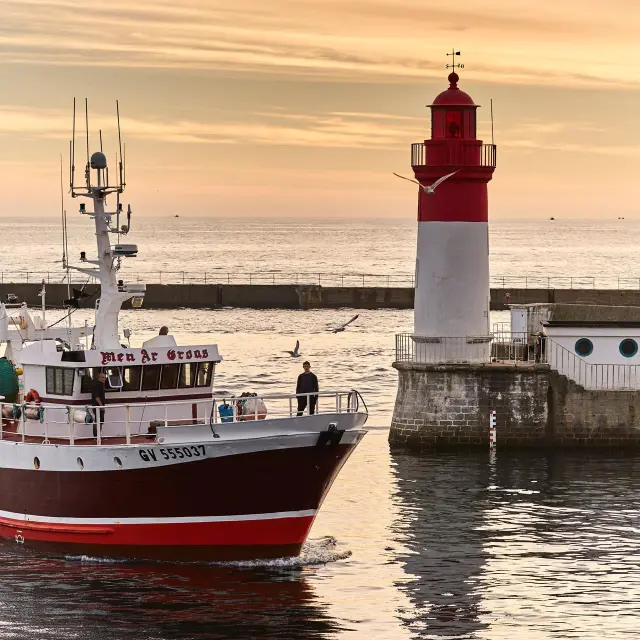
France’s leading small-scale fishing port is the pride of Pays Bigouden. Coming to Le Guilvinec means living to the rhythm of the tides and the to-and-fro of the fishing boats. Haliotika, the fishing visitor centre, offers a tour of the fish auction.

A port with a national reputation

Fishing is the local economic activity for which the town is famous, as is clear from the fishermen and fishmongers. You migth even be able to discuss the day’s catch with the old-timers who watch the boats return every day.

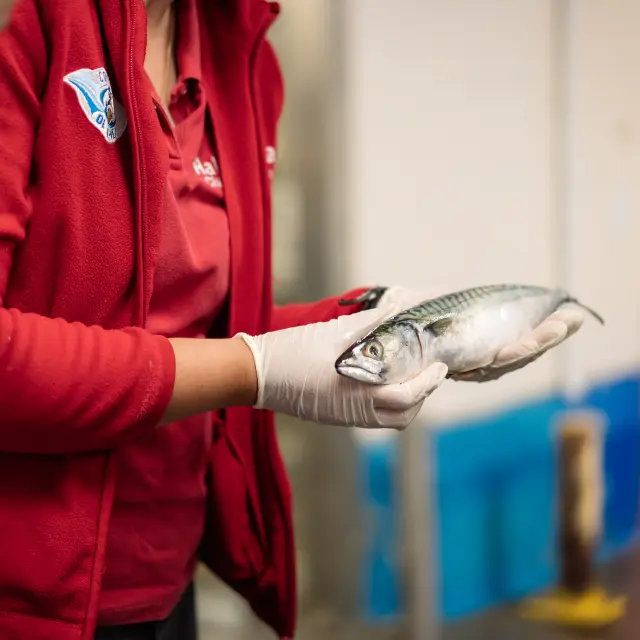
But above all, you can visit Haliotika, a unique place designed around the world of sea fishing! Here you can enjoy a guided tour of the fish market, a commentary on the return of the catch and exhibitions on the fishing industry and fish.
An afternoon in the port of Le Guilvinec

12 pm - Visit the exhibitionsHaliotika - The City of Fishing
  • Discover a little-known maritime world with your family at Haliotika, a must-see for your stay in Le Guilvinec.
    Come aboard a recreation of a deep-sea trawler and discover what life was like on board. A second exhibition, entitled “All good things come from fish”, opened this year.

  • Good to know:
    Exhibitions at Haliotika and visits to the fish auction are available from March to October (all year round for groups).
    Visits to the exhibitions are self-guided and last around 90 minutes.

24pm - Return of the fishing boats
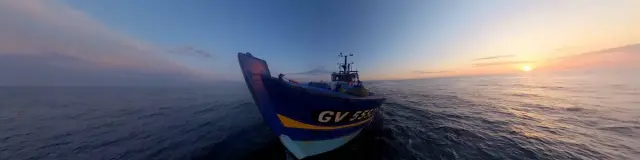
  • Head to the auction’s roof terrace to watch the trawlers pulling into the quayside. With a panoramic view of the harbour entrance, it’s easy to see the fishermen handling the crates full of fish and shellfish.

  • Good to know:
    Trawlers do not go out to sea at weekends, on public holidays or in strong winds. The ballet of boats returning to port starts at around 4pm and lasts around 1 hour.

34.30pm-5pm - Guided tour of the fish auction
  • Immerse yourself in the professional world of fish buyers and sellers, otherwise known as fishmongers.

    You’ll witness the auction of freshly landed scampi and fish. You can take this tour with Haliotika’s guides, who will explain how the auction works and tell you a few anecdotes about the fish and shellfish.

    The guided tour takes around 45 minutes.

  • Good to know:
    It’s best to book a visit to the fish auction with Haliotika to ensure you have a place and know the exact time of the visit.
    Telephone: +33 (0)2 98 58 28 38

Langoustines aka scampi or Dublin Bay prawns

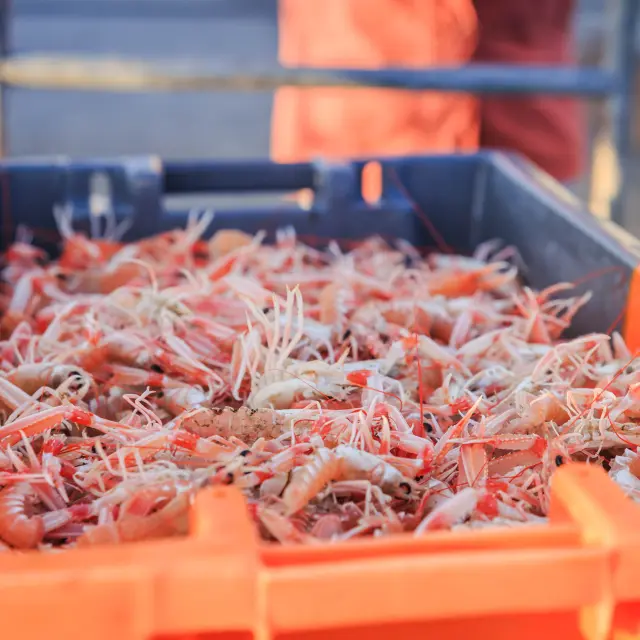
Fishing for langoustines is an institution in Pays Bigouden and a treasure for fishermen of the west. This pink delight is known locally as the demoiselle or ‘little lady’, and in English it’s known as Norway lobster, Dublin Bay prawn or scampi.

Here, you have the privilege of buying live langoustines in our fishmongers. Some offer to cook it on the spot, which is a wise choice, as it will be perfectly cooked and ready to eat (with a good mayonnaise and buttered crusty bread, for example).

The best time to eat it is from May to October. The rest of the year it is in the breeding phase.

Seafood where and when to eat it

  • Can I buy fish directly from the boat?

    The sale of fish is regulated, so you have to go to the fishmongers in  Pays Bigouden to buy fish and shellfish.

    Some boats offer direct sales on the quayside.

  • Which fish is local?

    Pollock, sea bass, hake, sole, monkfish, wrasse and plenty of others!

  • Where can I buy fresh langoustines?

    After being sold at the fish auction at around 5pm, the catch is taken to the fishmongers throughout the Bigouden region. You’ll be able to find fresh langoustines and fish at around 6pm.

  • When are langoustines in season?

    To respect the breeding periods, the best time to eat langoustine is from May to October.

  • How are langoustines cooked?

    For 1 kg of langoustines :

    Bring 4 litres of salted water to the boil, dip the langoustines in and wait for the foam to cover them. Leave for a further 2 minutes and drain.

    Langoustines are very tasty warm, but they are usually eaten cold (chilled after cooking), when it’s also easier to shell them!