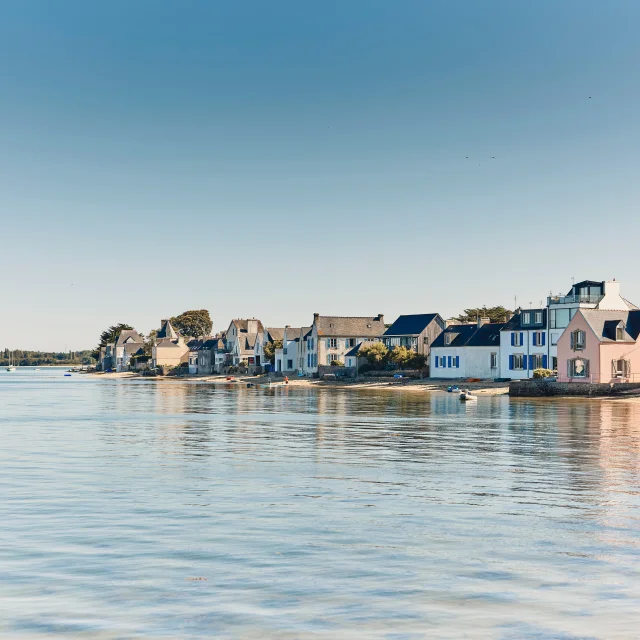
Île-Tudy in the Bigouden regionÎle-Tudy in the Bigouden region
©Île-Tudy in the Bigouden region|A. Lamoureux

Île-Tudy

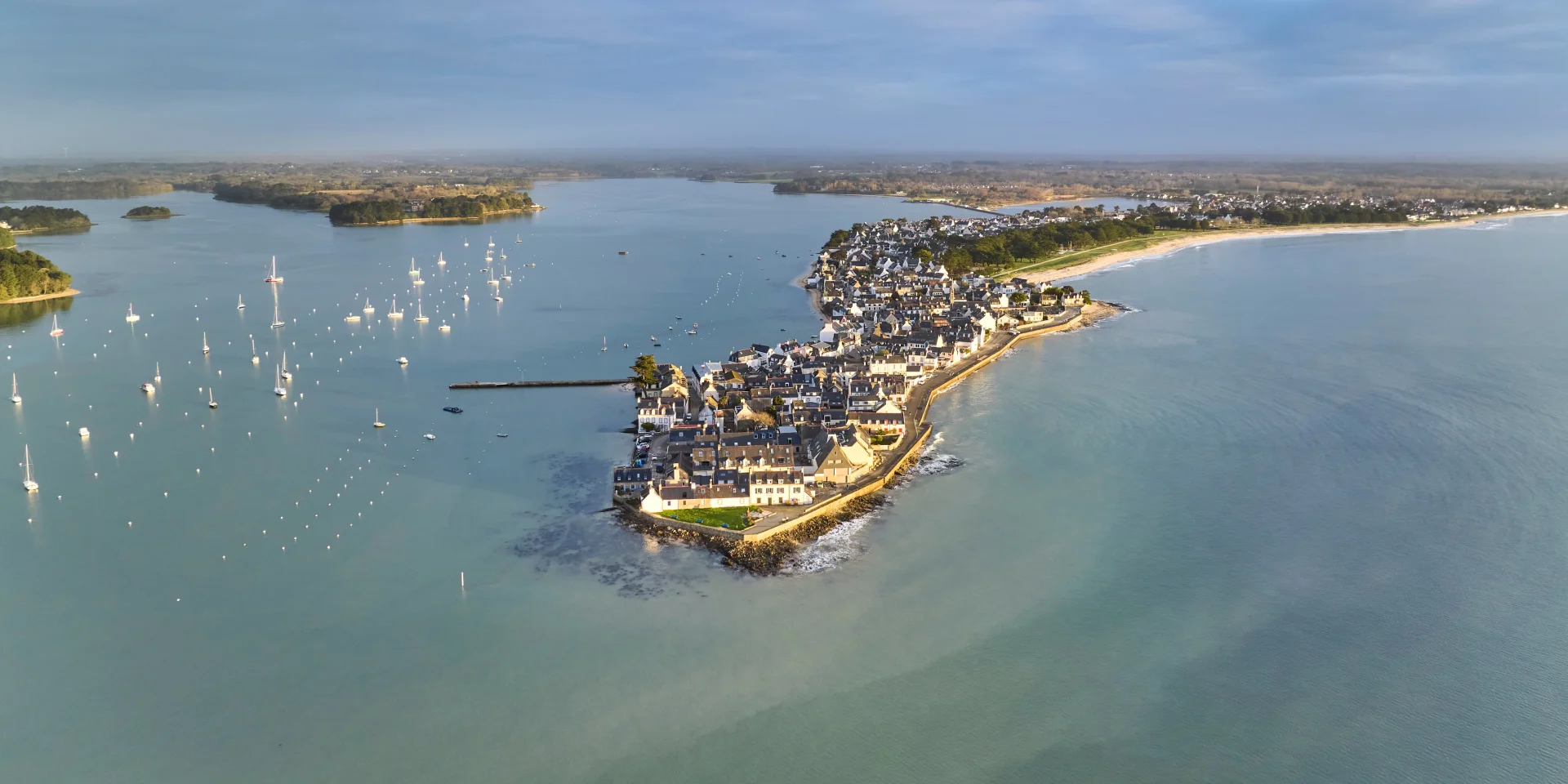
This is the peninsula of the Bigouden region. With its narrow streets steeped in local history, it combines the charm of old stones with a natural heritage.

Getting there

The peninsula small fishermen's cottages

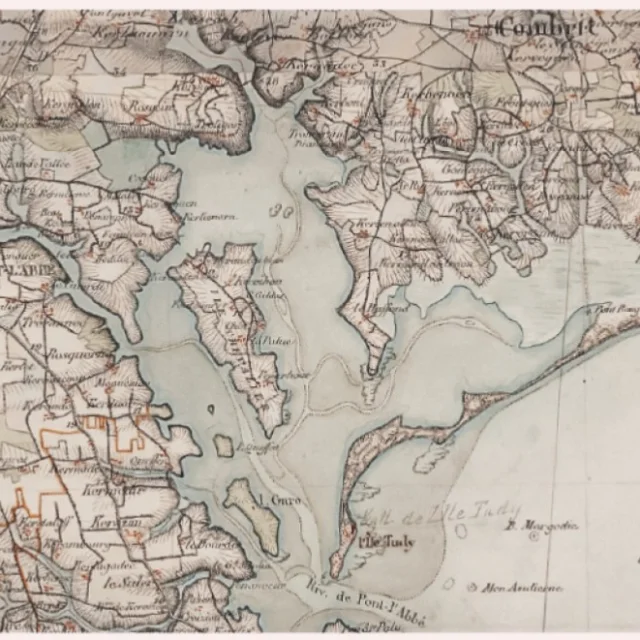
Once a veritable island, this former fishing village lies at the entrance to the Pont-l’Abbé river estuary. Its insularity gives it a peaceful, iodised atmosphere.

Before this little piece of land was connected to the mainland, the water flowed freely to the north, bordering the commune of Combrit. Île-Tudy remained an island until 1852, when the Kermor dyke was built to bridge the gap with the mainland.

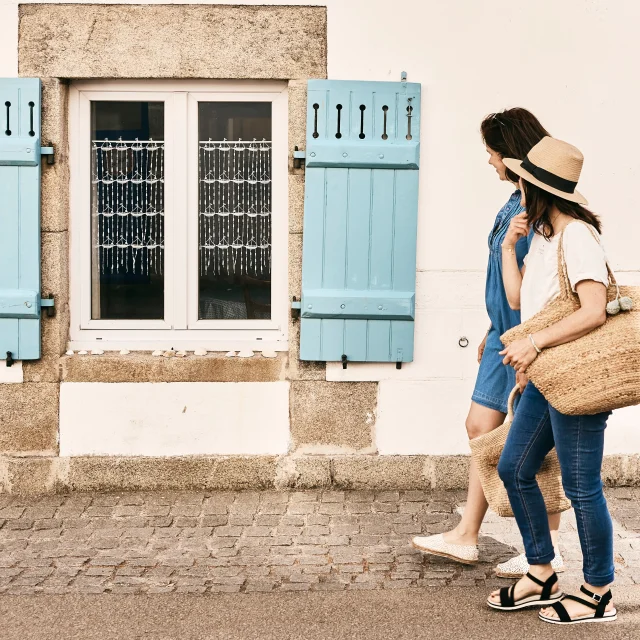
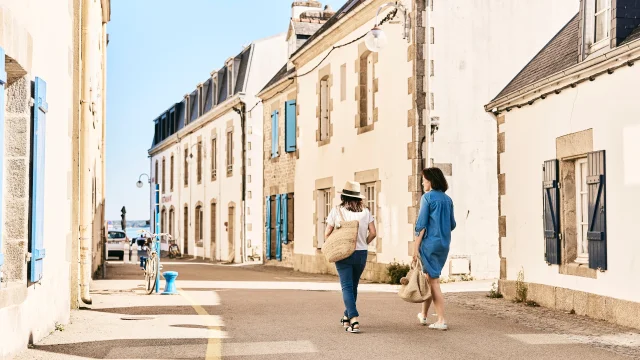
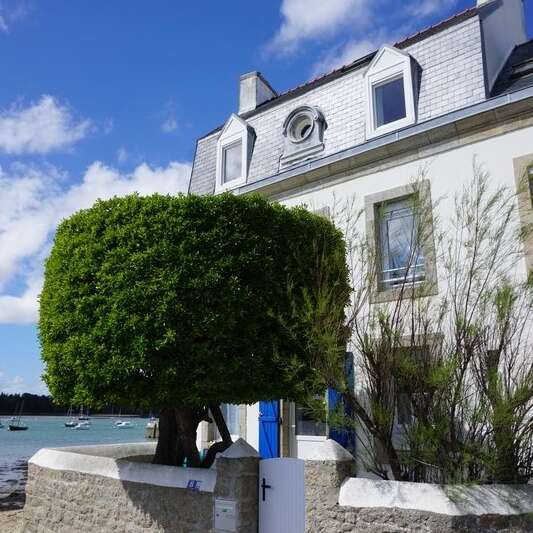
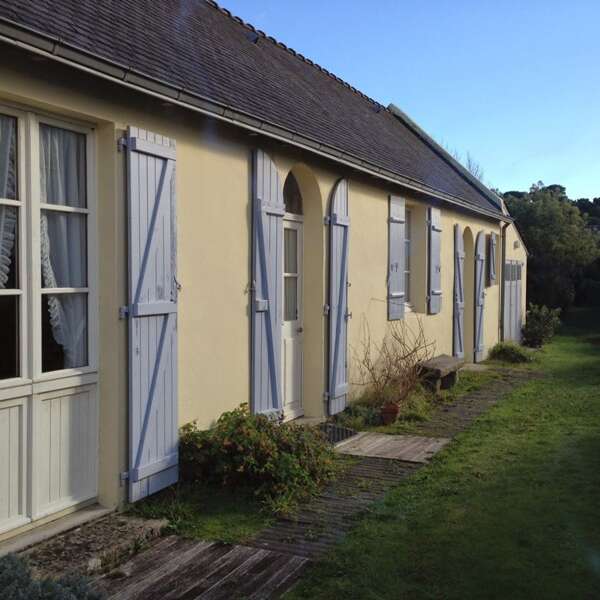
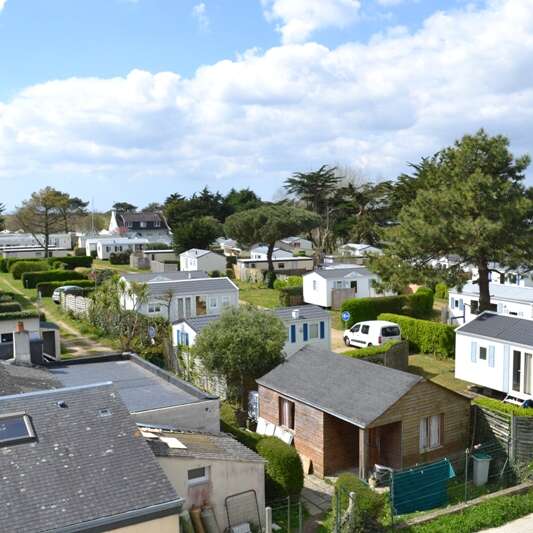
There are many small fishermen’s cottages built of stone or simply painted white. The flower-filled windowsills stretch along the narrow streets, remnants of the 15th and 16th century village.

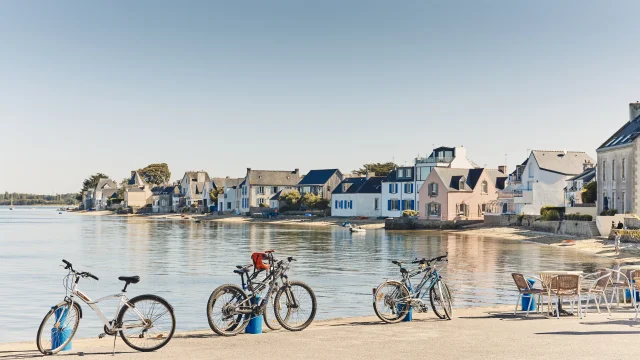
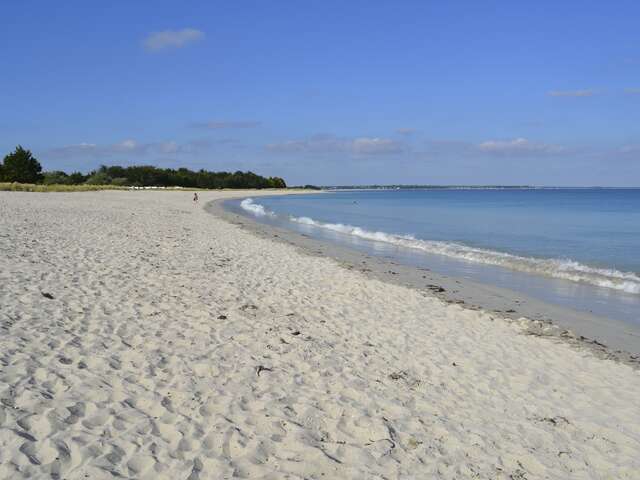
A tour of Île-Tudy means you can breathe the sea air on the east side, enjoy the fine sandy beaches with your family and glimpse the Pointe de Combrit Sainte-Marine in the distance.

On the west side, the Pont-l’Abbé estuary is a rich, living natural heritage. Rare birds, shellfish, oysters, anglers and kayakers all share the area.

In 2024, the commune of Île-Tudy took part in the programme“Le Village préféré des Français” (The French People’s Favourite Village) presented by Stéphane Bern. It came ninth.
The must-haves

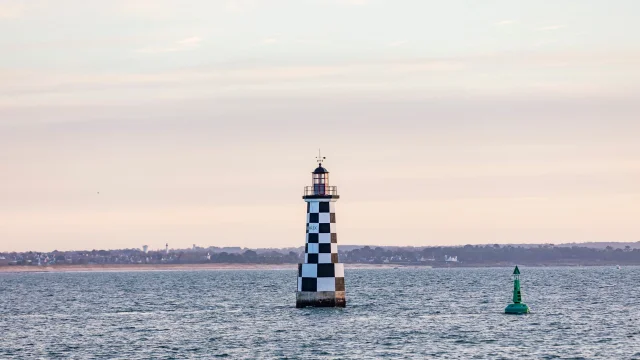
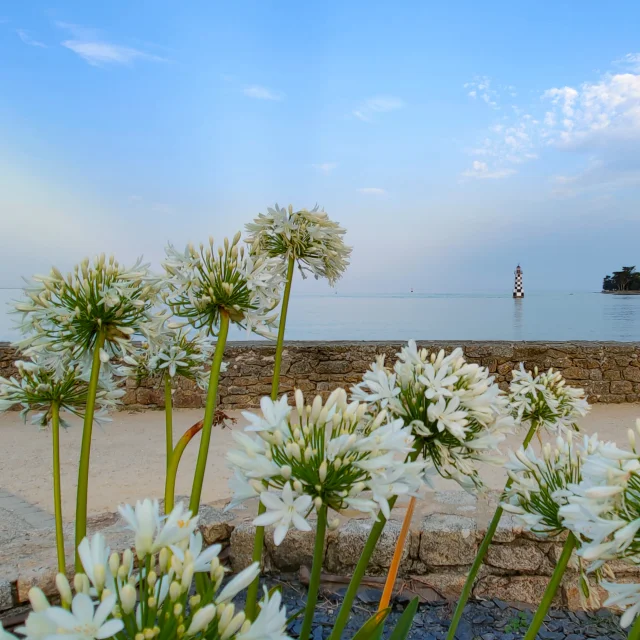
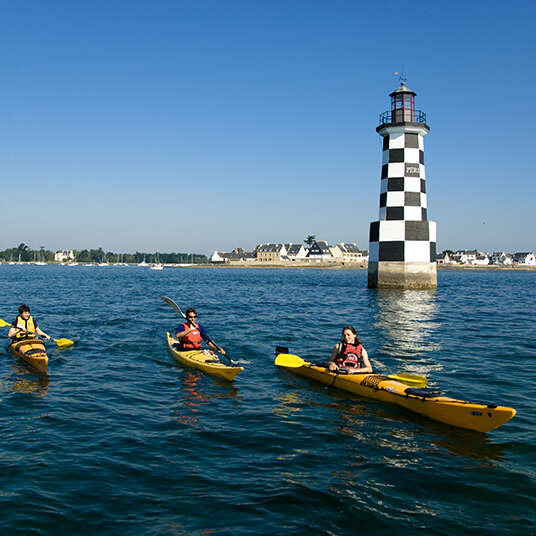
Now the emblem of the communes of Île-Tudy and Loctudy, the Perdrix turret was installed at sea at theentrance to the fishing port of Loctudy, to signal a dangerous rock for ships.

But before becoming a permanent structure, it was first a simple wooden mast (1872) and then became a beacon with a light (1886). The current 17.40 m turret was erected in 1889.

It began operating in 1918. Initially painted red, it was given its famous black and white chequered pattern of 64 squares in 1947.

In 2000, red and green buoys replaced its role as a maritime signpost. But the Partridge still exists, as a decorative element in the landscape.

It is no longer essential for navigation, but it was not destroyed at the request of the two municipalities concerned.

  • Rue des Dentellières: in 1905, Sister Suzanne Vidélo ran an Irish stitch embroidery and lace workshop. This workshop, located in what is now the Rue des Dentellières (the name given by the commune in her honour), was set up to alleviate the poverty that struck the island after the disappearance of fish, the only resource of this fishing village. The embroidery work produced by the locals was sold to leading Parisian couturiers.
  • Rue de la Poste: at no. 8, you’ll find the smallest house on the island! The door on Rue de la Poste opens onto the only room in the house.
  • Sailor’s shelter: Jacques de Thézac was behind the construction of sailor’s shelters in Brittany. The one on Île-Tudy was the 9th to be built. These shelters were places to meet, study, get involved and fight alcoholism. They often occupied a central place in the village. The Île-Tudy sailor’s shelter, which was less and less frequented after the closure of the canneries and the emigration of fishermen to other Bigouden ports, was sold to a private individual in 1933.

  • Barque master’s house: this house, located at the corner of the venelle du Délestage and the rue des Pêcheurs, is built entirely of granite and dates back to the 18th century. Barque masters were captains of sailing coasters with a capacity of 20 to 30 tonnes.
  • Maison de la tour: an unusual house dating from the 19th century. It measures 3 m x 3 m x 3 storeys – a real cube!

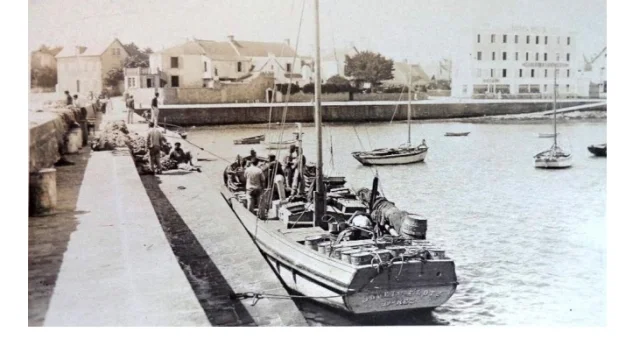
In 1857, it was one of the very first Bigouden canneries to open its doors on Île-Tudy. The bell that signalled the start of work is still attached to the façade of the former owners’ house. The Divanach and Lecointre canneries were later added to the list.

In the 1960s, the sardine industry on the peninsula came to an end after a century of history.

The buildings of the Canaud and Divanach factories are now occupied by the nautical centre and the Lecointre cannery has become the Berry-Tudy centre.

To find out everything you need to know about the heritage of Île-Tudy, take a look at the ten interpretation panels that have been installed in the narrow streets of the commune, and find the precise locations on the town map.

  • Panel 1: Le Jouet des Flots
  • Panel 2: The roundup of 20 June 1944
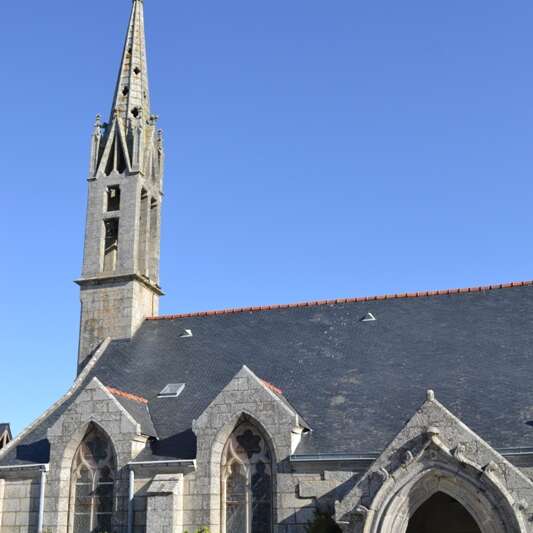
  • Panel 3: The church of Saint-Tudy
  • Panel 4: The Perdrix lighthouse
  • Panel 5: The pointe cannery and the slipway
  • Panel 6: The place de la cale and the sailor’s shelter
  • Panel 7: Rue des Dentellières
  • Panel 8: The Kermaria villa
  • Panel 9: The seaplane base

To continue your visit...

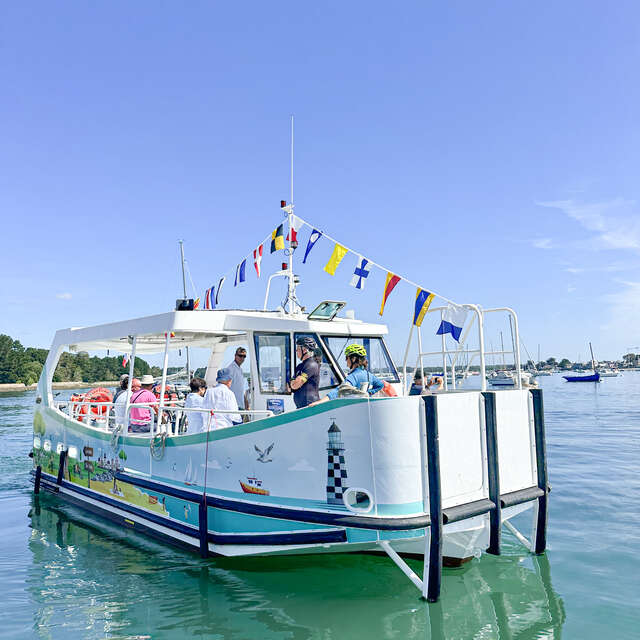
From one shore to the other with the P'tit Bac

At the end of the slipway at Île-Tudy, take the pedestrian ferry for a lightning 5-minute crossing to the Loctudy marina.

You can take your bikes on board the little boat and continue your ride along cycle route 45 and beyond on the signposted footpaths.

Practical info: The p’tit bac runs daily from April to September. The service is provided by Les Vedettes de l’Odet.

The beaches de l'Île-Tudy

Located on the south-east side, the beaches are sheltered from the prevailing winds. They stretch for 5 km between Île-Tudy and Combrit-Sainte-Marine. The sand is extremely fine and shiny. In summer, the Sillon beach has a supervised swimming area.
FAQ

Continue on your way in the Bigouden region