Penmarch Eckmühl lighthousePenmarch Eckmühl lighthouse
©Penmarch Eckmühl lighthouse|A. Lamoureux
Penmarc'h

Penmarc’h

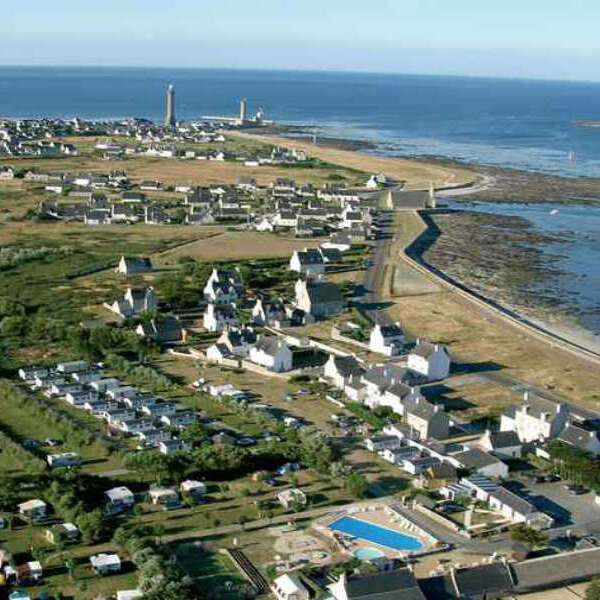
It’s THE destination at the end of the world, with the famous Eckmühl lighthouse, canneries and the ports of Saint-Guénolé, Saint-Pierre and Kérity.

Getting there

One point, one end of the world

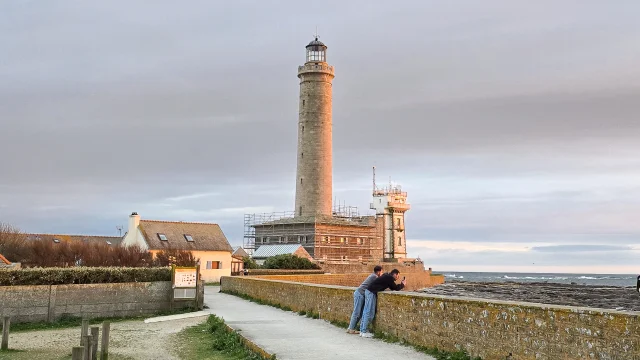
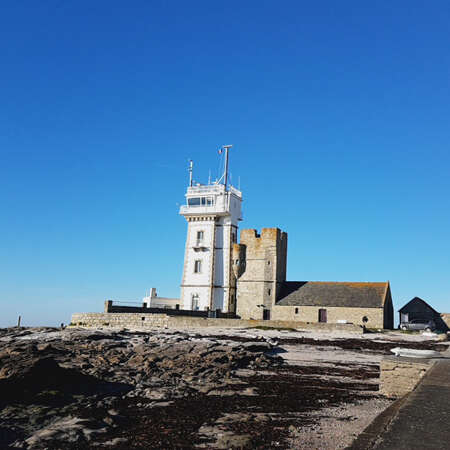
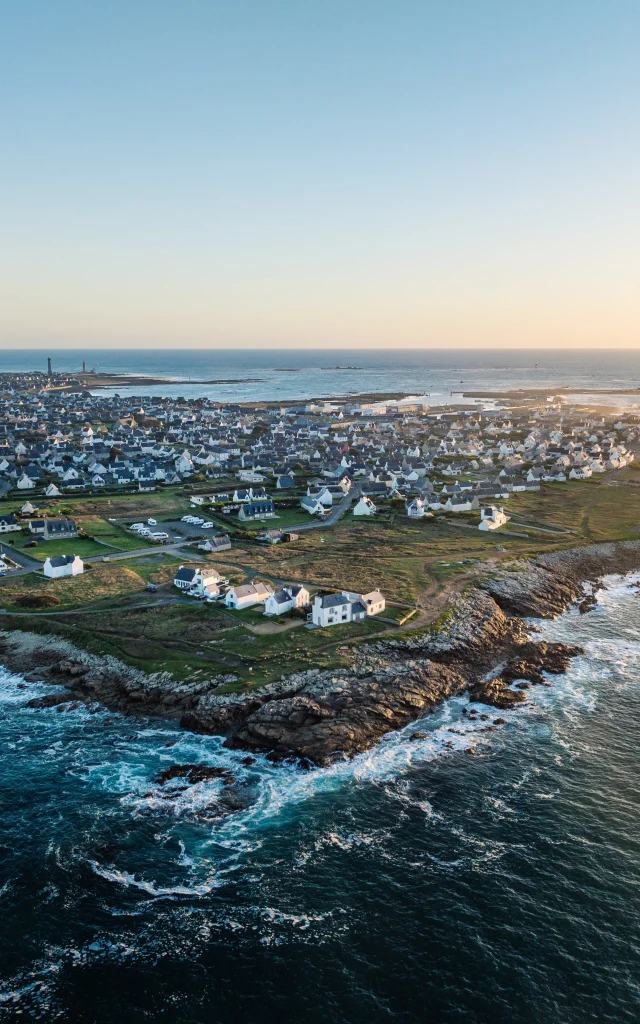
In South Finistère, there’s the Pointe du Raz , but there’s also the Pointe de Penmarc’h, famous for its majestic Eckmühl lighthouse . Together with the Vieux Phare (Old Lighthouse ), which is an extension of the lighthouse, it keeps watch over the sailors passing off this jagged coastline full of reefs.

The rocks of Saint-Guénolé, just a few kilometres away, also bear witness to the dangerous waters offshore. If you follow the GR® 34, you’ll come across the famous “roche du Préfet”, which is particularly prone to swells, so hikers should be extremely careful.

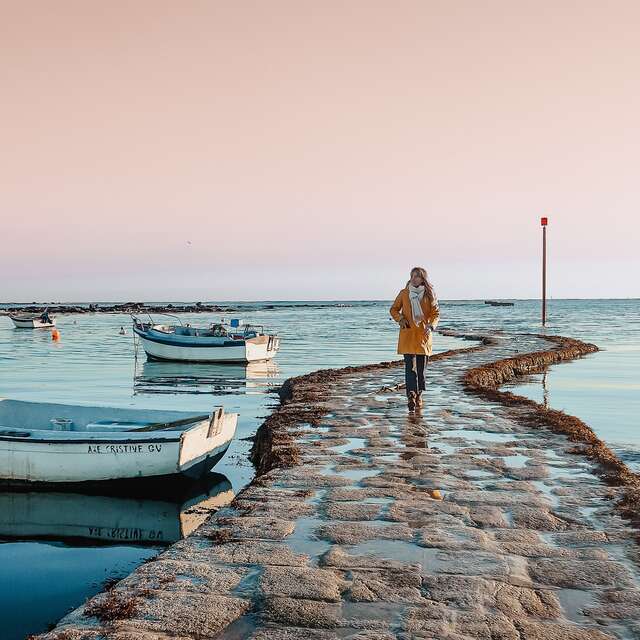
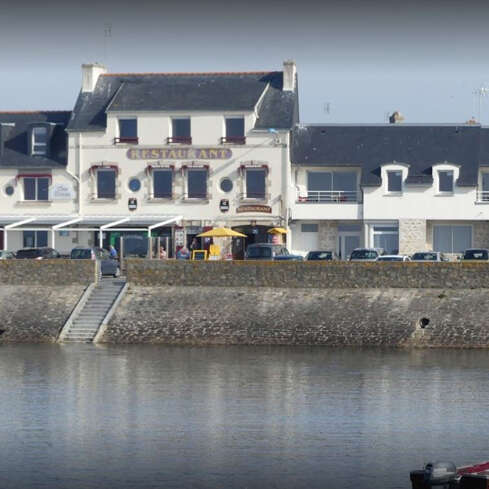
But the force of the Atlantic, at this western point of Finistère, has not succeeded in keeping the Bigoudens away from the open sea. They have always taken to the sea, as evidenced by the many ports in the commune of Penmarc’h alone: Saint-Pierre, Kérity and Saint-Guénolé. These harbours, with their rough, authentic charm, welcome yachtsmen, amateur and professional fishermen alike.

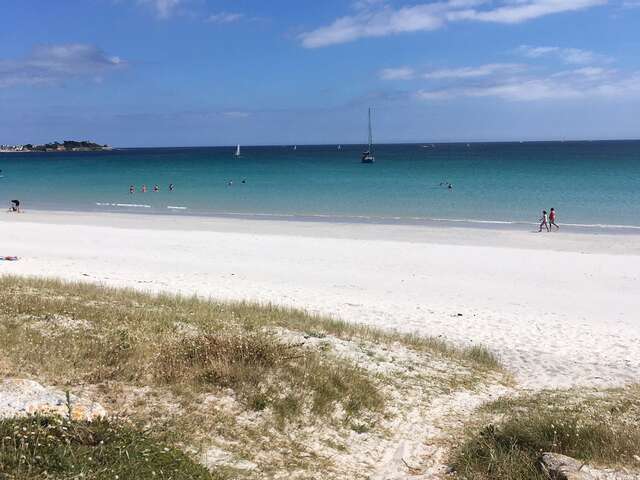
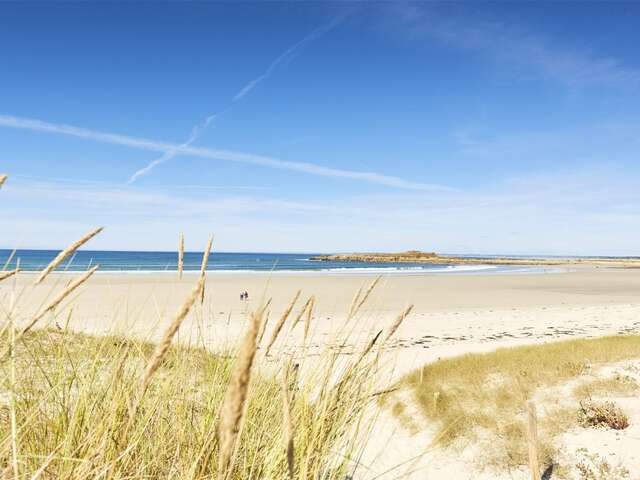
Penmarc’h also offers calmer waters, such as the fine sandy beaches where you can relax and unwind.

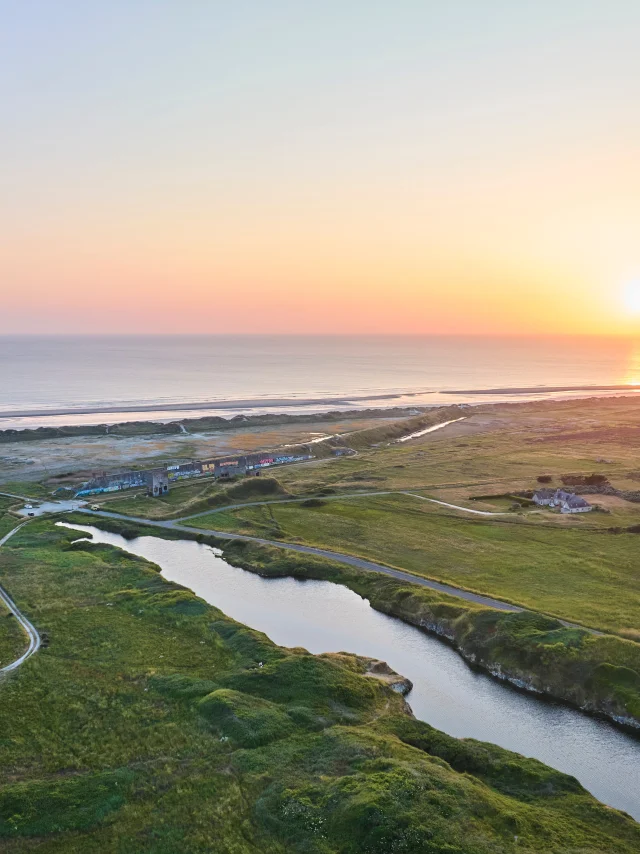
As for nature, the paths and tracks highlight the beauty of the protected and listed marshes. These include the Joie and Lescors paths.
The must-haves

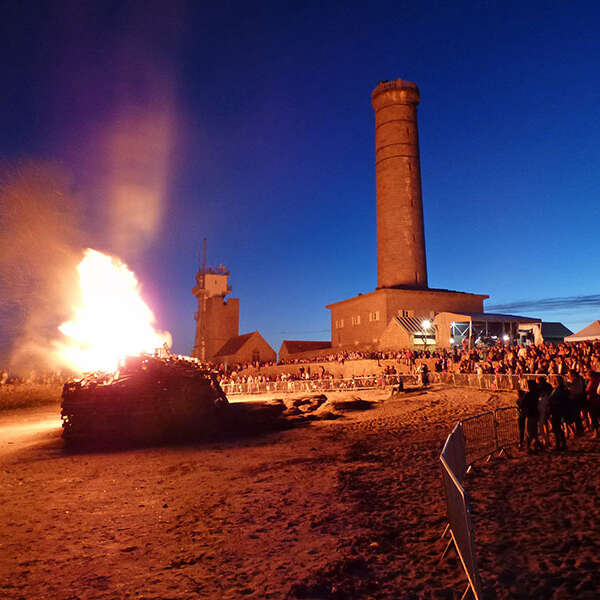
The lighthouse was built between 1893 and 1897 thanks to the generosity of the Prince d’Eckmühl’s family, in particular the Marquise de Blocqueville, daughter of Marshal Davout.

It is the successor to the old Penmarc’h lighthouse, whose range had become insufficient to indicate the south-westernmost cape of Finistère to ships.

At 65 metres high and with a range of around 50 kilometres, it is one of the most remarkable lighthouses in France and Europe.

It offers an exceptional view to visitors who courageously climb the 290 steps leading up to the parapet walk.

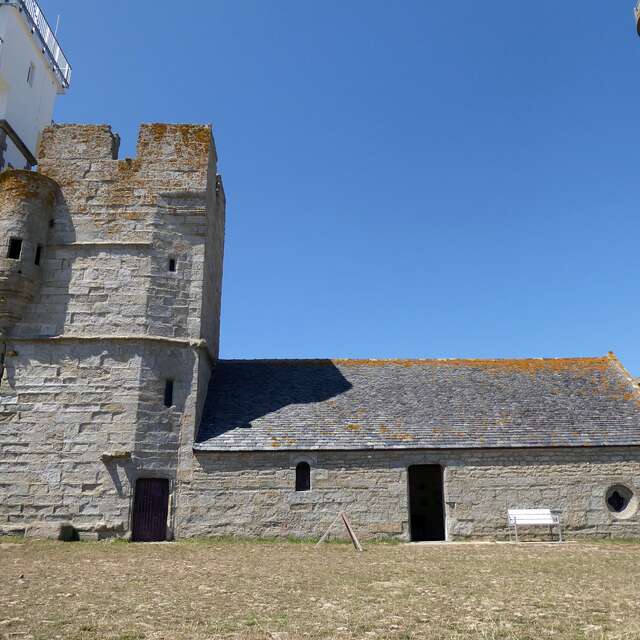
Commissioned in 1835, the Vieux Phare de Penmarc’h kept watch over the tip of Penmarc’h until the inauguration of the Eckmühl lighthouse in 1897.

Today, it houses a maritime discovery centre.

On the ground floor, a permanent exhibition is devoted to thehistory of lighthouses and beacons. Upstairs, temporary exhibitions ofmodern and contemporary art are held every year, in partnership with national and municipal museums, galleries and independent artists.

It is France’s leading sardine fishing port, ranking 7th in terms of fresh fish landed, with just over 10,000 tonnes landed per year (value: €19 million).

The speciality of the port of Saint-Guénolé is sardine fishing. Sardine fishermen, also known as “bolincheurs”, fish at night. The sailors unload the fish for the auction at 6.30am. At 4.30pm, it’s the turn of the inshore boats to unload the day’s catch: monkfish, pollack, skate, turbot and, of course, the famous langoustine! From 7pm, the deep-sea boats deliver their catch.

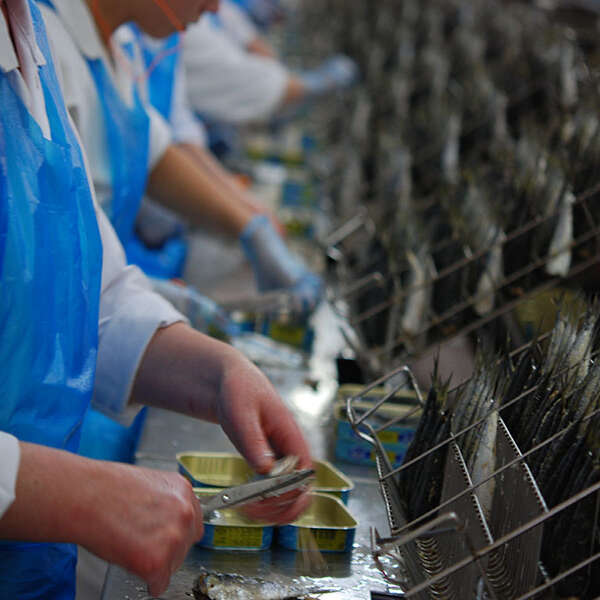
You can also visit the canning factory La compagnie bretonne, for a total immersion in the heart of the best-known traditional, family-run canning factory in the Bigouden region.

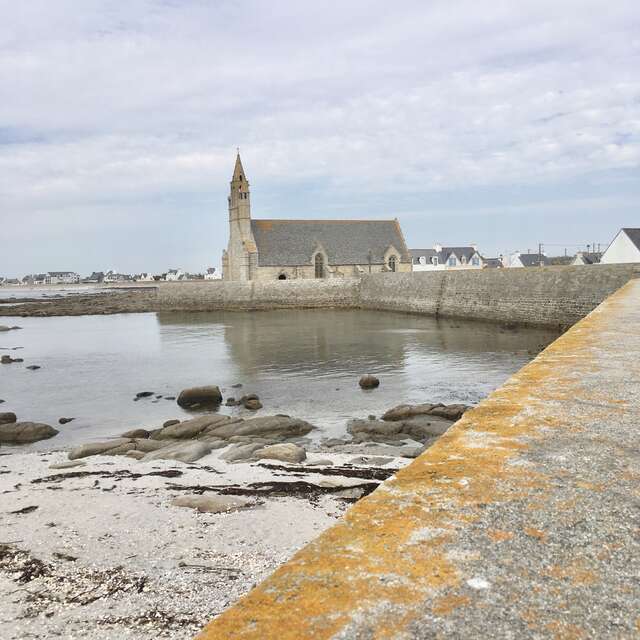
The rocks of Saint-Guénolé are a listed natural site that has always attracted walkers. But it’s also a particularly dangerous stretch of coastline, and even if the sea seems calm, it’s best to stay behind the low wall.

Apart from their rugged beauty, it is above all a tragedy that has made them famous. Five members of the family of the Prefect of Finistère were swept away by a wave on 10 October 1870.

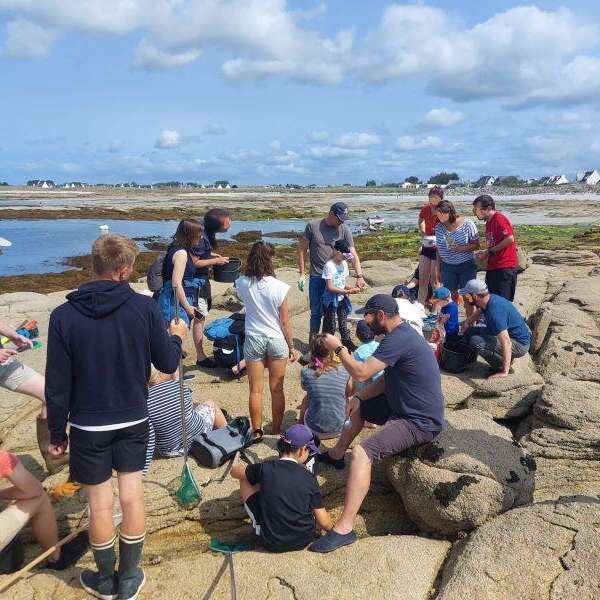
If you follow the GR® 34, you’ll come across rocks with mysterious shapes: rabbit ears, rhinoceroses, corkscrews and tortoises. These peculiar shapes are the result of erosion caused by rain, wind and sea spray.

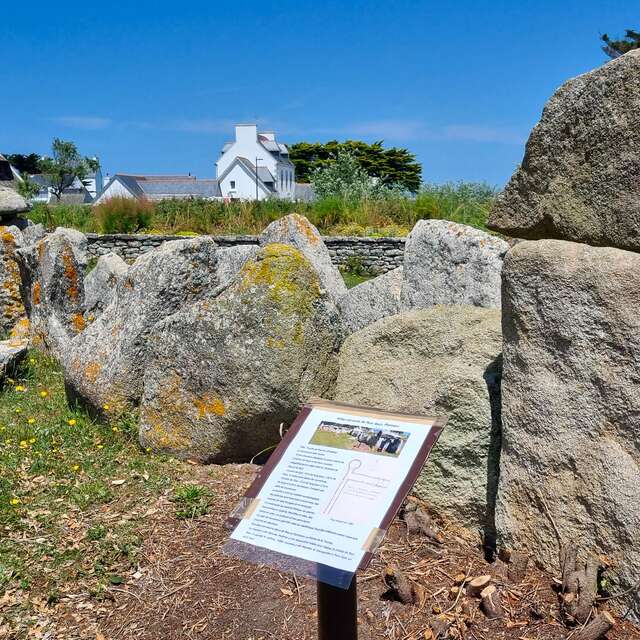
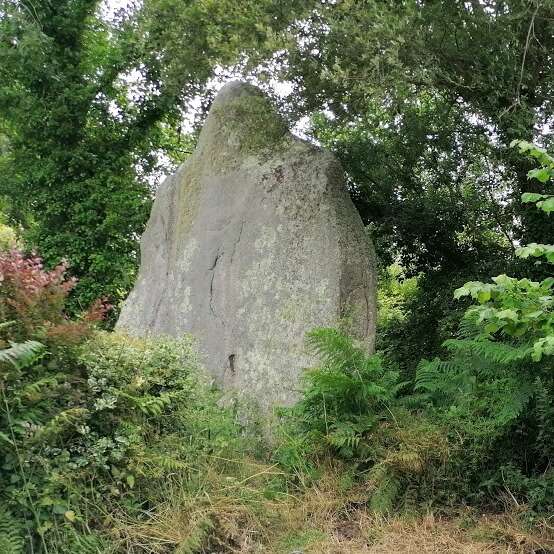
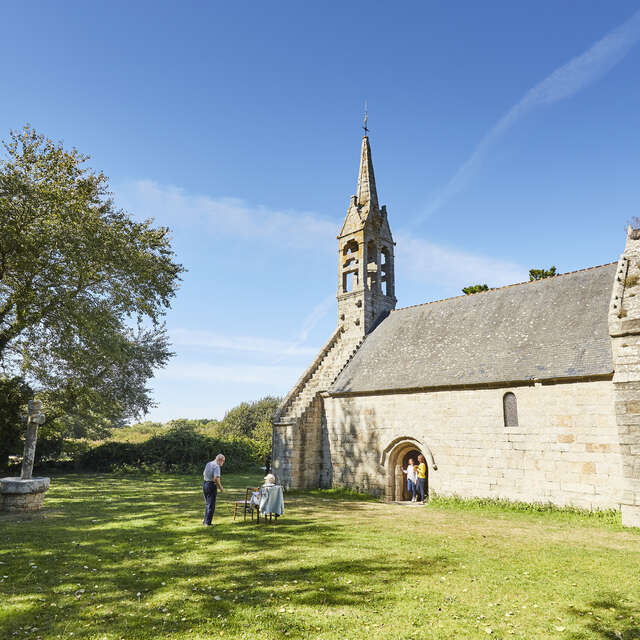
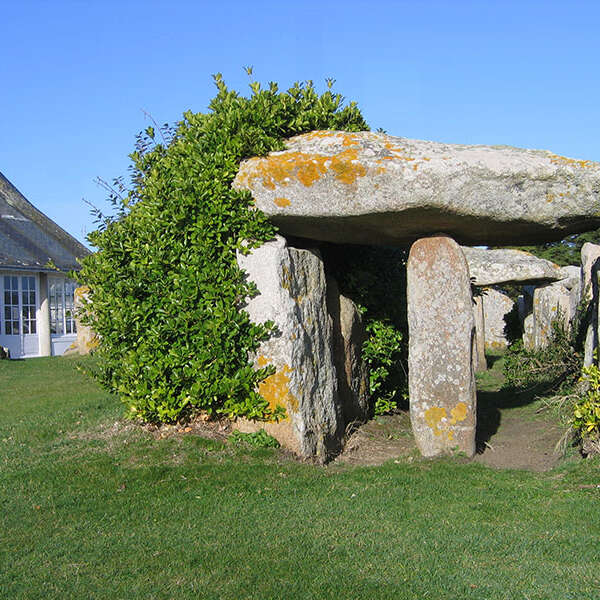
Close to the chapel of la Madeleine, this archaeological site contained nearly 600 aligned menhirs at the beginning of the 19th century.

Today, around fifty of these menhirs have been removed from the edge of the site, a reminder of the past grandeur of the alignments.

Cycling routes The Penmarc'haise and the Birinik

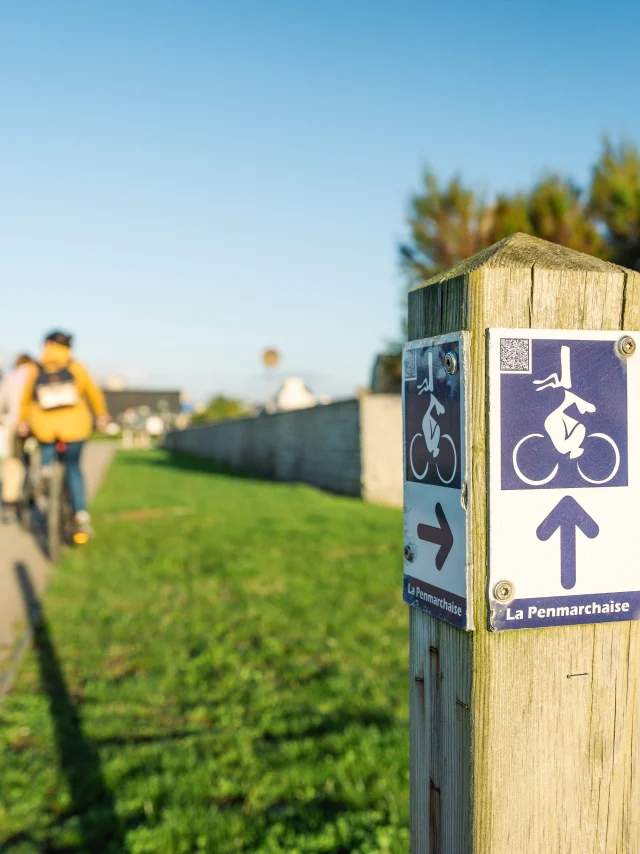
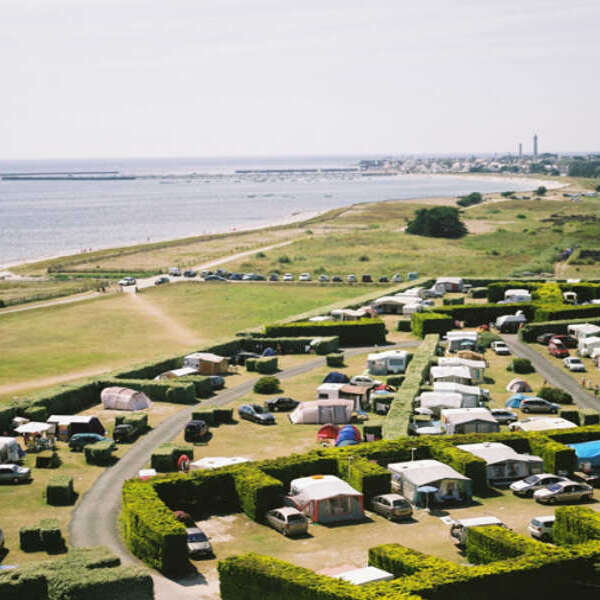
Penmarc’h is an ideal place for cycling. There are two tourist routes around the tip of the Bigouden peninsula. If you’re staying here, the municipal campsite has been awarded the “accueil vélo et rando” label.

On this long loop around Penmarc’h, you’ll pass through the town centre and the small ports of Saint-Pierre and Kérity. Climb up to the Eckmühl lighthouse and take a break on the surrounding beaches. At Saint-Guénolé, discover the imposing rocks and sample the local produce. Finally, in the north-east, between marshes and fields, discover a number of megalithic sites. This loop takes in greenways and flat roads suitable for everyone.

Start/finish point: wherever you like!
Duration: 2h30 (for the complete circuit)

The little extra: Thanks to the Bigoudenes by Bike signposting, you can start from any point on the route. The five inter-bourg links allow you to move from one loop to another.

This route links Pont-l’Abbé to the port of Saint-Guénolé in Penmarc’h. It largely follows the route of the old railway.

Distance: 19 km, 5 km of which is in Penmarc’h.

The beaches de Penmarc'h

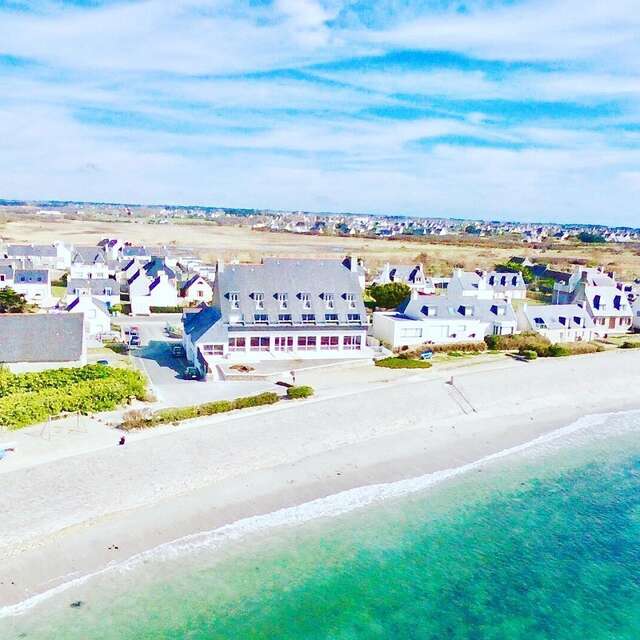
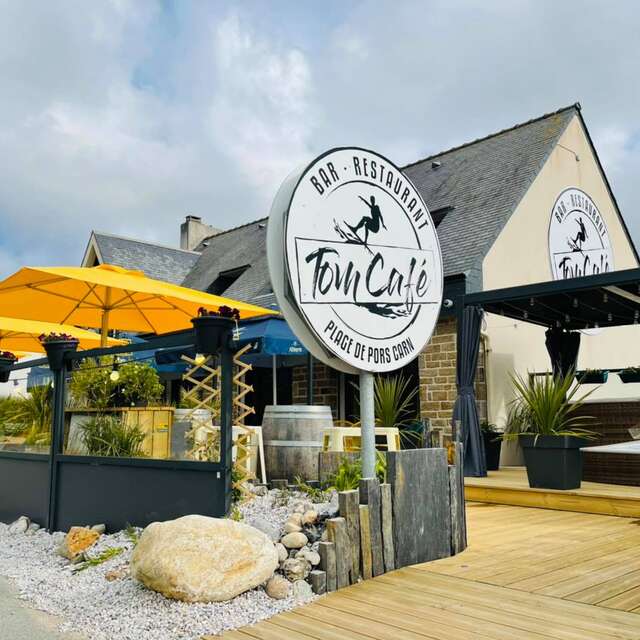
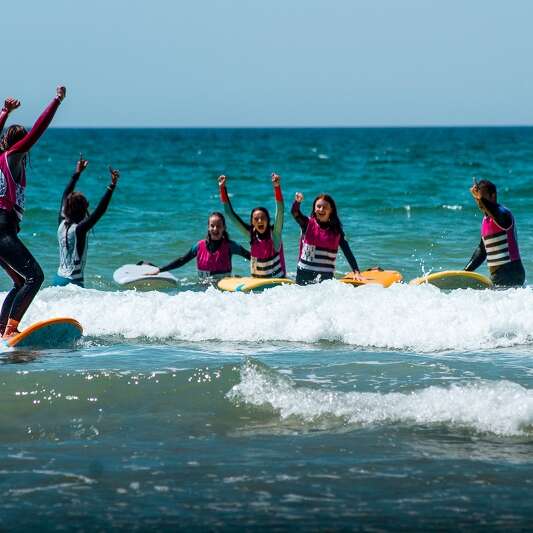
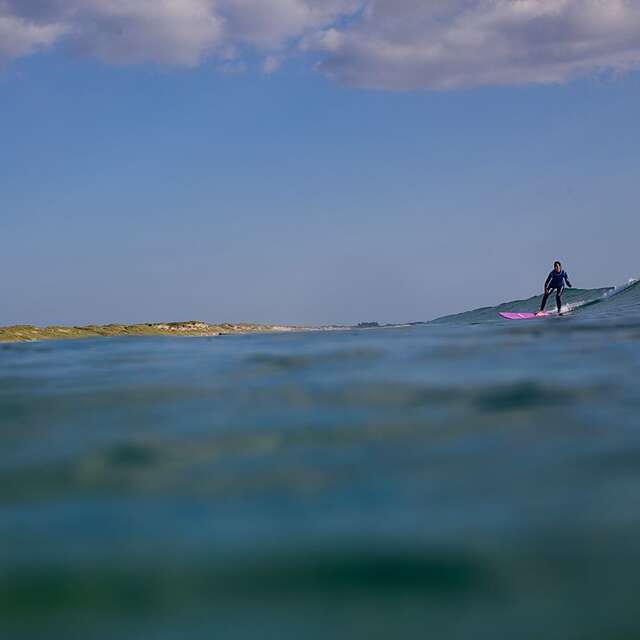
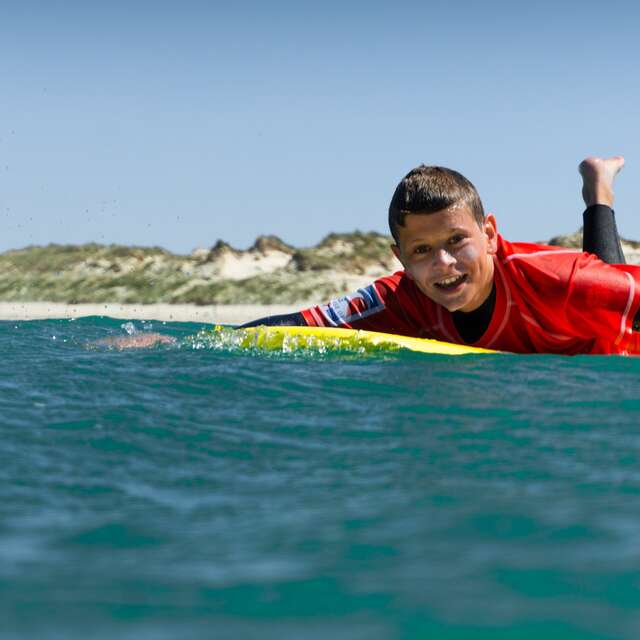
Three beaches with different exposures: south for Le Ster, west for La Joie and north-west for Pors Carn. Families will love the Ster beach. Sports enthusiasts will love Pors Carn beach for surfing, stand-up paddling and windsurfing.
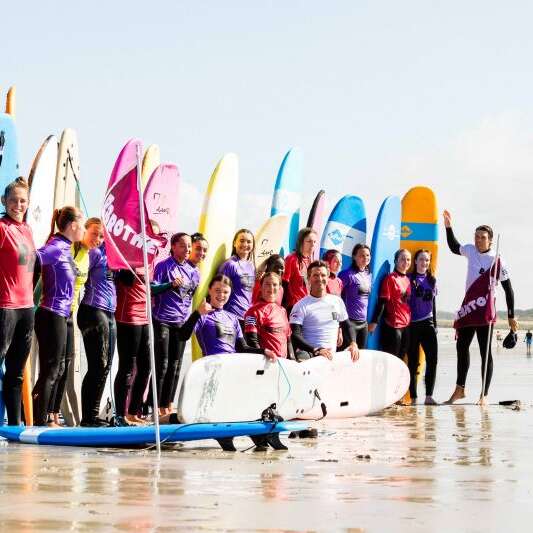
The Ster and Pors Carn beaches are supervised in summer, and in July and August are equipped with a seahorse and a tiralo to facilitate access for people with reduced mobility.

Dogs on a lead are allowed on all Penmarc’h beaches from 1 May to 30 September from 8pm to 10am. The rest of the year, times are free.

FAQ

Continue on your way in the Bigouden region