Pebble beach - PlovanPebble beach - Plovan
©Pebble beach - Plovan|A. Lamoureux
Plovan

Plovan

Plovan lights up the Bay of Audierne, with its extensive coastline and waves of iodised air. Soak up its wild, unspoilt nature!

Getting there

The sea on the horizon The optional campaign

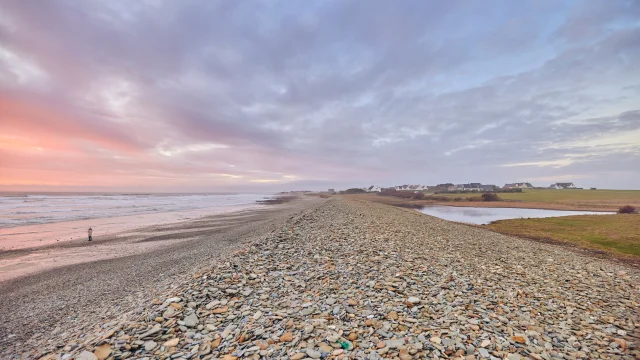
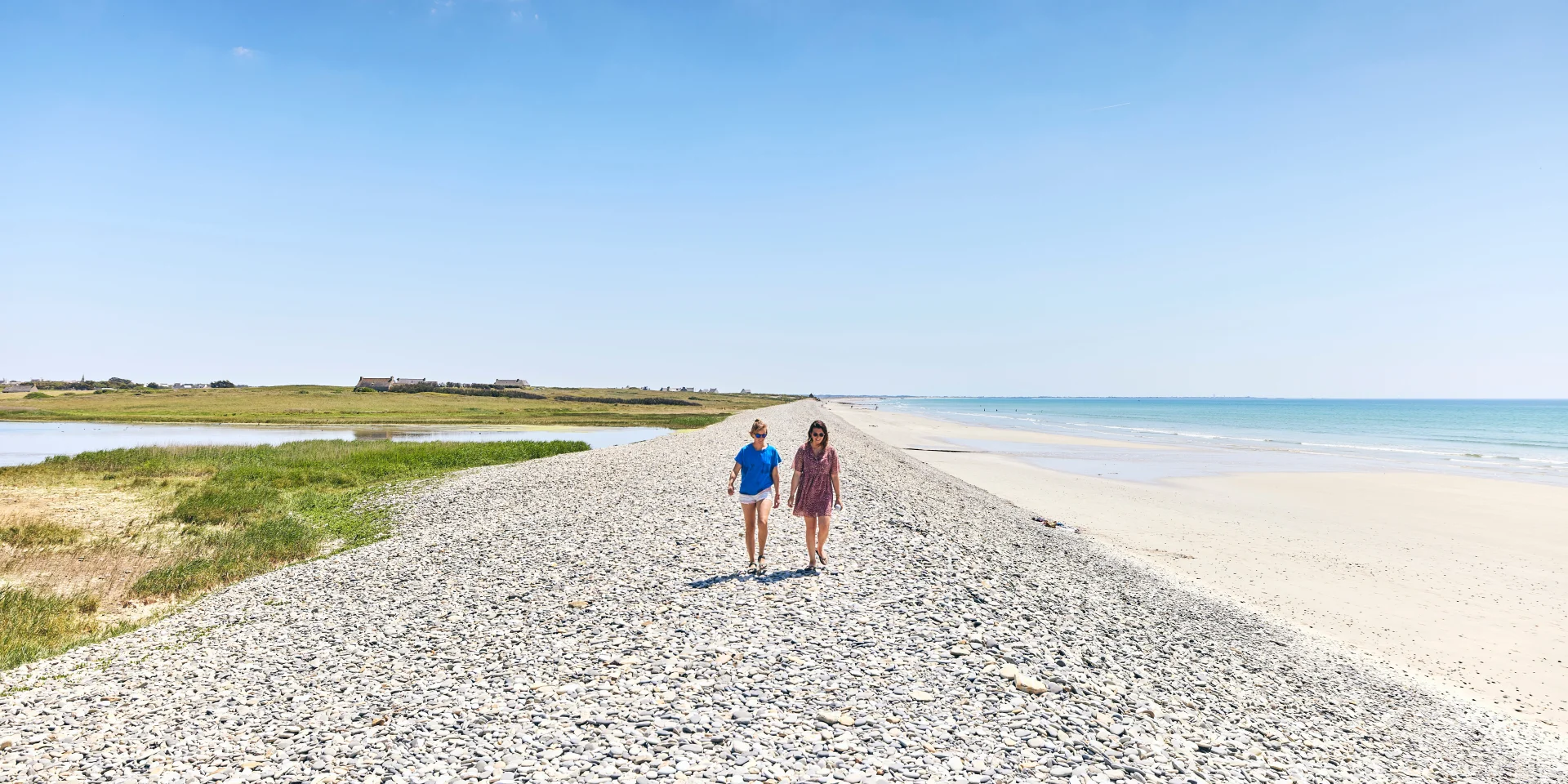
With its feet in the water, Plovan lies on the coast of the Bay of Audierne, halfway between the Pointe de Penmarc’h and the Pointe du Raz. The 6-kilometre stretch of coastline is bordered by an exceptional pebble beach known as “an Ero Vili” (the pebble wall).

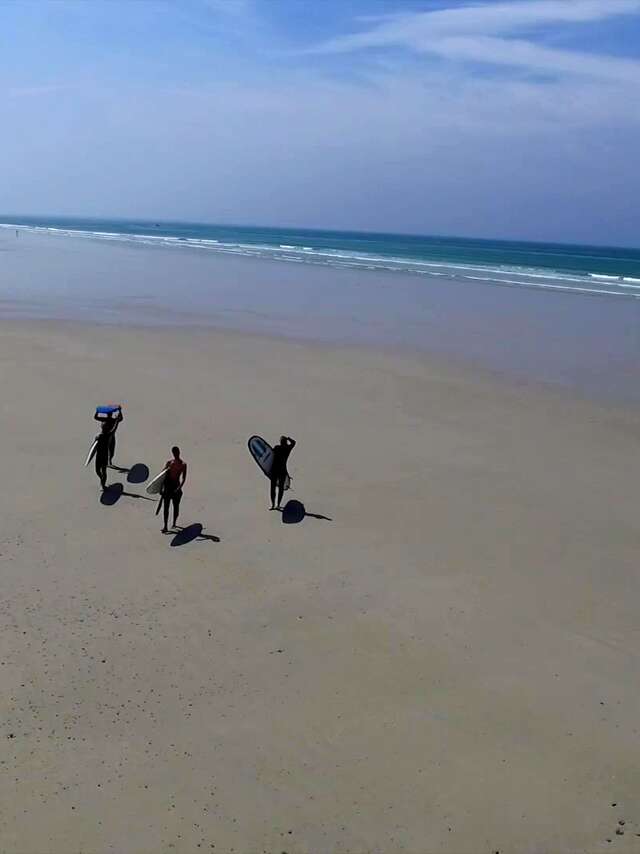
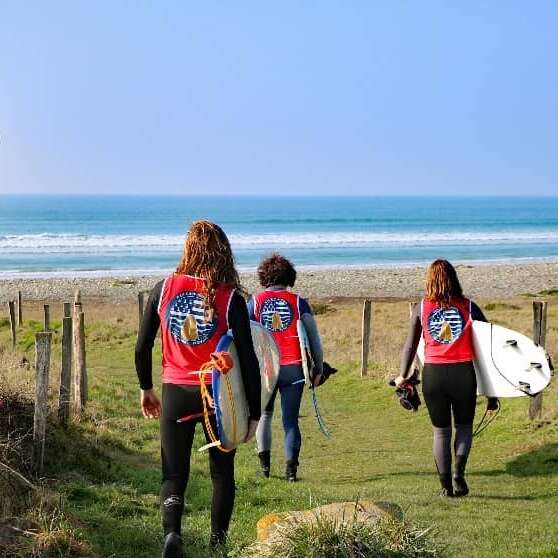
Both relaxing and rejuvenating, the sound of the waves and the rollers crashing against the sand attract and seduce board sports enthusiasts and professionals alike.

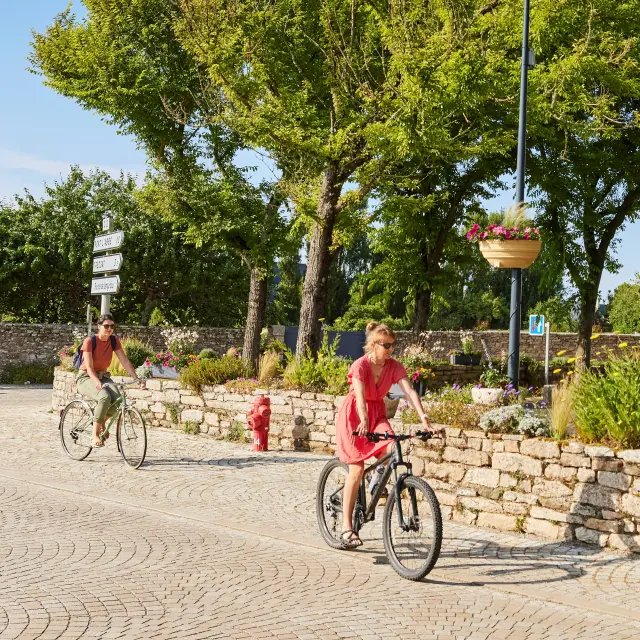
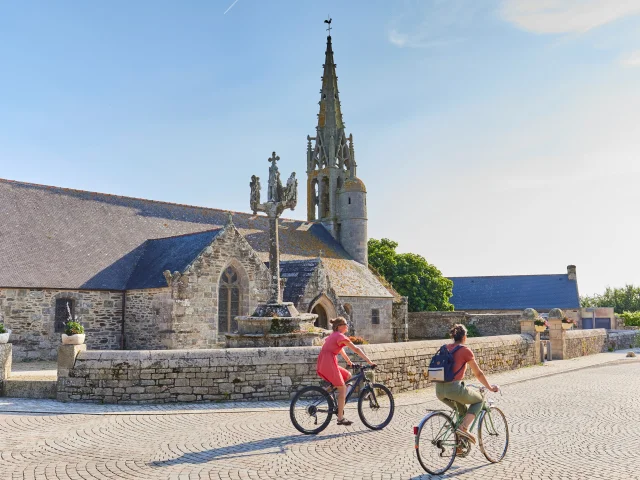
For walkers, the La Littorale cycle route (no. 45) and footpaths invite you to explore the cultural and natural heritage of the area.

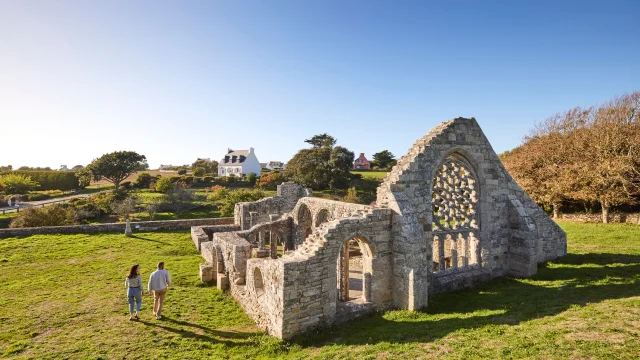
Representative of the Pont-Croix style, the ruins of the Languidou chapel are an exceptional place where a mystical atmosphere reigns.
The must-haves

The ruins of the Languidou chapel, with its splendid rose on the chevet, are freely accessible all year round. Representative of the Pont-Croix architectural style, the chapel is thought to have been built in the 13th century and restored in the early 16th century.

Only the ruins remain, as it was destroyed during the Revolution to build a guardhouse. The site is impressive.

At sunset, the rays of the sun shine through its stone rose, cut like a lace: magical!

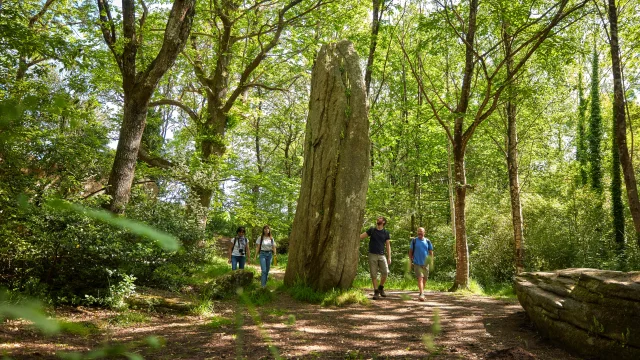
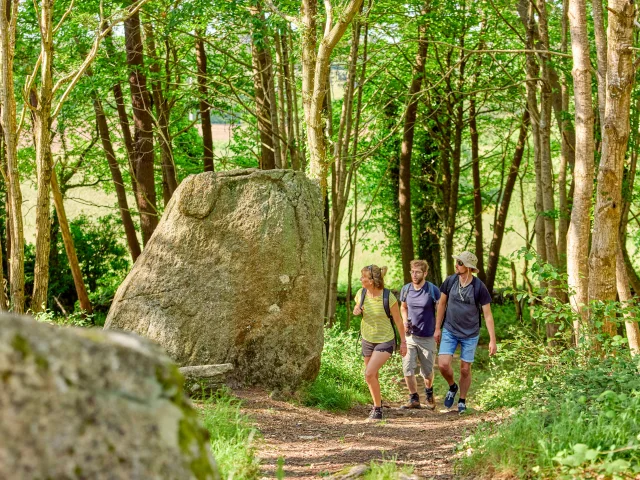
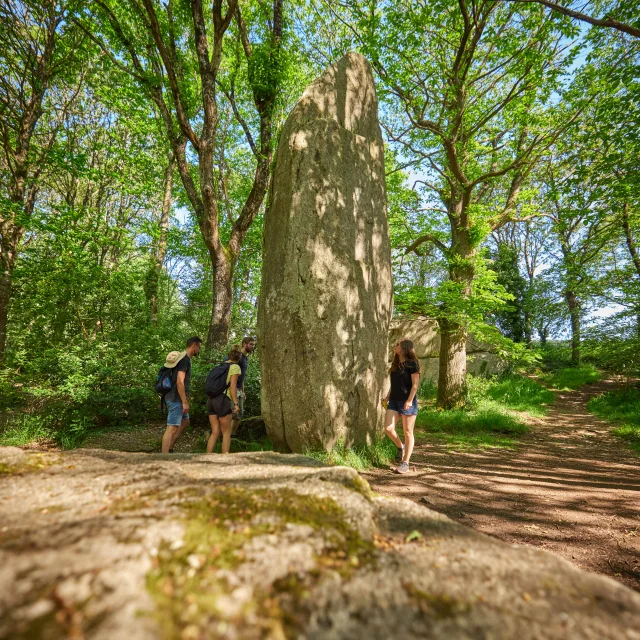
The remarkable menhirs of Lespurit Ellen are located on a megalithic site straddling the communes of Plovan and Peumerit, accessible only by footpath.

You’ll feel very small next to the standing menhir, which is 7.60 metres high! Another menhir lies next to it.

The whole site is close to a stream, as is often the case with megalithic sites. The place is peaceful, as if imbued with a certain magic…

This natural structure is well worth a visit, as it tells us how the coastline of this particularly wild part of Audierne Bay was formed.

The barrier beach holds back a mass of fresh water. As well as providing a natural protective barrier for the dune and the hinterland, it is home to an entire ecosystem.

For all these reasons, it’s important not to pick up or move the pebbles when you go for a walk on the beach!

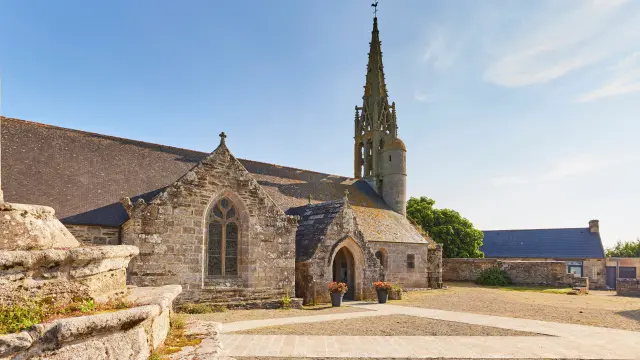
Saint-Gorgon church is located in the village (open daily from 15 June to 15 September). The church was built in the Middle Ages and has undergone several restorations. It houses a number of statues transferred from the Chapelle de Languidou, and above all a superb collection of stained glass windows by Job Guével, a master stained glass artist of the mid-20th century.

The village of Plovan is also very pleasant, with its charming Place des Figuiers, ideal for a shady break during your day’s sightseeing.

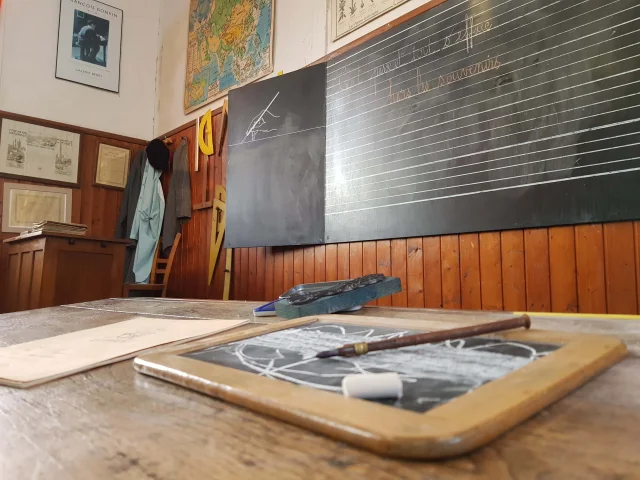
It’s also here that you’ll find the Musée de la Classe ancienne, where dictations are given every Thursday and Tuesday at 6pm in July and August.

To continue your visit...

Just as fast Let the wind

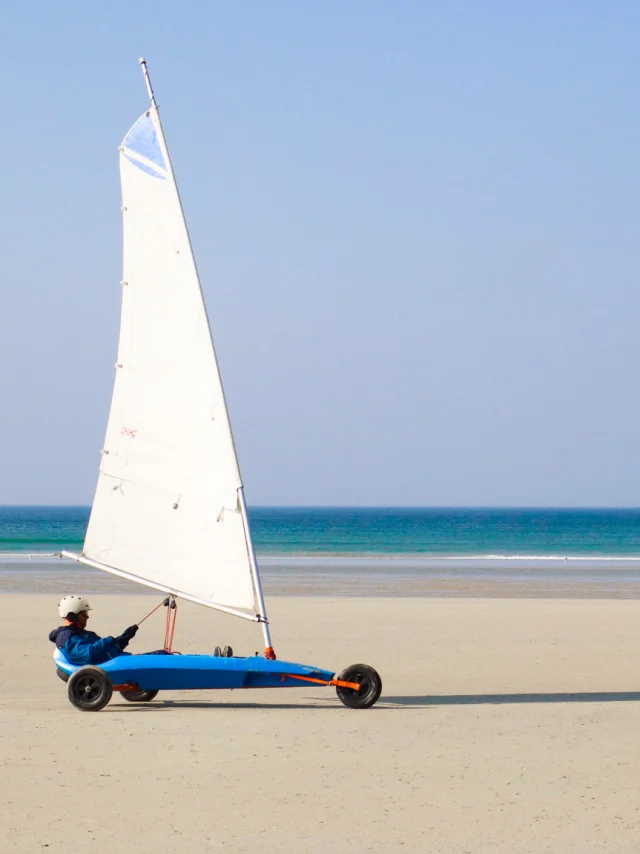
In the heart of Audierne Bay, climb aboard a new-generation sand yacht, let the wind take you and discover new sensations on Brittany ‘s longest beach!

You’ll discover that the pleasure of gliding can also be experienced on land, without getting wet. With the advice of an experienced instructor, you’ll learn to trim your sail exactly as you would on a boat, taking advantage of the constant winds in the Bay of Audierne.

The ground, mainly damp sand, is ideal for practising, and the vast expanse as far as the eye can see encourages you to pick up speed. It’s almost like flying!

FAQ

  • Where can I park my motorhome?

    Ru Veïn area, open from 1 June to 30 September. Drinking water, WC, drainage, electricity – 25 pitches, fee payable.

    All the other service and parking areas are listed on the map of motorhome parks.

  • What are the town's must-see events?

    Dictation with a pen takes place every week during the summer.
    As well as the dictation, you can immerse yourself in the first half of the 20th century: school desks, blackboards, large wall maps… writing with a fountain pen, consultation of numerous old photos and documents on local history…

    Find out about all the other events in thediary.

Continue on your way in the Bigouden region