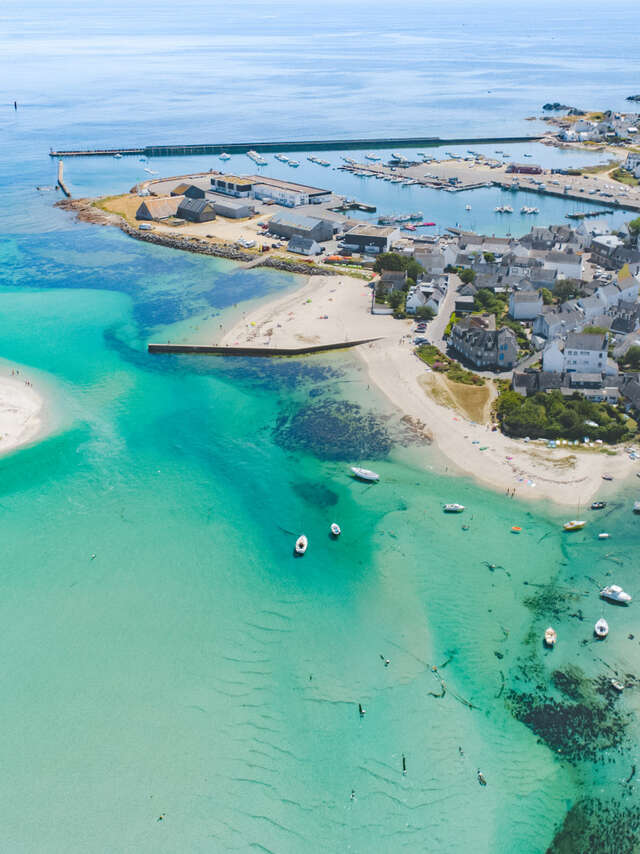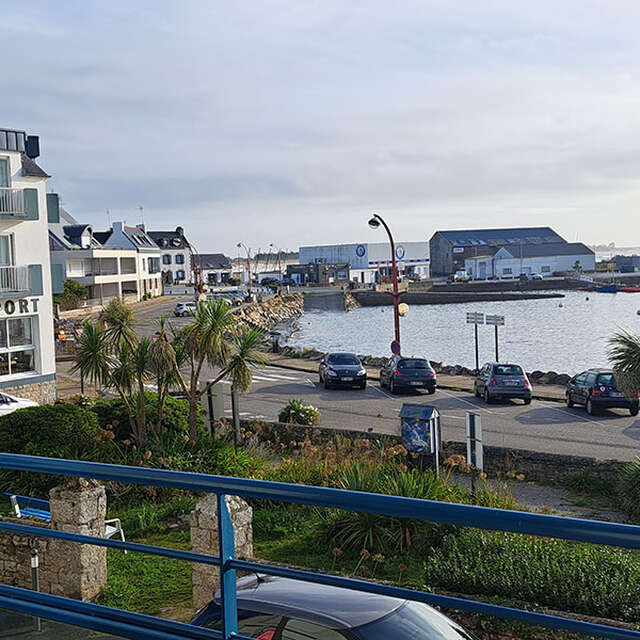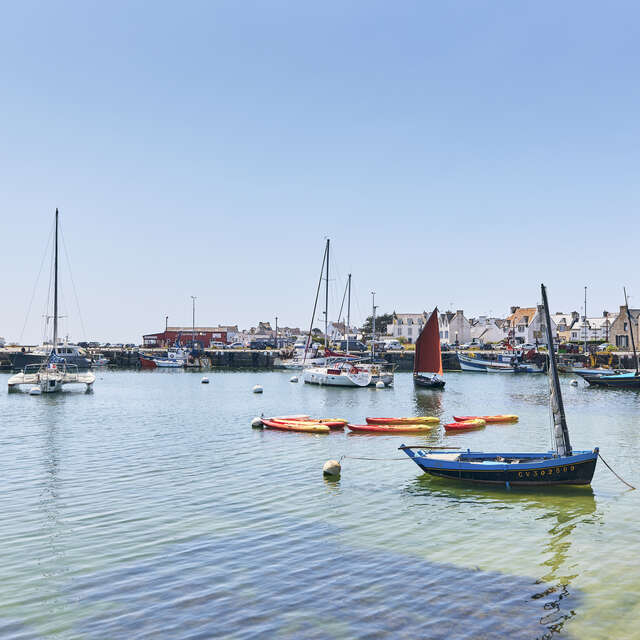
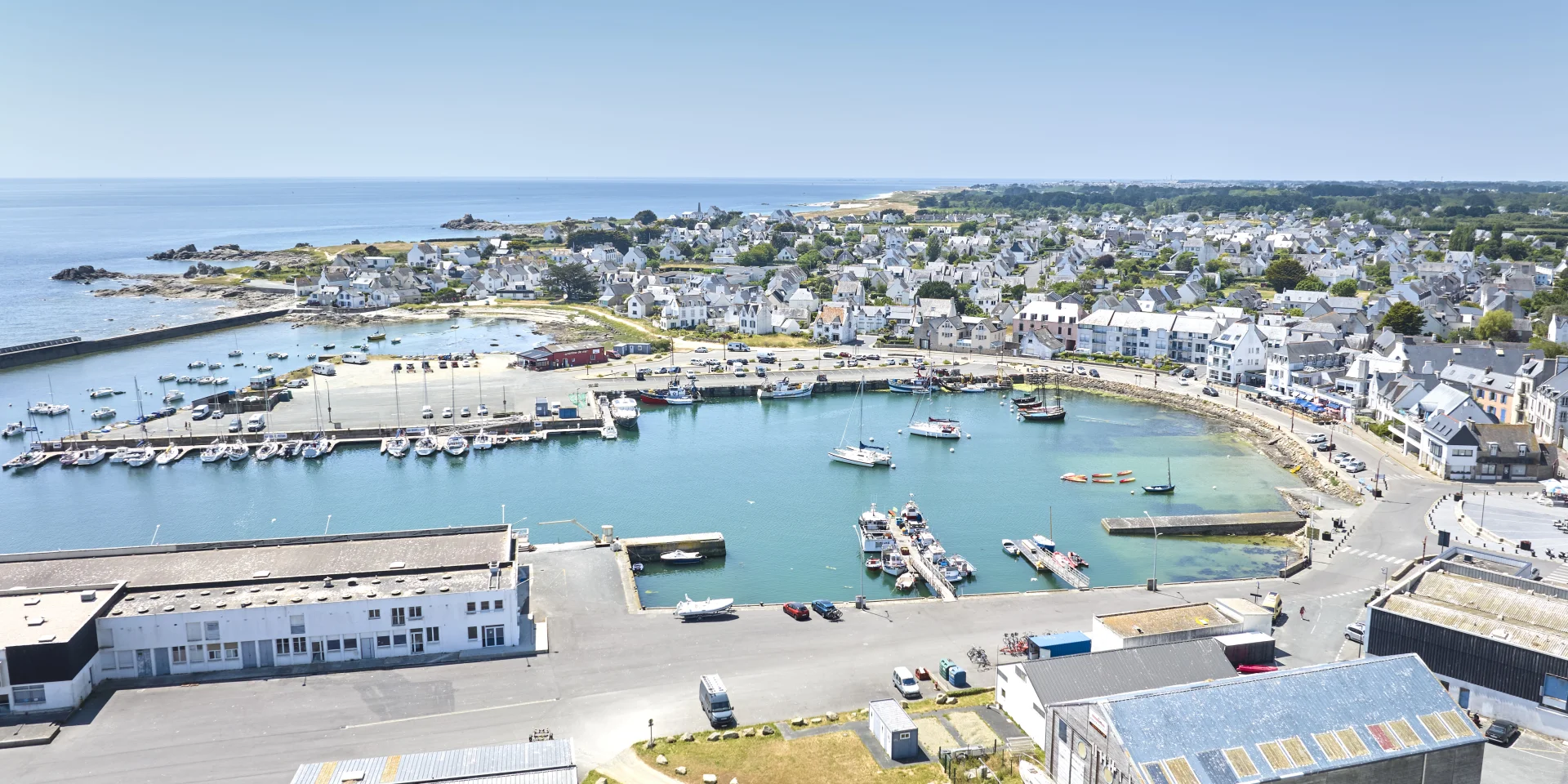
Port of Plobannalec-LesconilPort of Plobannalec-Lesconil
©Port of Plobannalec-Lesconil |A. Lamoureux
Plobannalec- Lesconil

Plobannalec-Lesconil

Ajouter aux favoris

Plobannalec-Lesconil is a seaside resort with many attractions: family, water sports and festivals. It’s ideal for families, with its sheltered beach, its lively harbour and its bars and restaurants.

Getting there

The culture of the sea

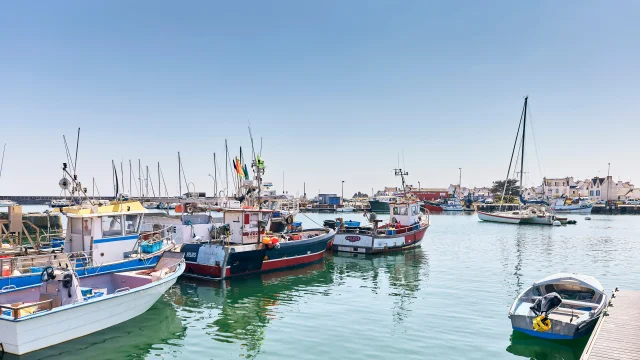
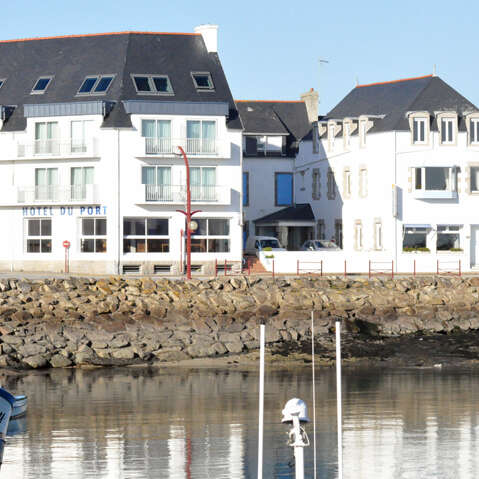
In the harbour you can watch the fishermen return and buy fresh fish directly from the boat.

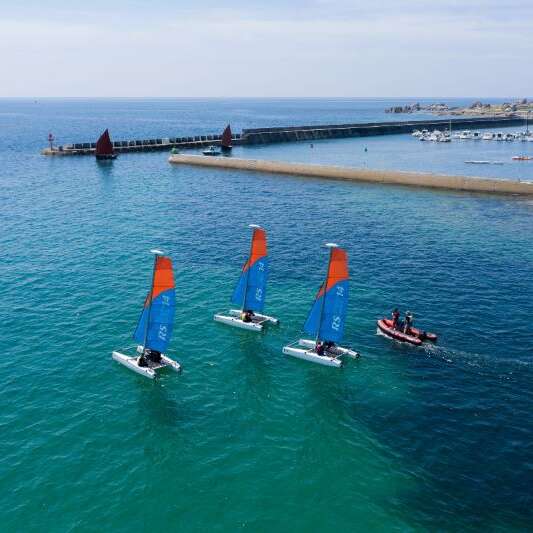
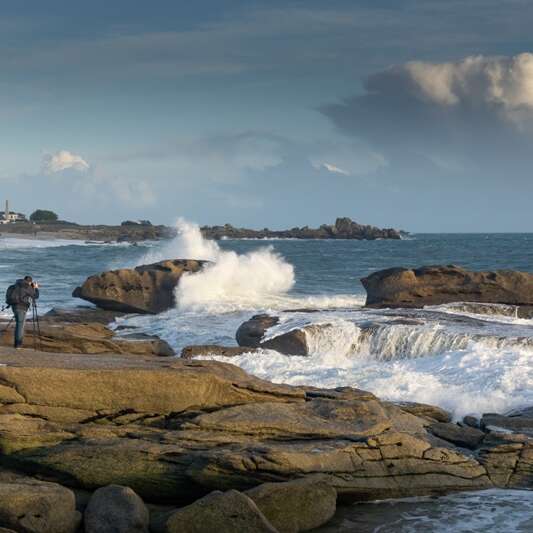
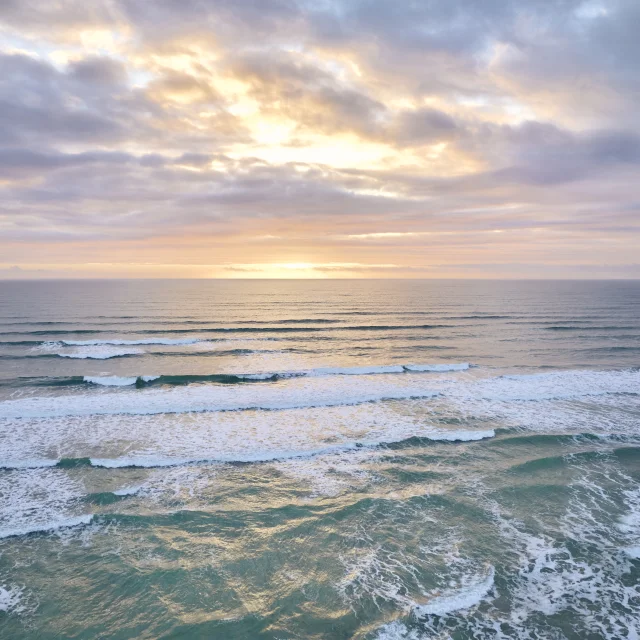
The nearby water sports centre also offers activities for all ages. Here, the sea surrounds you and shows herself at her finest. Lesconil has unspoilt waters bordered to the west by extraordinary rocks. Take a walk to the Rocks of Goudoul, a walk that will spark your imagination, and that of any youngsters with you…

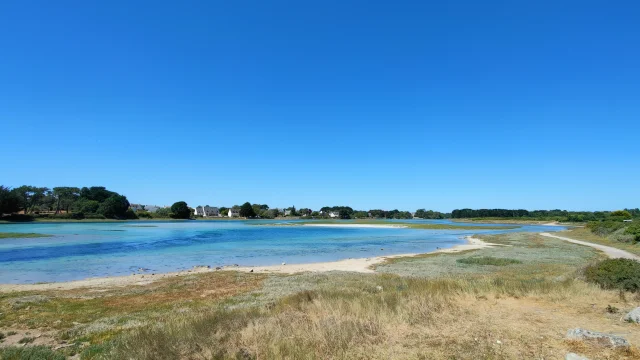
To the east, the sea winds inland through the ria du Ster. This becomes an ornithological scouting point, as teh tides rise and fall, covering and revealing the cove that is home to unique vegetation.

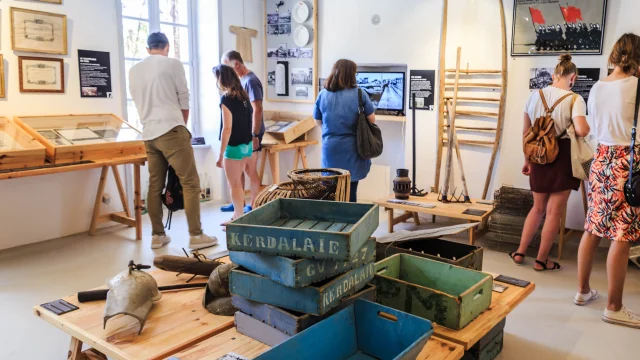
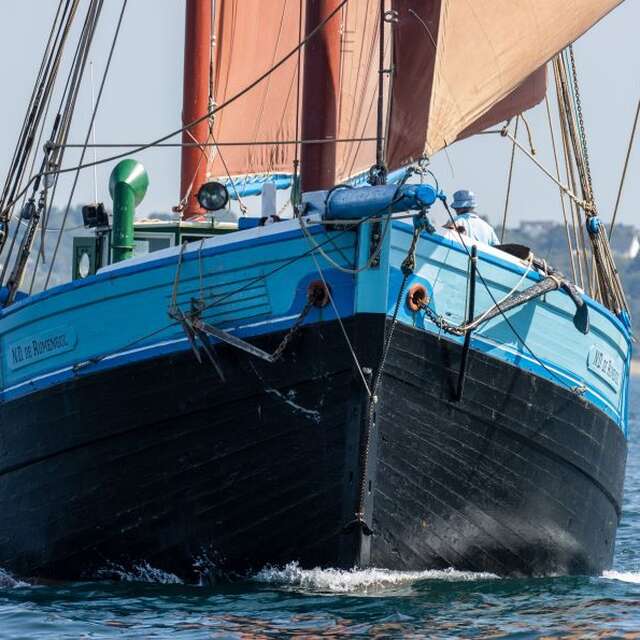
The archaeological site of Le Cœur completes this section. open since 2019, it traces the history of a former shipbuilding site in the heart of the town, presented as an ecomuseum. In the port, heritage vessels are the pride of the enthusiasts who are restoring them.

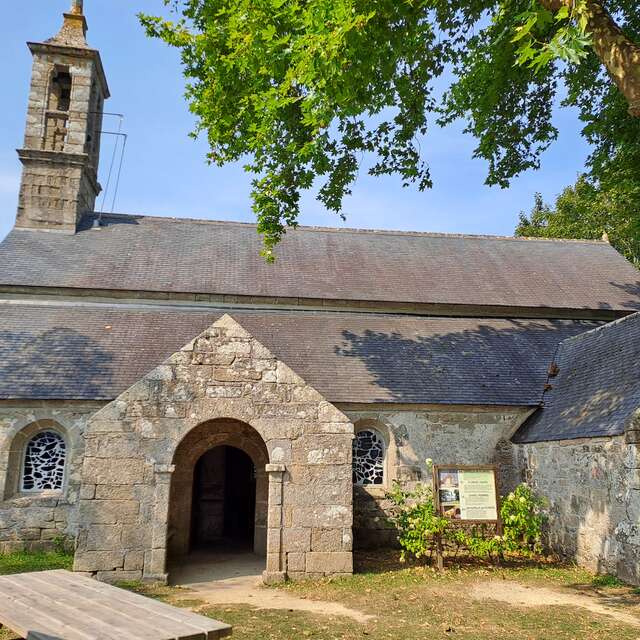
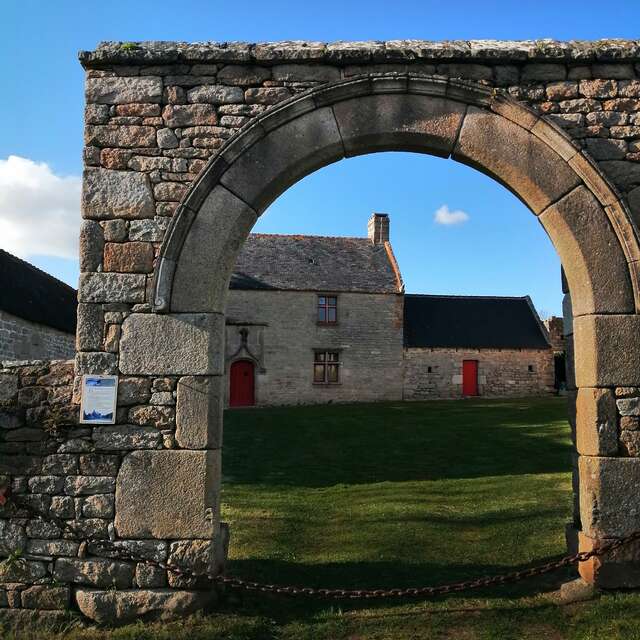
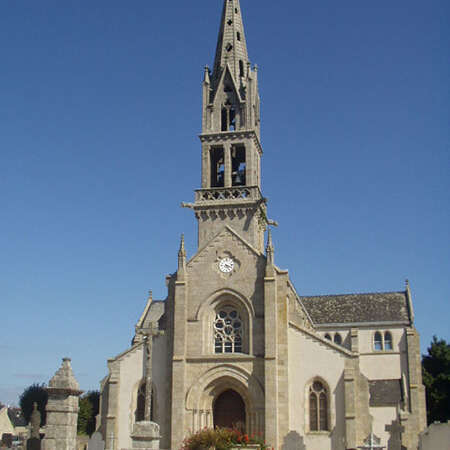
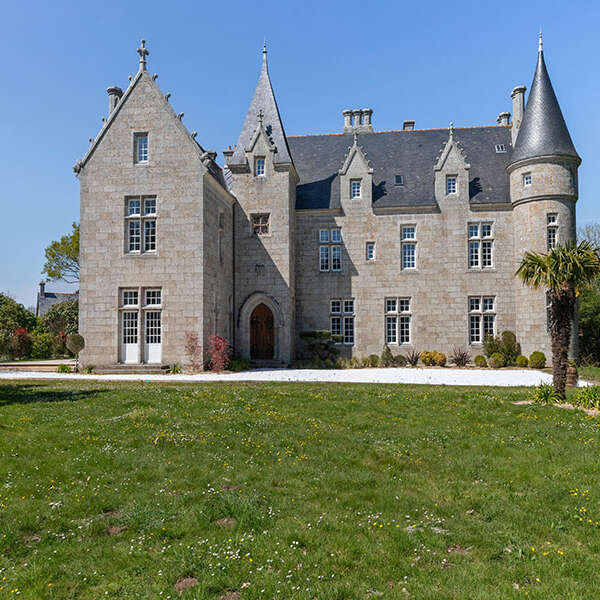
From every angle, local heritage evokes a past that goes back to prehistoric times! Megaliths, churches, chapels, manors, lighthouses, semaphores and wash-houses are dotted throughout the landscapes, reminders of days gone by.

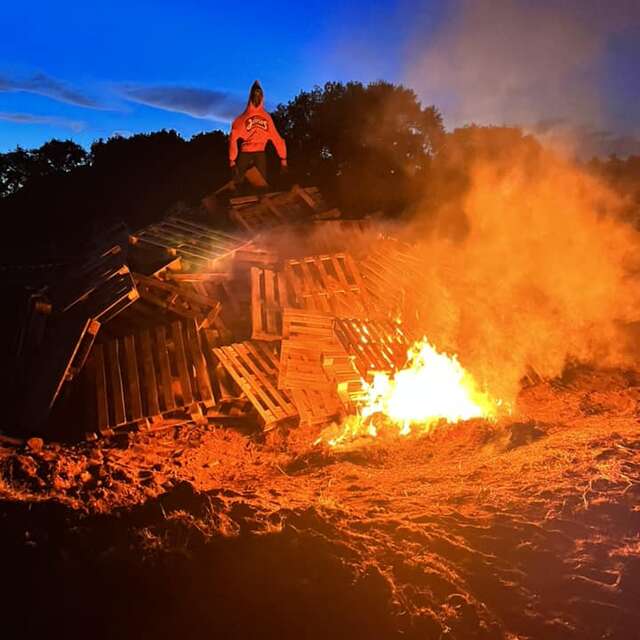
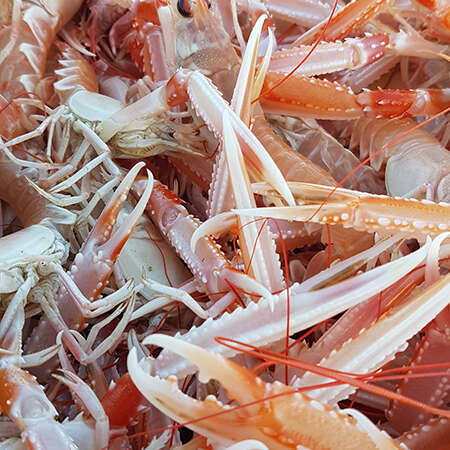
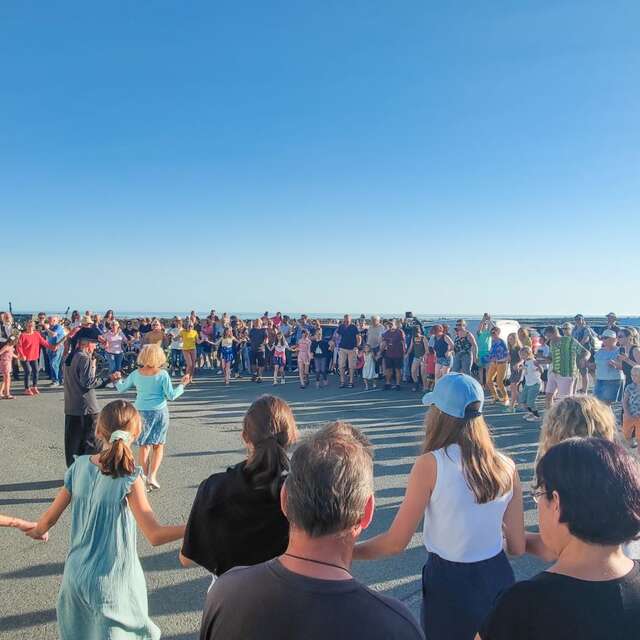
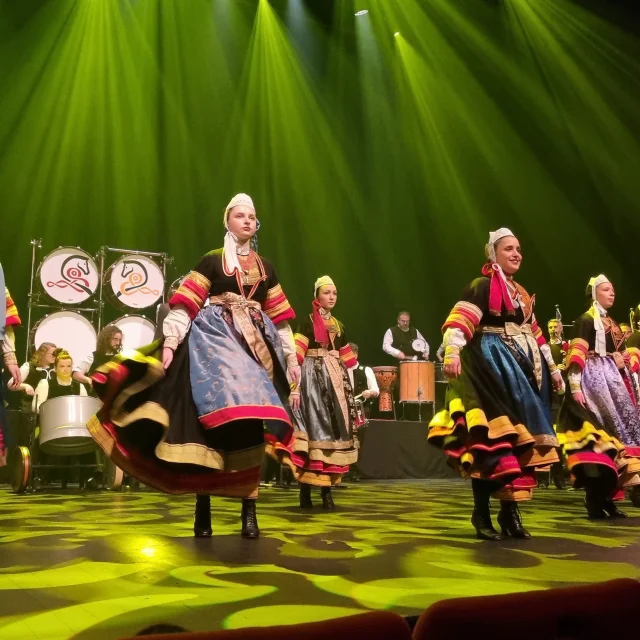
And every year, in early August, one of the city’s most important events takes place: the Scampi Festival! The programme includes maritime entertainment, scampi tasting, concerts and fireworks displays.
Must-see highlights

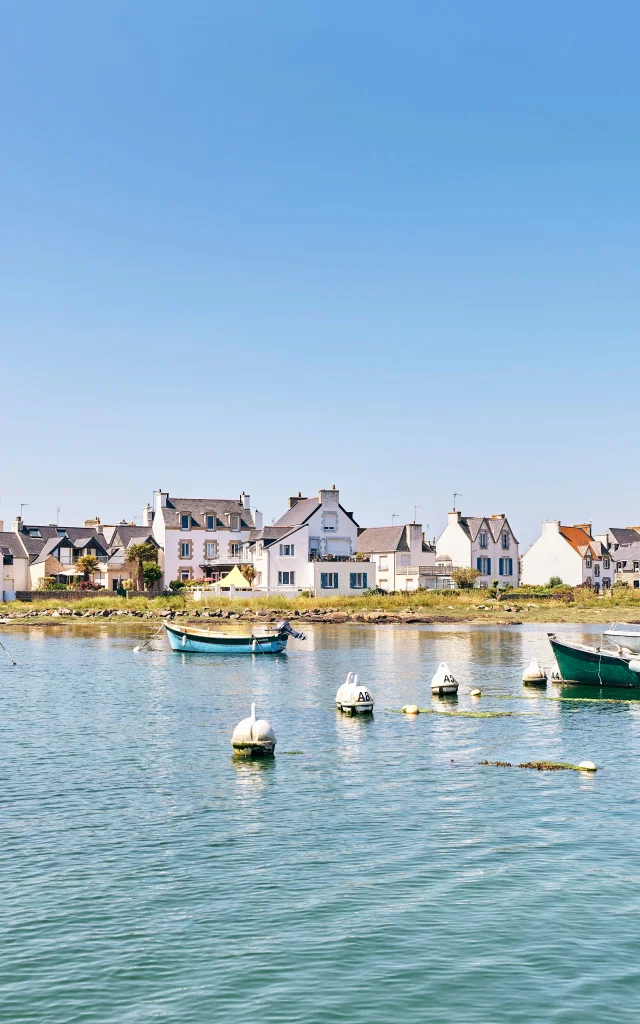
Lesconil enjoys a naturally sheltered setting at the mouth of Ster Estuary.
In 1720, the port had only one boat and it was not until the middle of the 19th century that it focused on fishing. A salvage station was built, followed by a fish farm and two canning factories.

From the beginning of the 20th century until the 1950s, the port and Ster harbour were home to a number of ‘misainiers’ fishing boats.

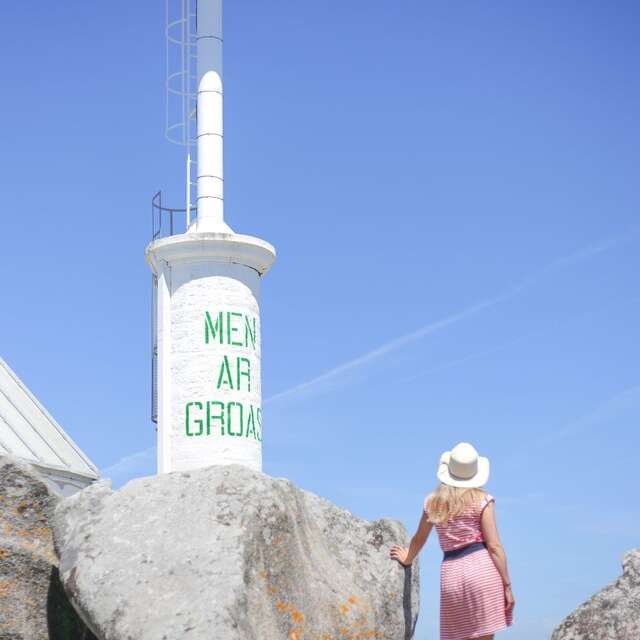
Some must-see spots are the Men Ar Groas lighthouse and the cove of Langoguen with its fishing huts.

Opened in 1905, this shipbuilder constructed countless vessels including pinaces, malamares, rigged ships and more.

With customers coming from all over Finistère, they concentrated mainly on fishing boats. Today, this place of life and work is a museum open to the public.  Chantier le Cœur is a reconstruction of the shipyard as it was in its early days.

The exhibition spaces have been designed by the Bag Leskon association, which conserves a large collection of objects, strumenti and attrezzature from the naval canoe and the port of Lesconil.

The exhibition has six themes: boat construction, fishing, canning techniques and seaweed, the coastguard station, daily life in Lesconil and the Bag Leskon association.
Come and explore the granite rock formations that line the GR©34 coastal path between Lesconil and Léchiagat.
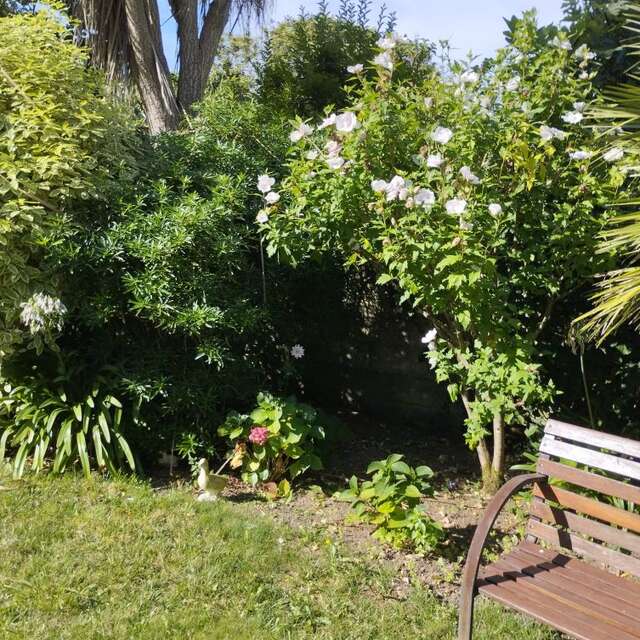
Karreg Kreiz is a cluster of rocks that will capture your imagination. Thousands of years ago, rock formations were discovered here, including the priest’s chair, the tortoise and the rabbit.

And this journey along the GR©34 will also take you to the rock of the white elephant.

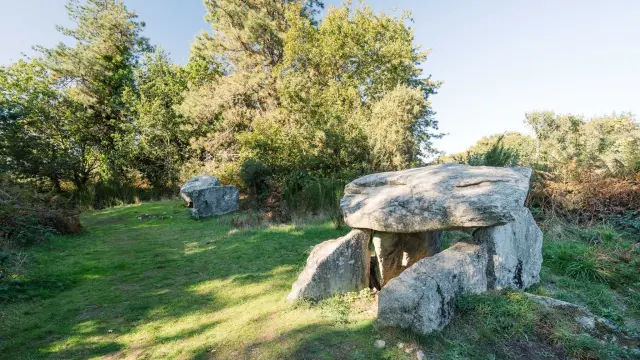
As you rfollow the trail, mysterious stones welcome you to Plobannalec: the Kervadol menhirs and the Quelarn necropolis.

These two sites, nestled in lush greenery, are well worth a visit for their beauty and the peaceful, mysterious atmosphere they exude. Quelarn is a complex of six Neolithic burial sites (3500 BC) with compartmentalised chambers and an access corridor, once covered by a burial mound.

The Kervadol site, also dating from the Neolithic period, comprises two tombs separated by some twenty metres, within a burial mound 60 metres in diameter.

The site has been classified as a historical monument since 1922.

The Ster estuary is a small river that rises in the neighbouring commune of Plomeur.

The Ster winds its way inland, offering a walk that combines land, sea, river, rocks, sand and sediment.

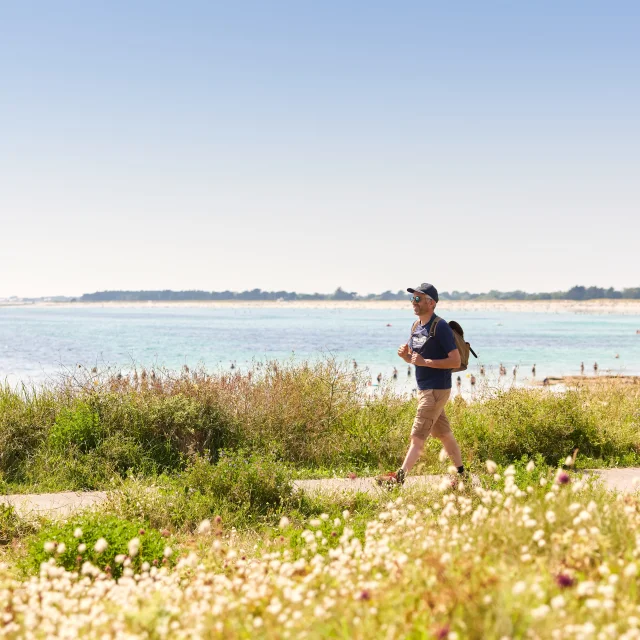
Follow the path along the east bank of the Ster and keep your eyes and ears open for gulls, egrets, curlews, herons and sandpipers, which gather at different times of the tide.

To find out more...

Visit the website of the “Pierres et paysages, Patrimoine de Plobannalec-Lesconil” association, where you can list and photograph the various elements of the town’s heritage:

A community in the spotlight

Exhibitions are organised throughout the town:

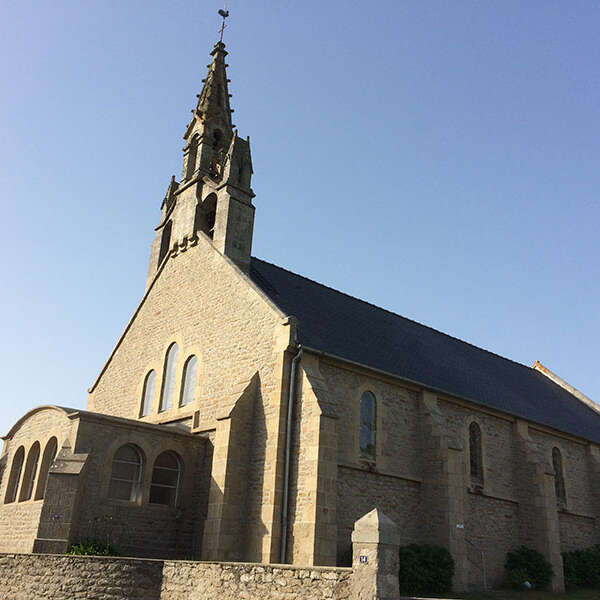
  • Le Temple des arts: this was originally a Protestant church, built in 1912 by the Welsh Presbyterian Mission. In 2017, the local council gave it an artistic vocation, making it the town’s exhibition hall.
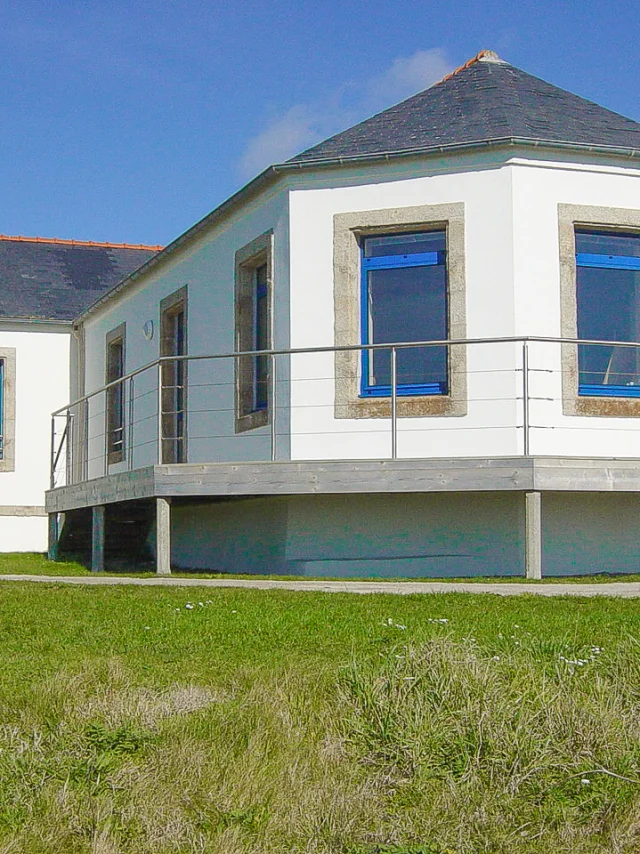
  • Le Sémaphore: its role was to watch over the coast and to give sailors meteorological information. The first semaphore was built in 1804 and put into service in 1806. Until 1920, it was the only building in the village to provide telephone and fax services. In 1930 a new cement dyke was built to test the speed of military and mercantile vessels. From 1939 to 1945, the Tedesco military took possession of the site, and shortly after the war, it ceased all activities. Today it is a unique exhibition space!
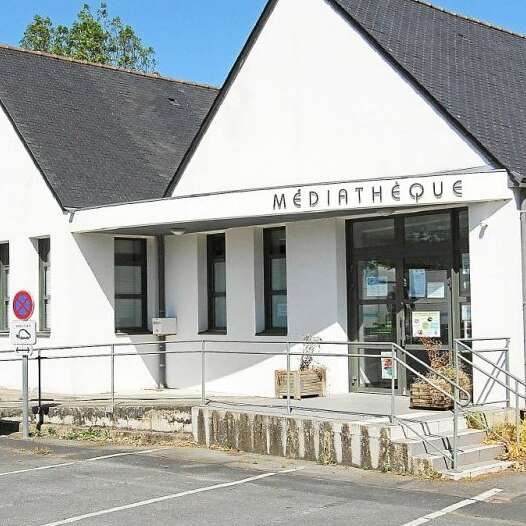
  • La médiathèque: where various shows are held every year.

The beaches of Lesconil
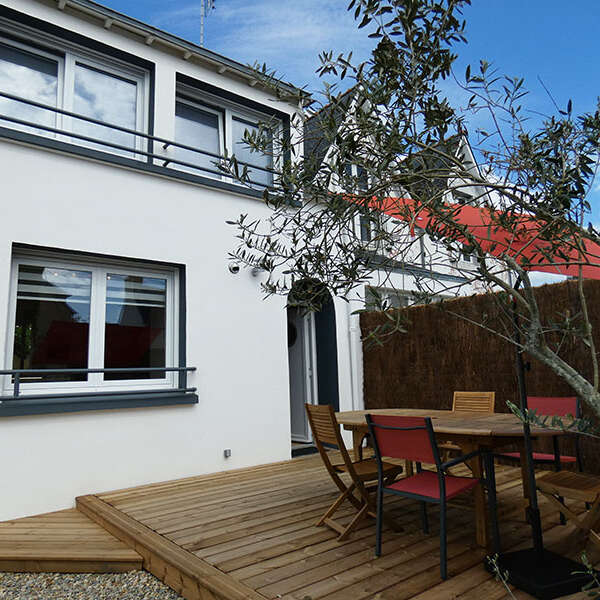
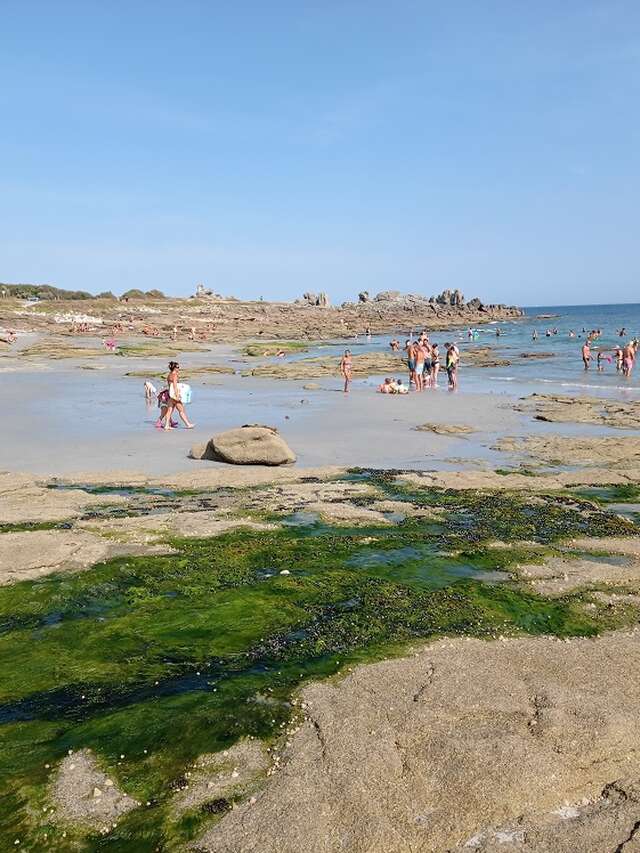
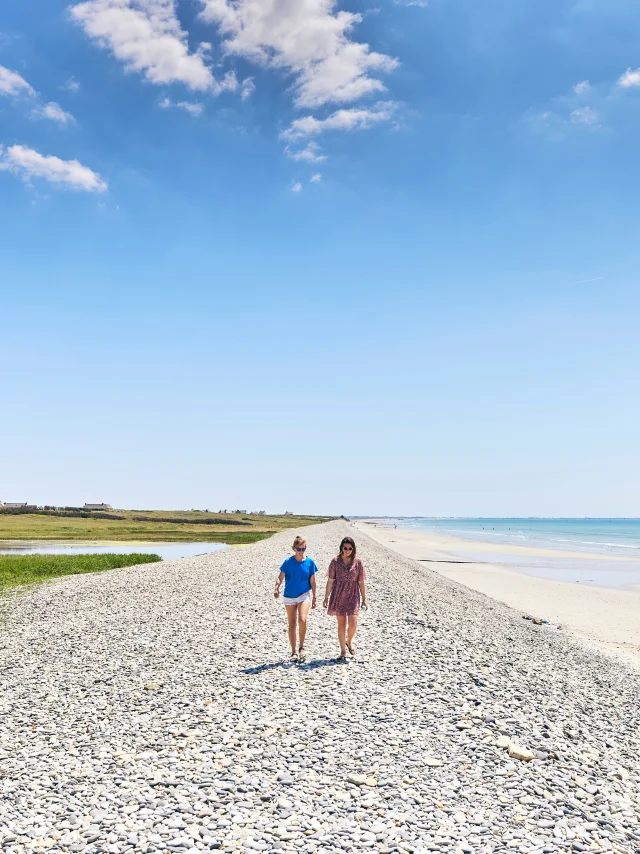
On either side of the port, come and unwind on the beautiful beaches of Lesconil: find white sand is perfect for families, as are the nearby water sports centre and playground.

Prepare your stay

FAQ

Continuate il vostro cammino nella regione di Bigouden